This is the best prospect of ending Israel’s war in Gaza since it began. But a long-term solution remains distant
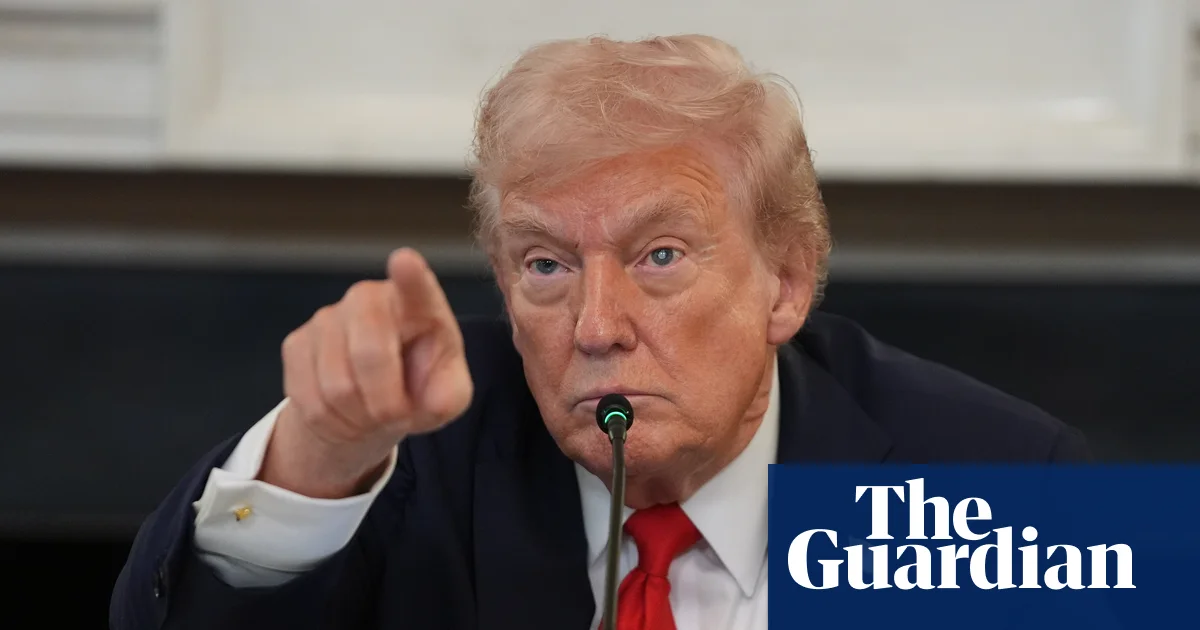
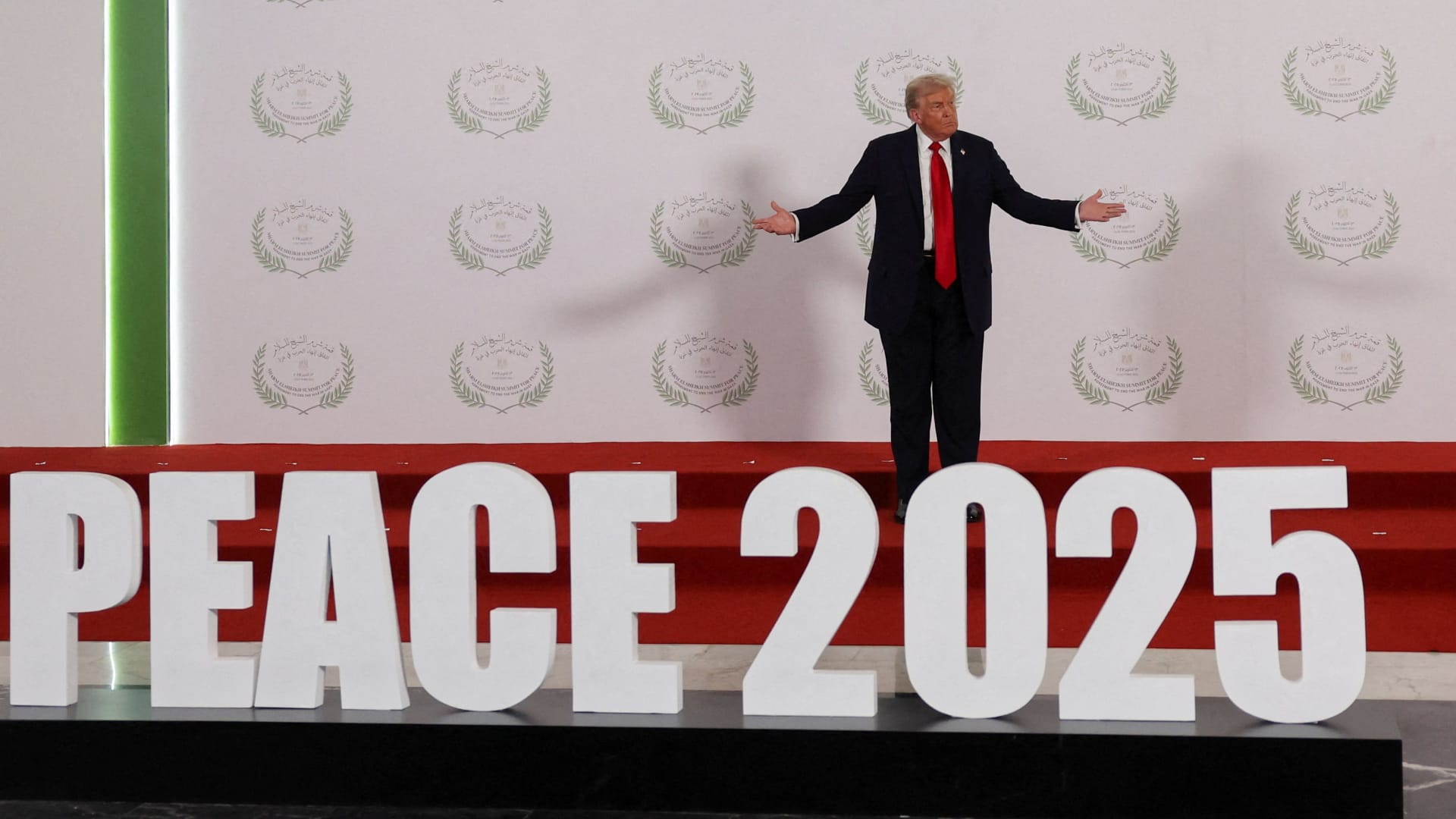
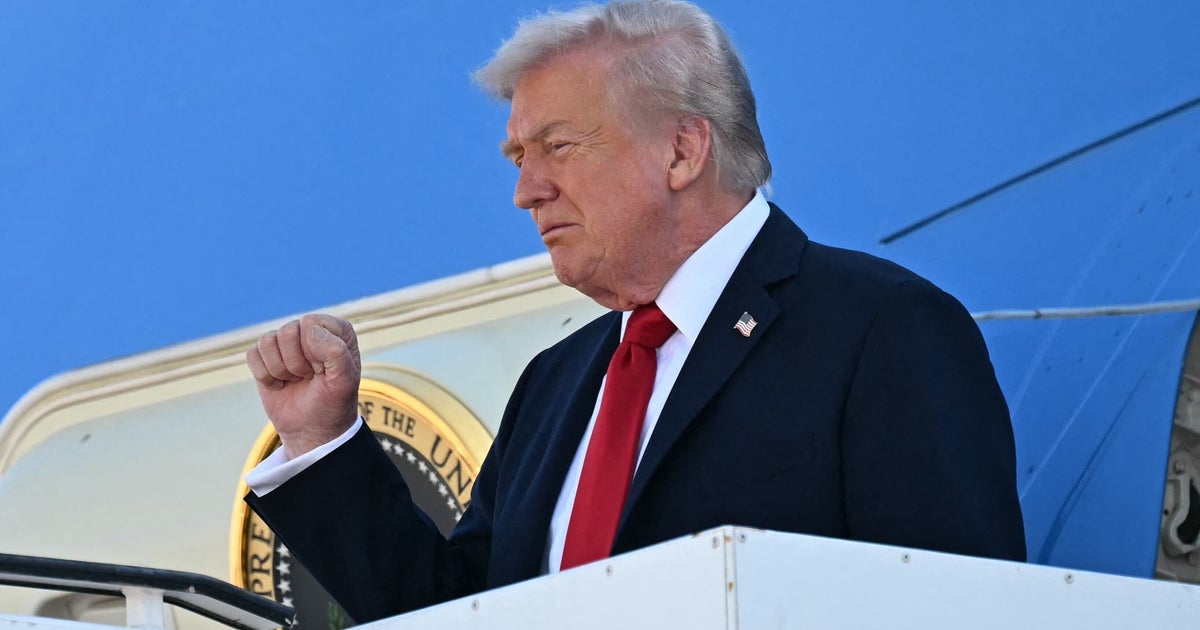
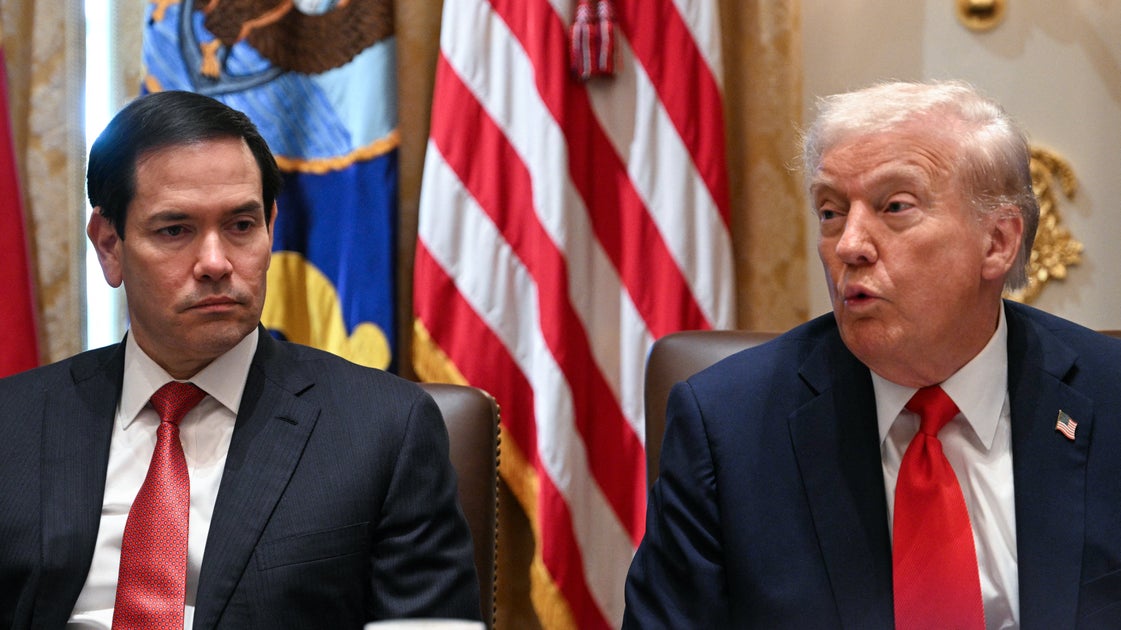
onald Trump called the pause in hostilities he has brokered the first step to a “strong, durable and everlasting peace”. No one can do more to determine the outcome than the US president. This was, for him, a modest statement, acknowledging that Israel and Hamas had agreed to the first phase of his plan – it being their decision, not his, to break a multi-point agreement into a multi-stage discussion. Two parties so far apart agreed on one thing: both would rather defer the really difficult issues.
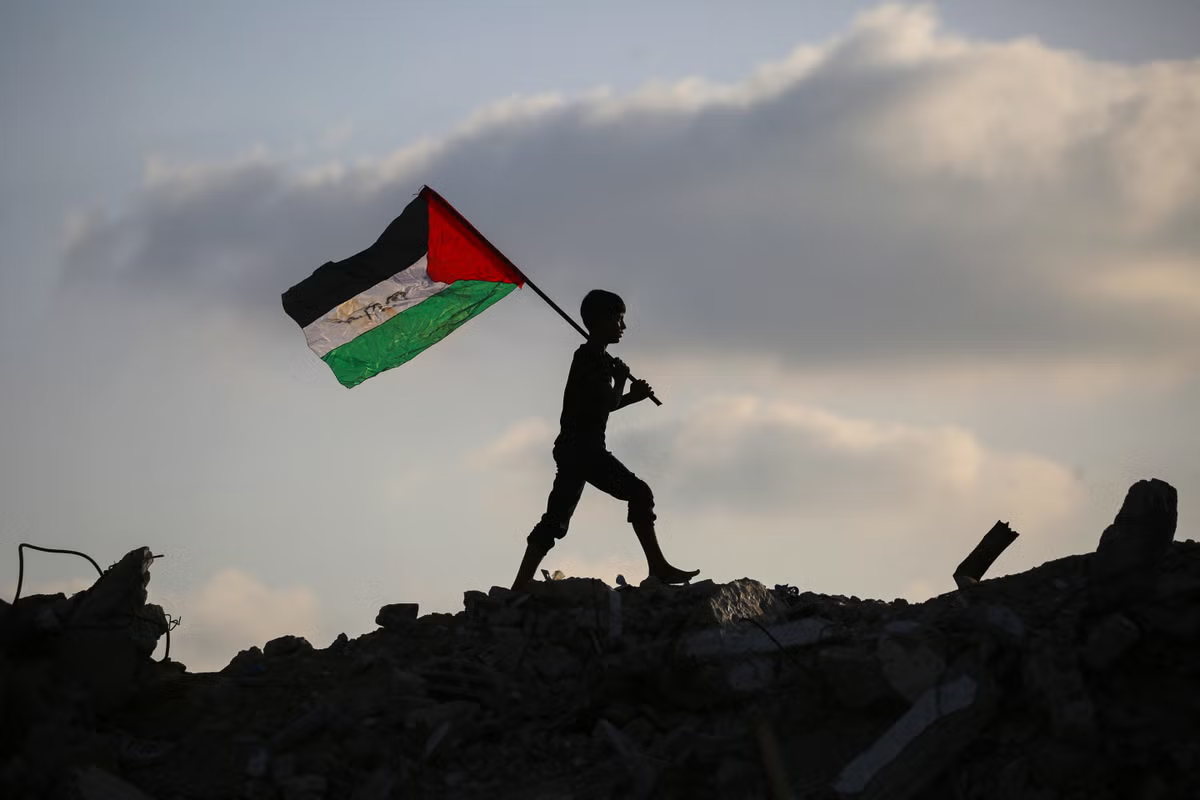
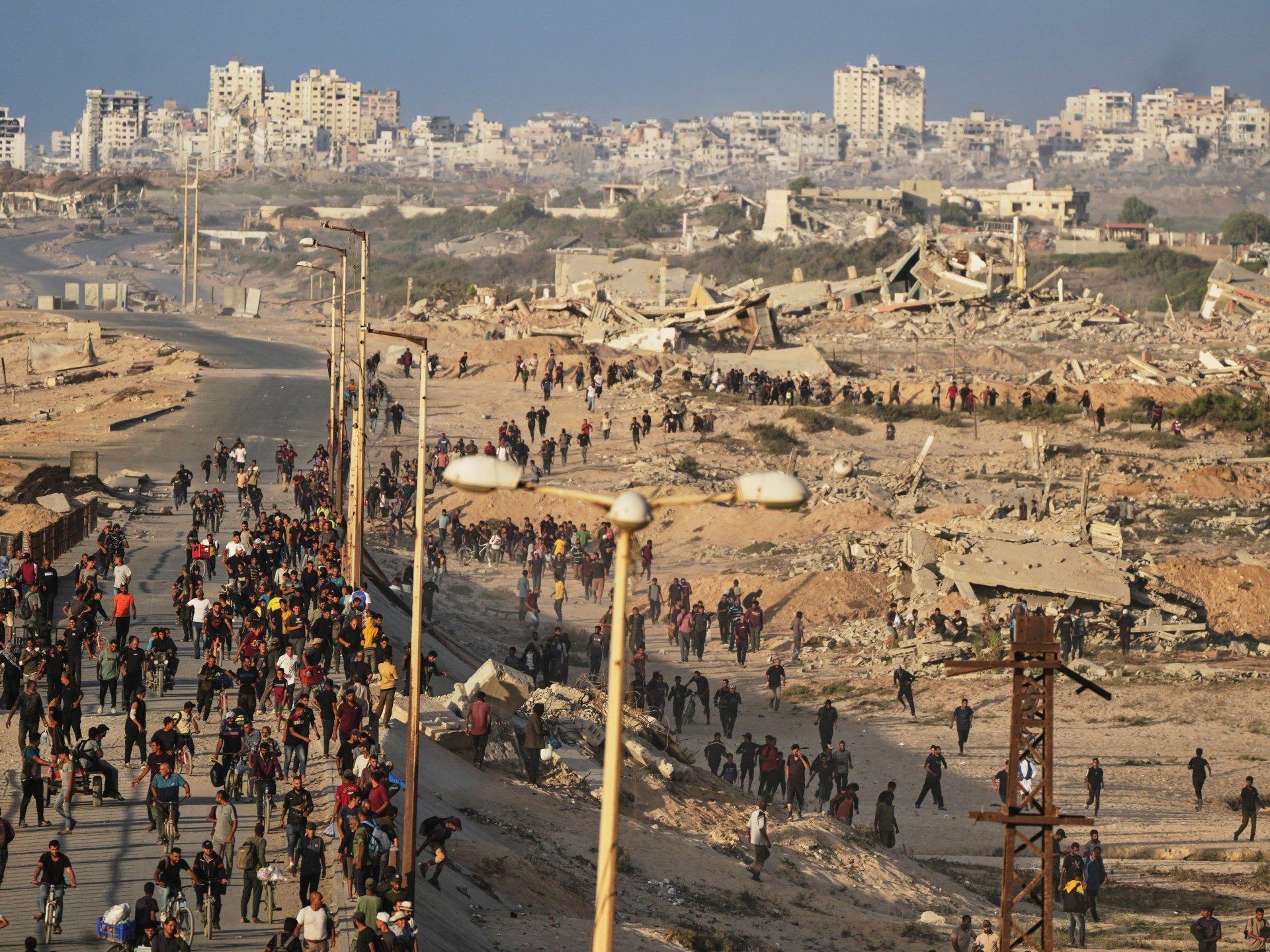
In Israel and Gaza, there was joy – however tentative – at the announcement. An end to the annihilation, the release of all hostages and the resumption of large-scale aid have all been desperately needed. There is every reason to fear that this will not lead to a lasting peace, and every reason to strive to ensure that it does. In finally reining in Benjamin Netanyahu, and in offering Qatar a security guarantee that persuaded it (with Egypt and Turkey) to lean more heavily upon Hamas, Mr Trump has created an opportunity which must be seized.
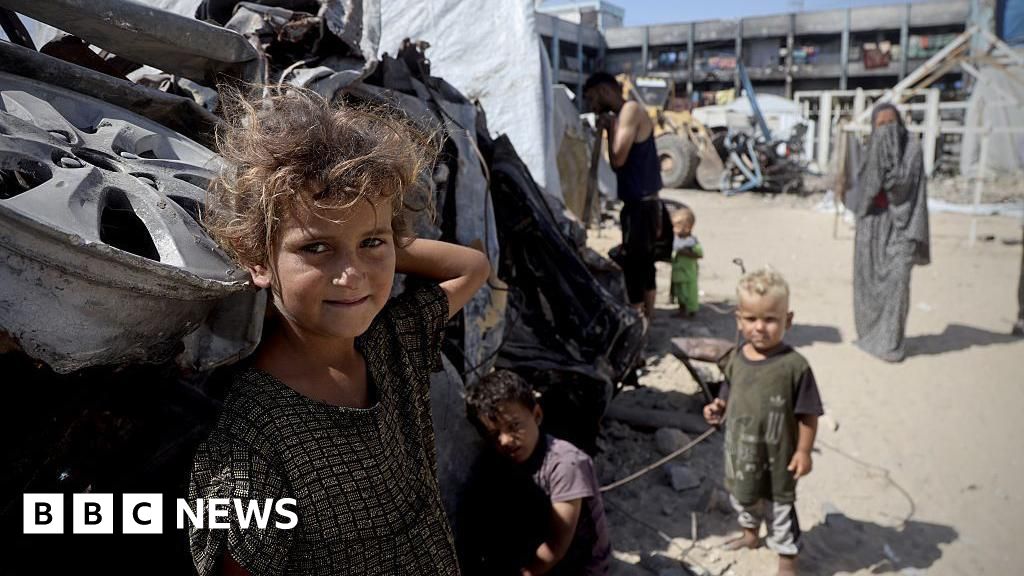
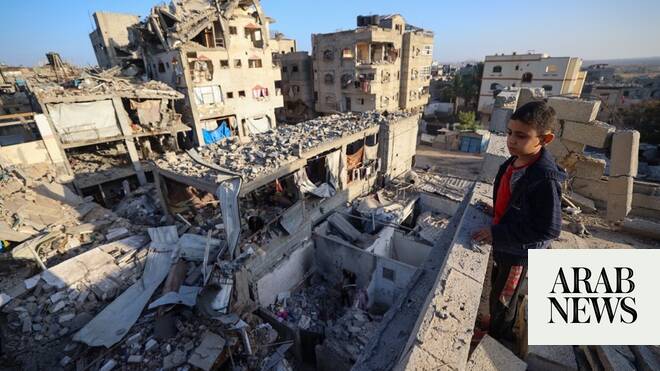
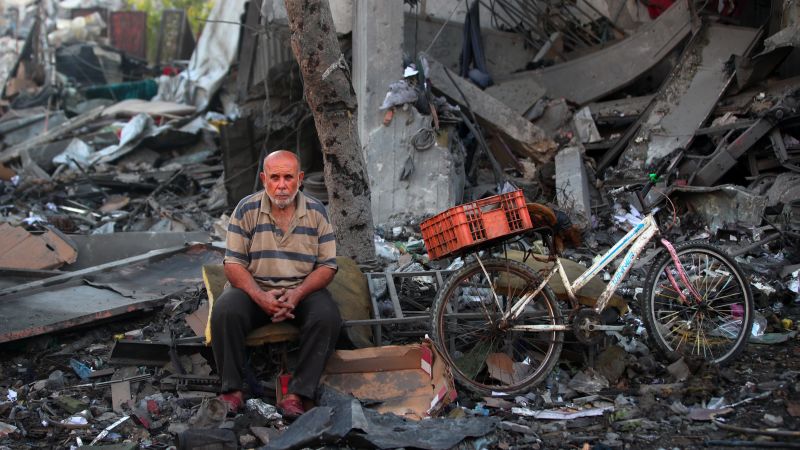
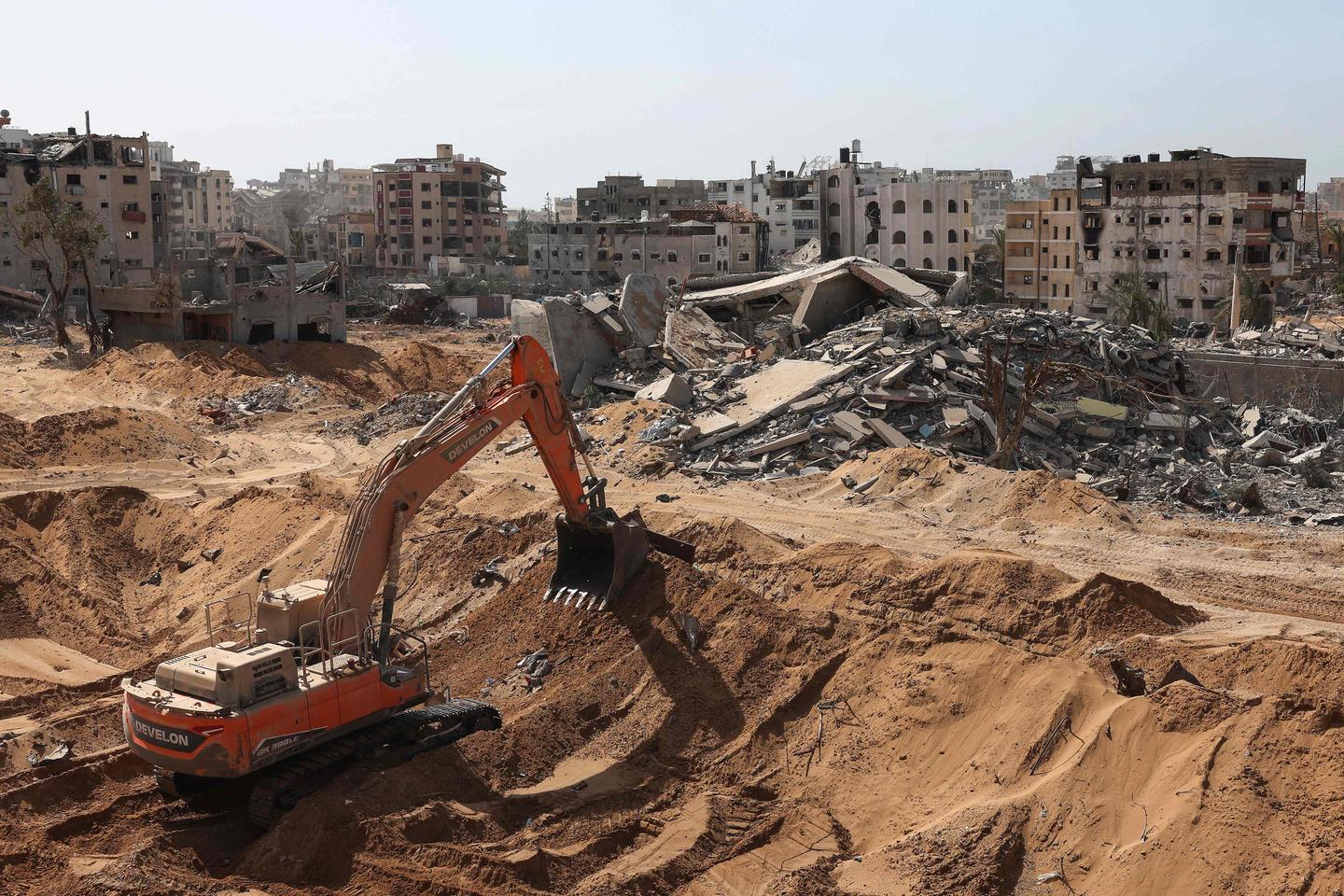
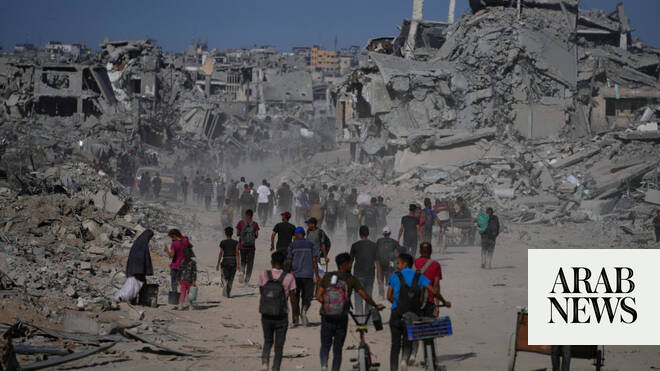
To recognise that his intercession has brought this ceasefire is also to acknowledge that Mr Trump, and Mr Biden before him, could have ended this conflict long ago. More than three dozen of the hostages taken by Hamas-led militants on 7 October 2023 are believed to have been killed in captivity. More than 67,000 Palestinians have been killed by the Israeli military in Gaza. The tens of thousands of children who have been orphaned or are suffering acute malnutrition offer some indication of how profound and lasting the damage will be.