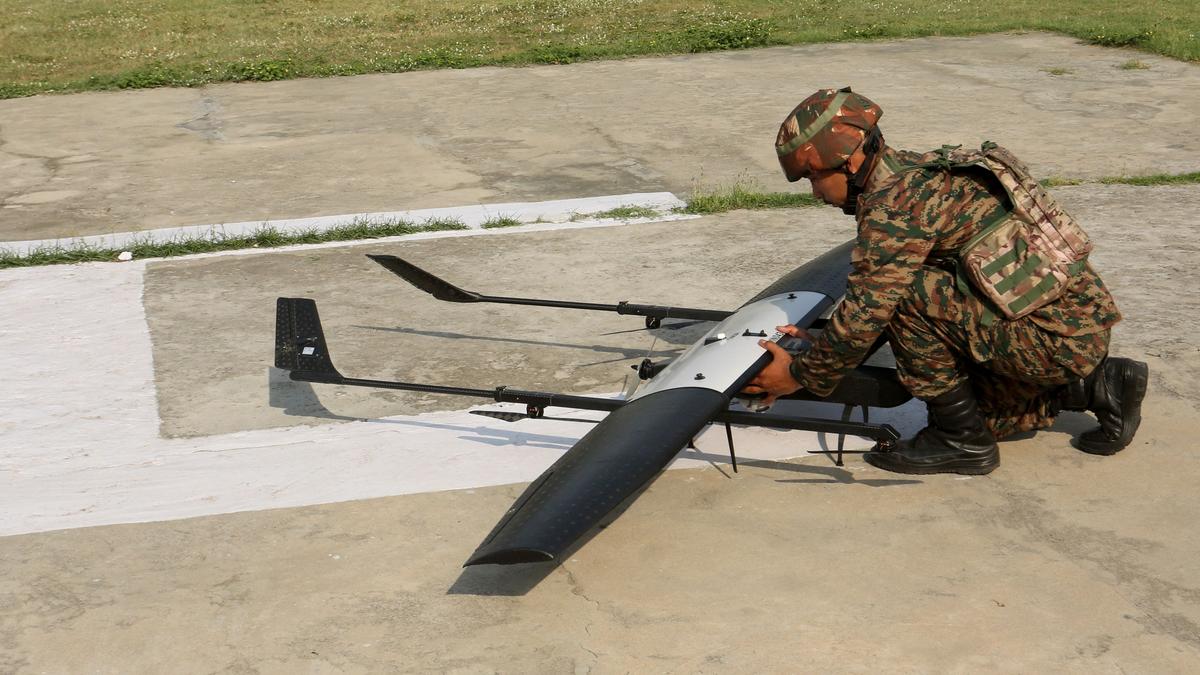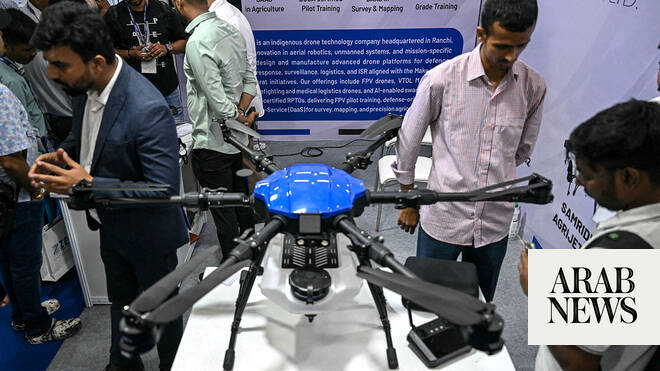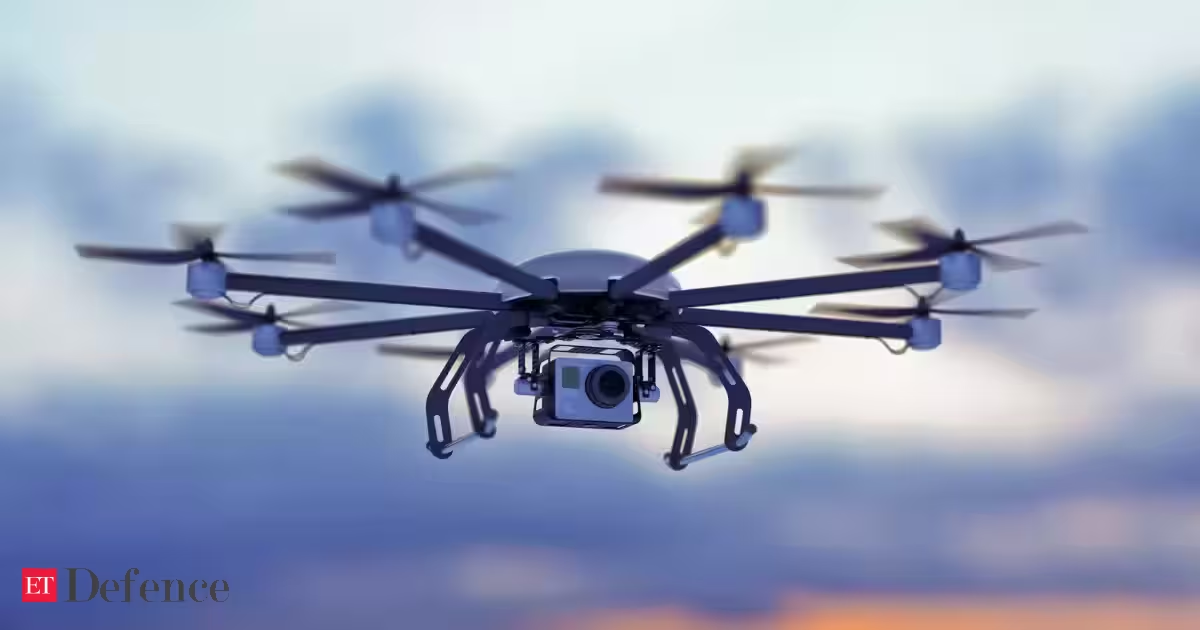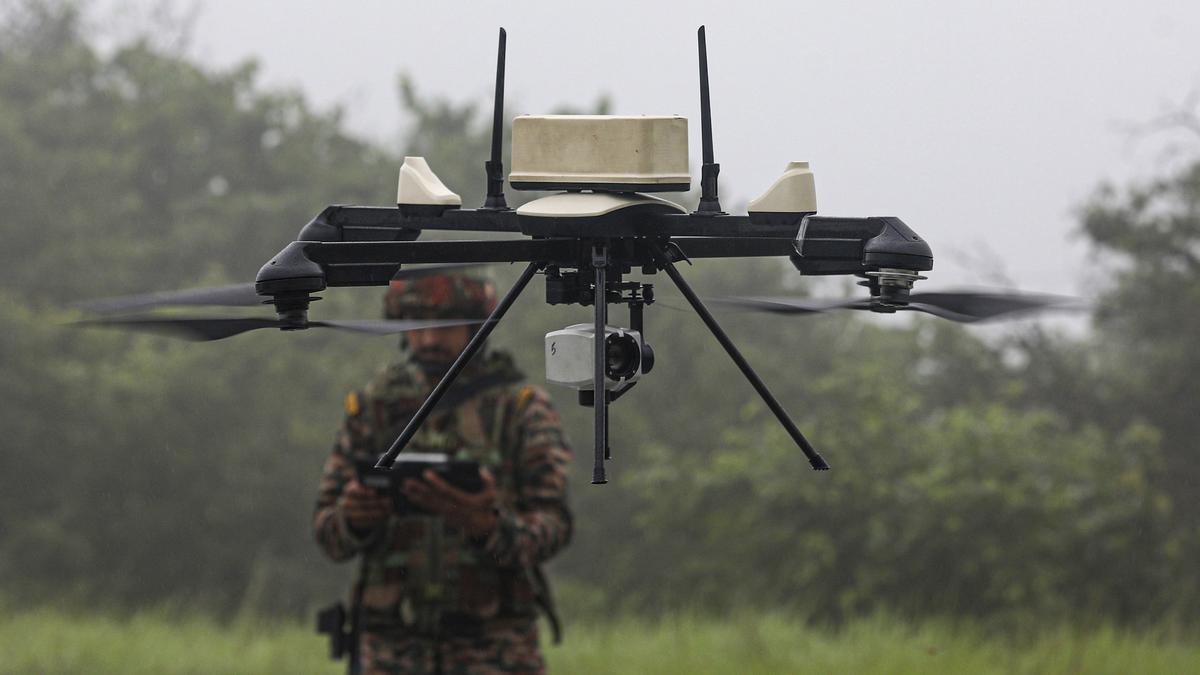
In a major leap towards operational readiness against emerging aerial threats, the Indian Army has initiated procurement of the indigenously developed ‘Saksham’ Counter-Unmanned Aerial System (CUAS) Grid System.
The system is designed to detect, track, identify, and neutralise hostile drones and unmanned aerial systems in real time, ensuring comprehensive airspace security across the newly defined Tactical Battlefield Space (TBS), which now includes the Air Littoral (airspace up to 3,000 metres, or 10,000 feet, above ground level).
ALSO WATCH Watch: Guardians of the skies: India’s air defence systems explained
According to the Army, the requirement for a robust CUAS framework emerged prominently during Operation Sindoor, which underscored the vulnerabilities of existing airspace control measures against hostile drone activity. In response, the Army expanded its operational concept from the Tactical Battle Area (TBA) to the broader TBS, acknowledging that future conflicts will unfold simultaneously across land and low-altitude air domains.
This paradigm shift enables ground formations to maintain control over the Air Littoral, ensuring unrestricted movement for friendly aerial assets, while countering potential hostile incursions.