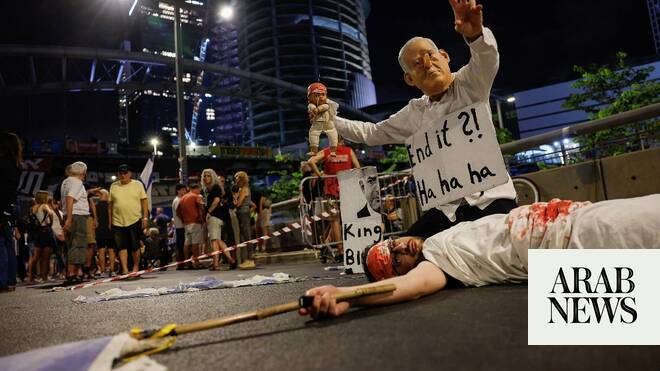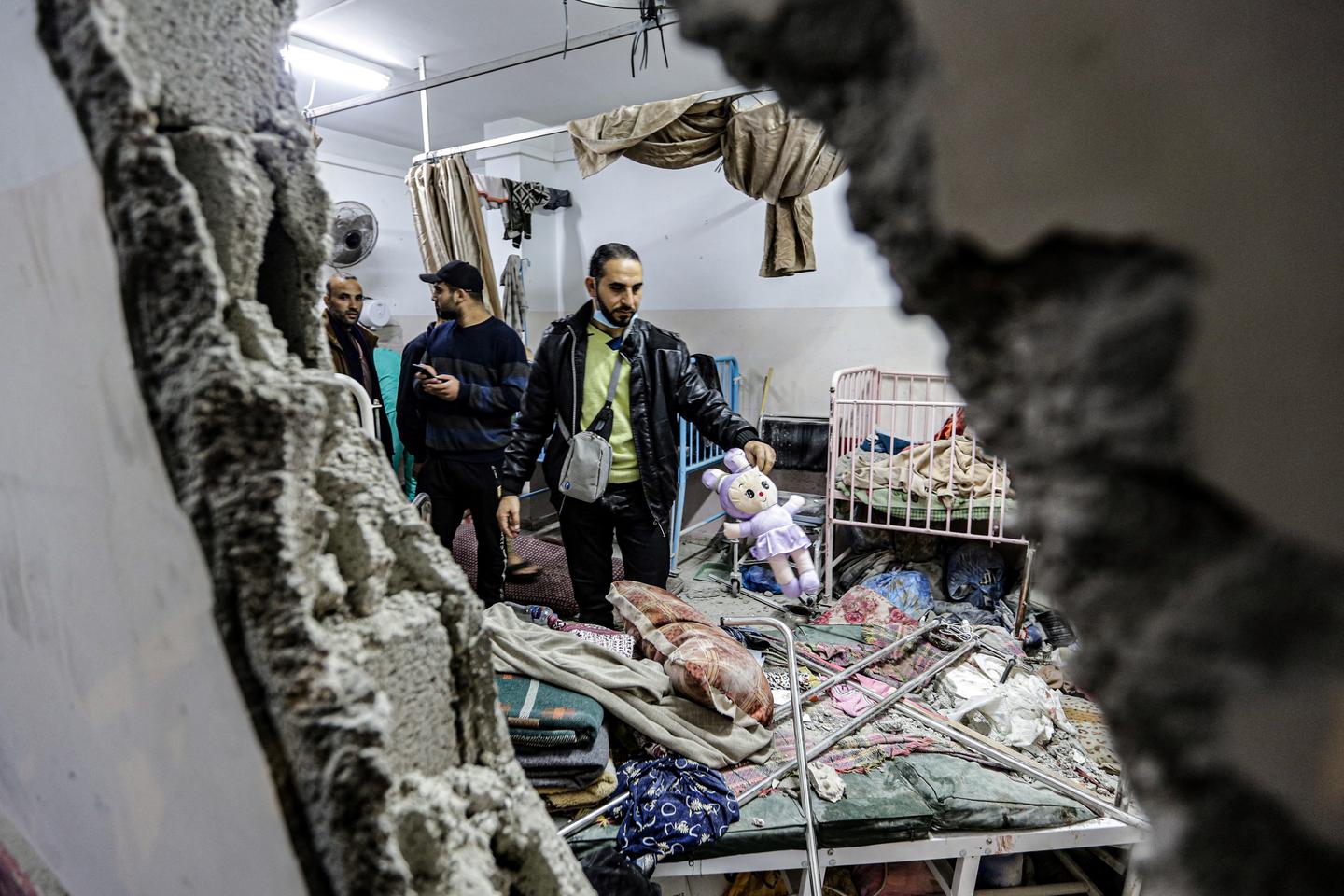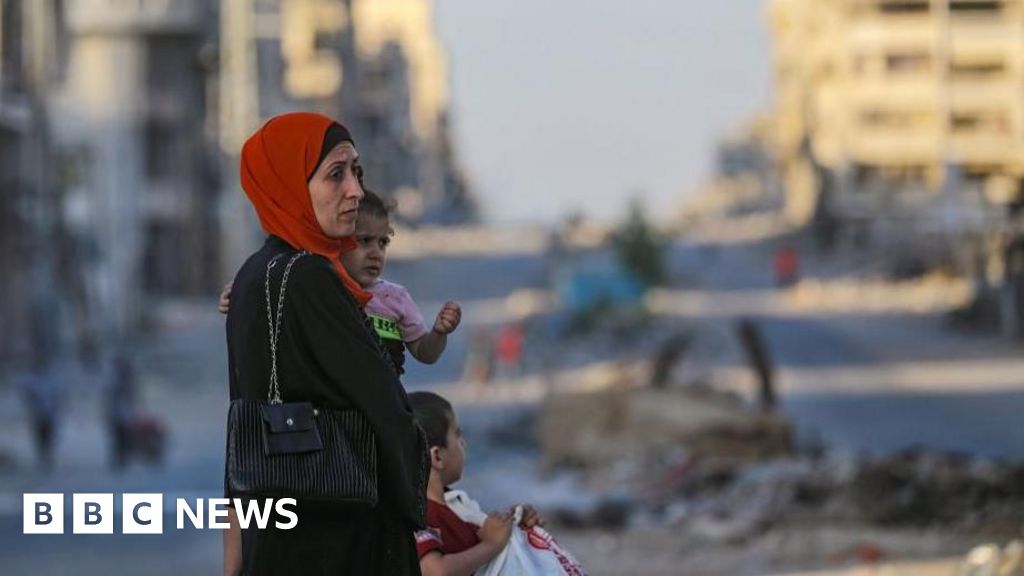
Two years ago, on October 7, Israel declared a state of war in response to cross-border attacks by members of Hamas. Since then, the Benjamin Netanyahu-led government and the Israeli Defence Forces have heavily and strategically bombarded large portions of the Gaza Strip claiming to rid the region of Hamas’ centres of command.Through two years of violent assault, the human death toll has climbed to 67,160 as of October 6, 2025, as per the Palestinian Ministry of Health. A Reuters examination in March of an earlier Gaza Health Ministry list of those killed showed that more than 1,200 families were completely wiped out, including one family of 14 people.
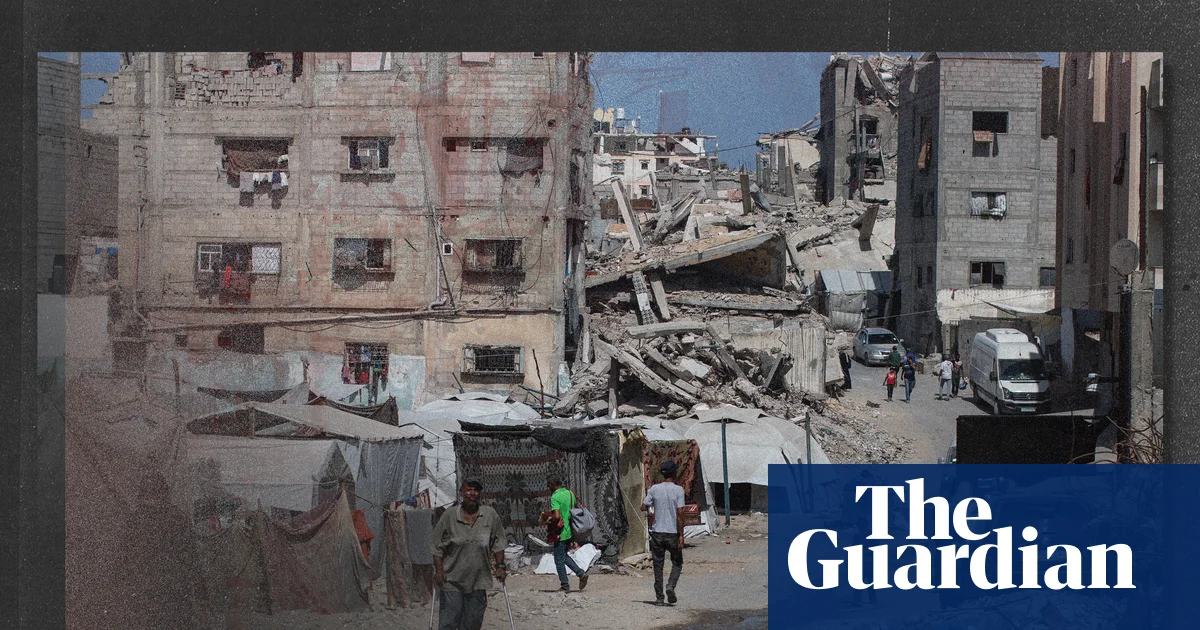
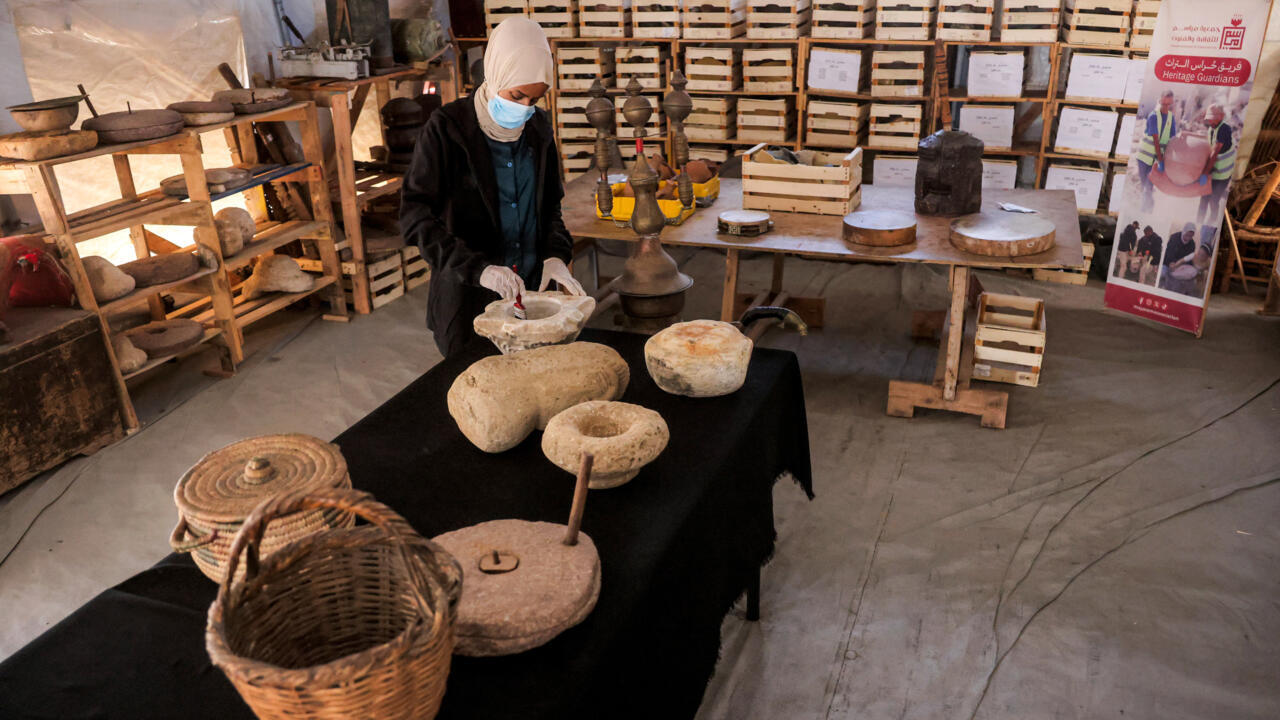
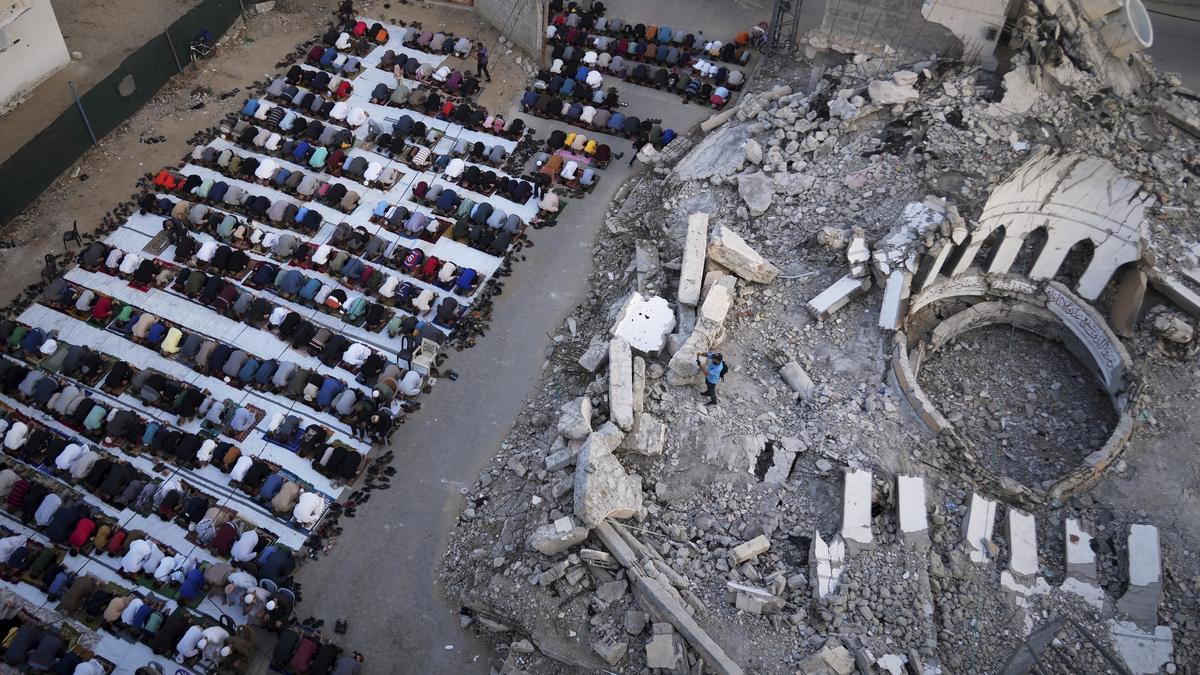
Also read | Israel’s war on Gaza: Life and DeathThe city of Gaza has also crumbled, with the same buildings often facing repeated airstrikes and bombardments. As per a preliminary damage assessment by UNESCO on August 18, 2025, verified damage has been sustained by “110 sites since 7 October 2023 — 13 religious sites, 77 buildings of historical and/or artistic interest, 3 depositories of movable cultural property, 9 monuments, 1 museum and 7 archaeological sites”.
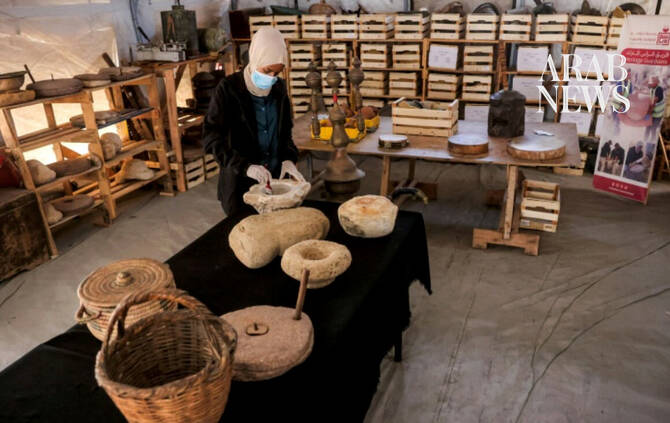
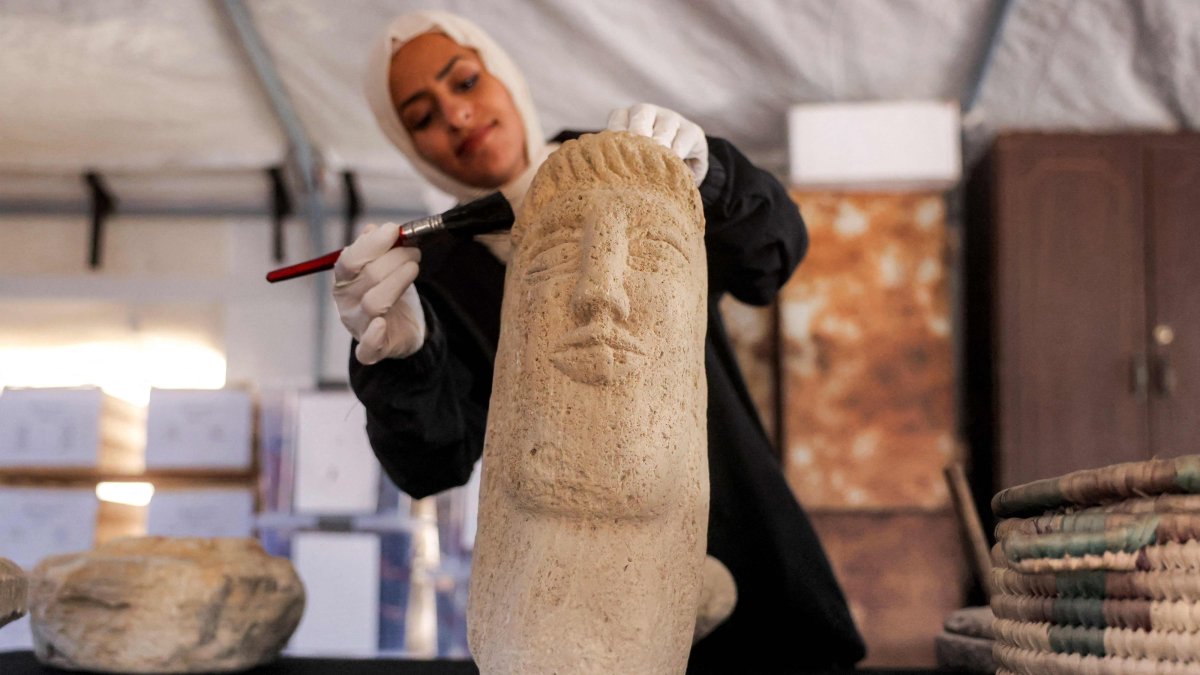
“Crimes against or affecting cultural heritage often touch upon the very notion of what it means to be human, sometimes eroding entire swaths of human history, ingenuity, and artistic creation.”International Criminal Court’s Policy on Cultural HeritageEssentially, Israel’s offensive action has extended to include Gaza’s rich civilizational history. Israel, despite being a signatory to the 1954 Hague Convention for the Protection of Cultural Property in the Event of Armed Conflict, advanced and enhanced the erasure of civilian history in Gaza.Here is a fraction of the cultural and civilian heritage that has also become victim to Israel’s annexationist actions:Great Omari Mosque