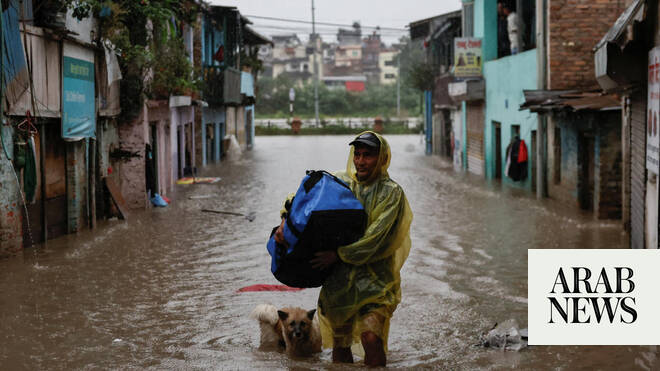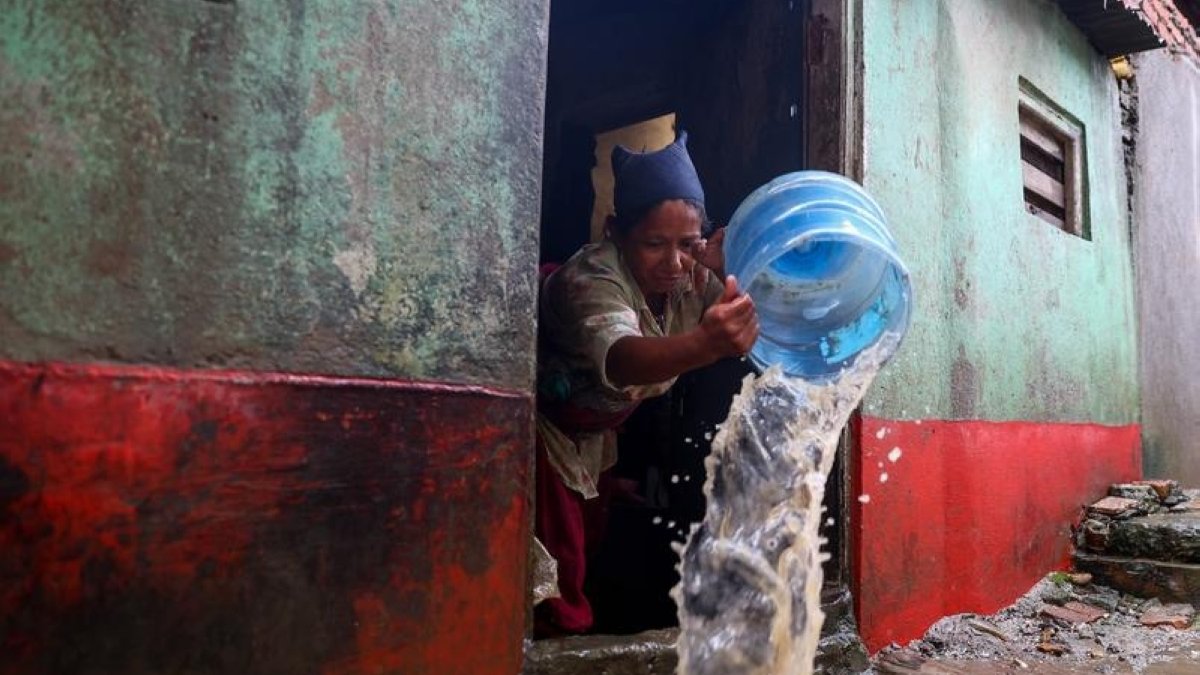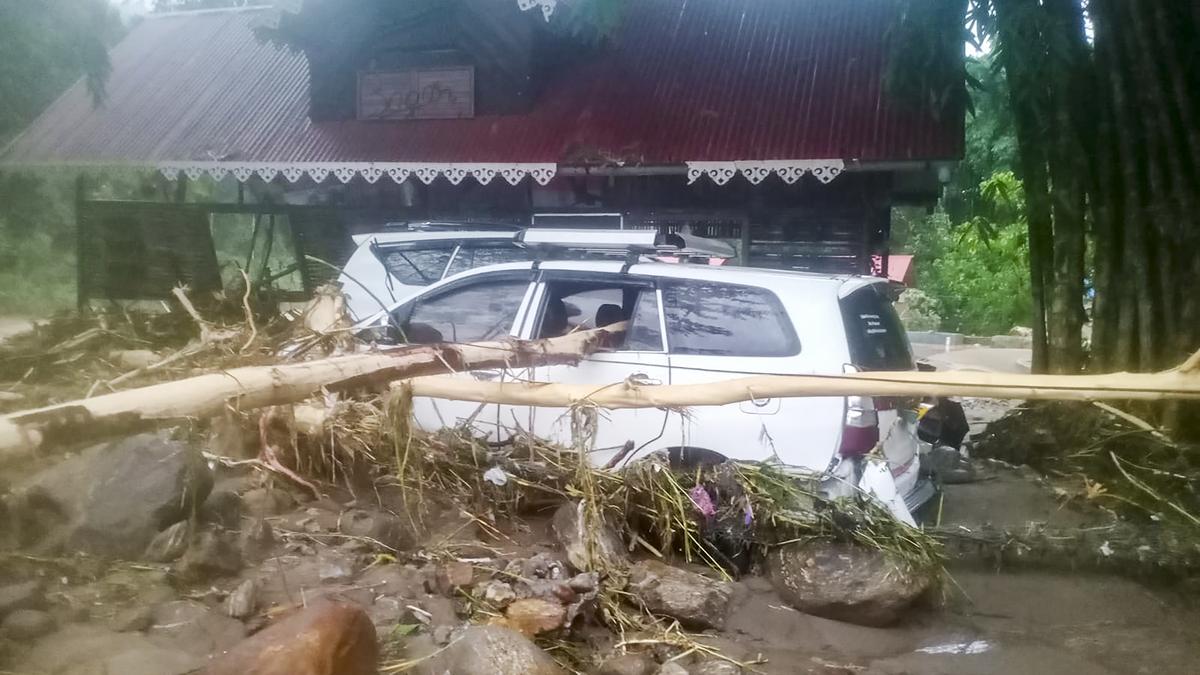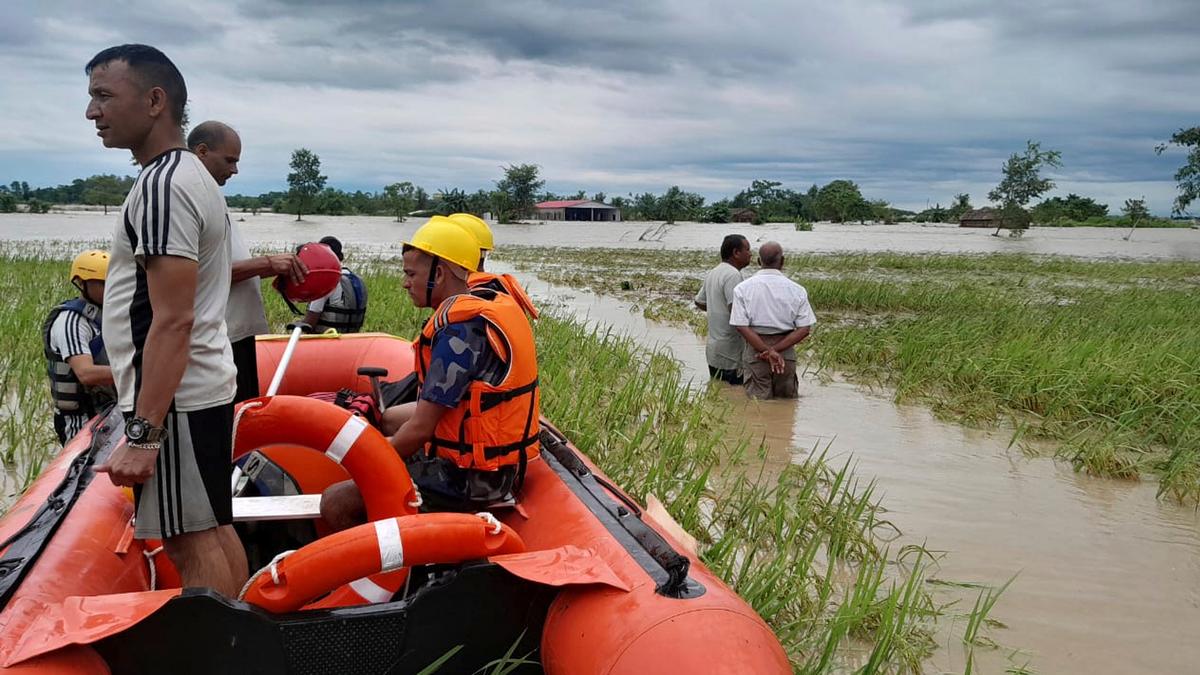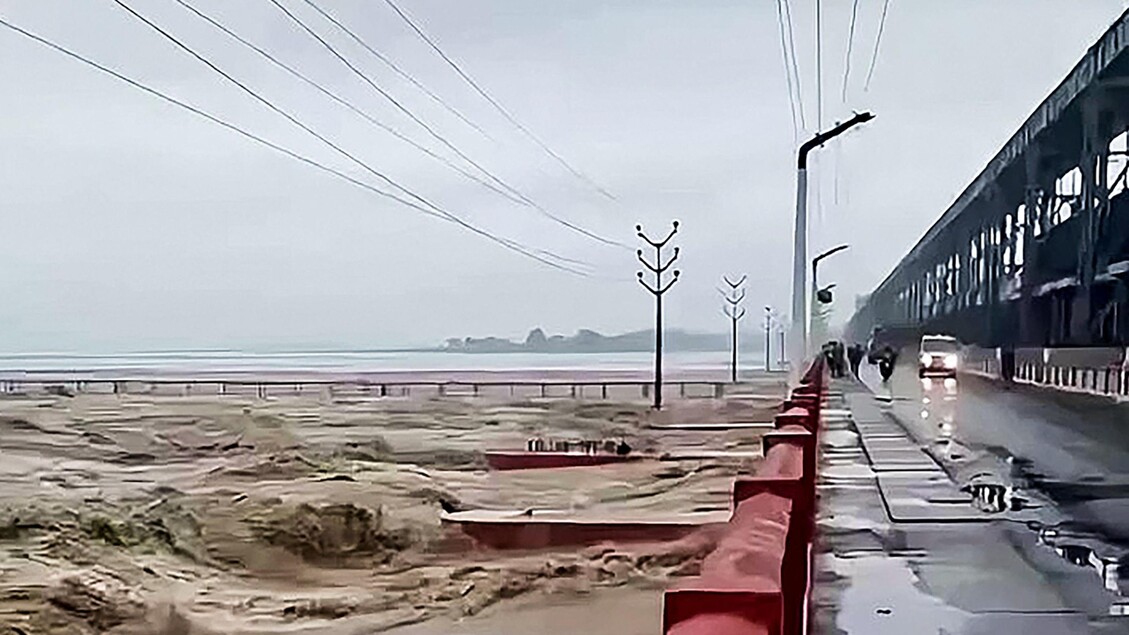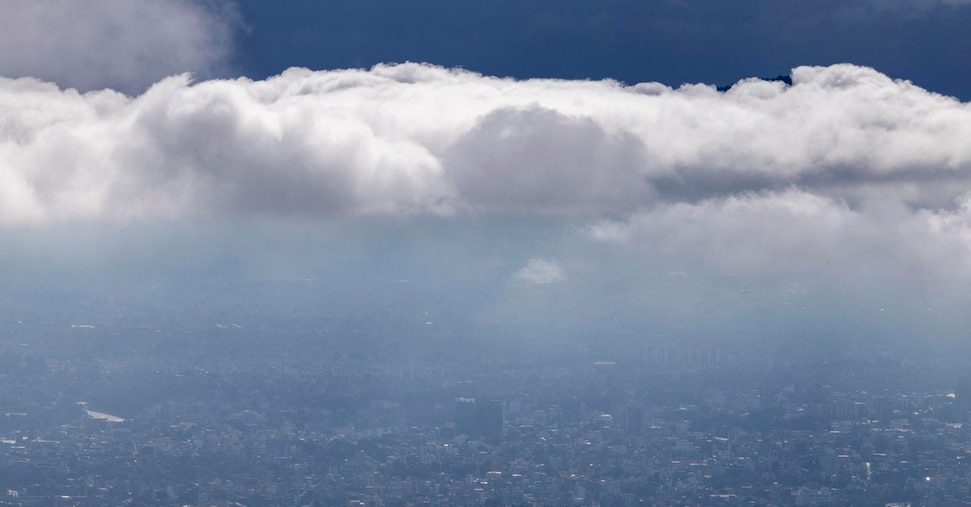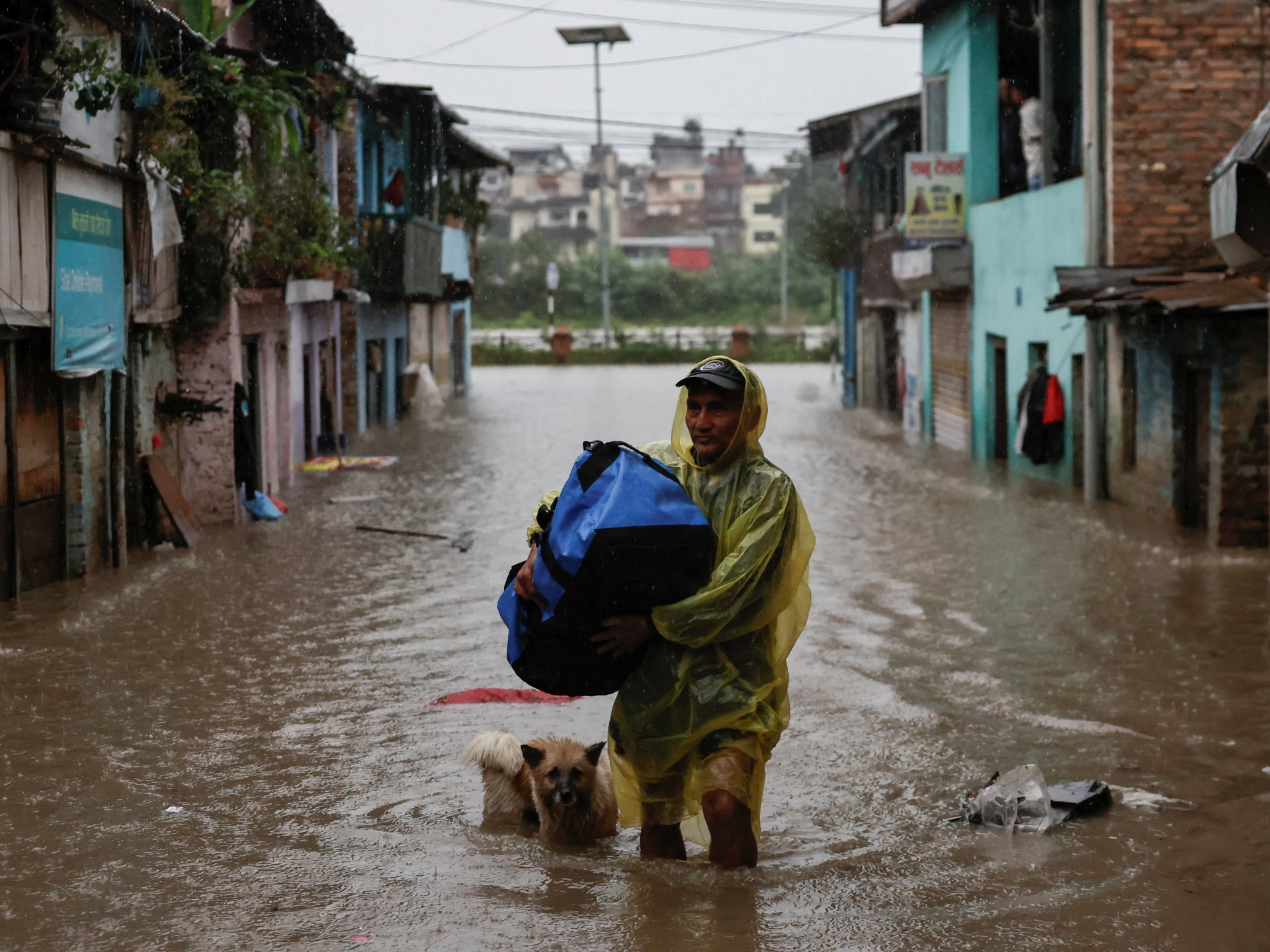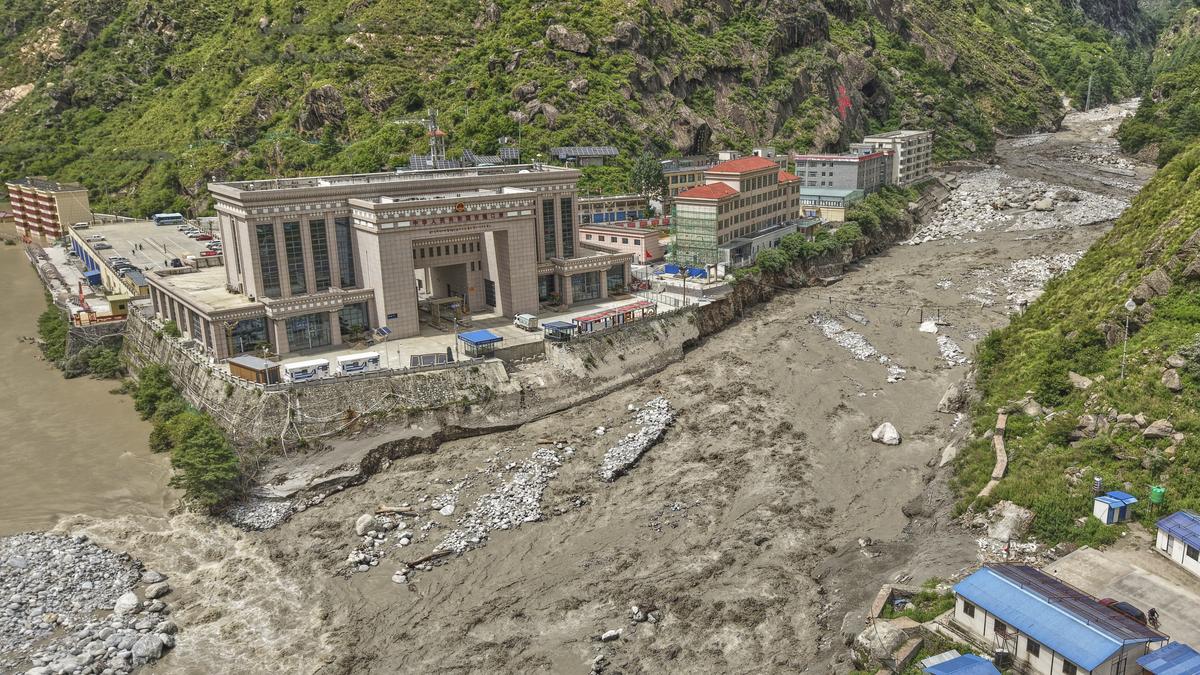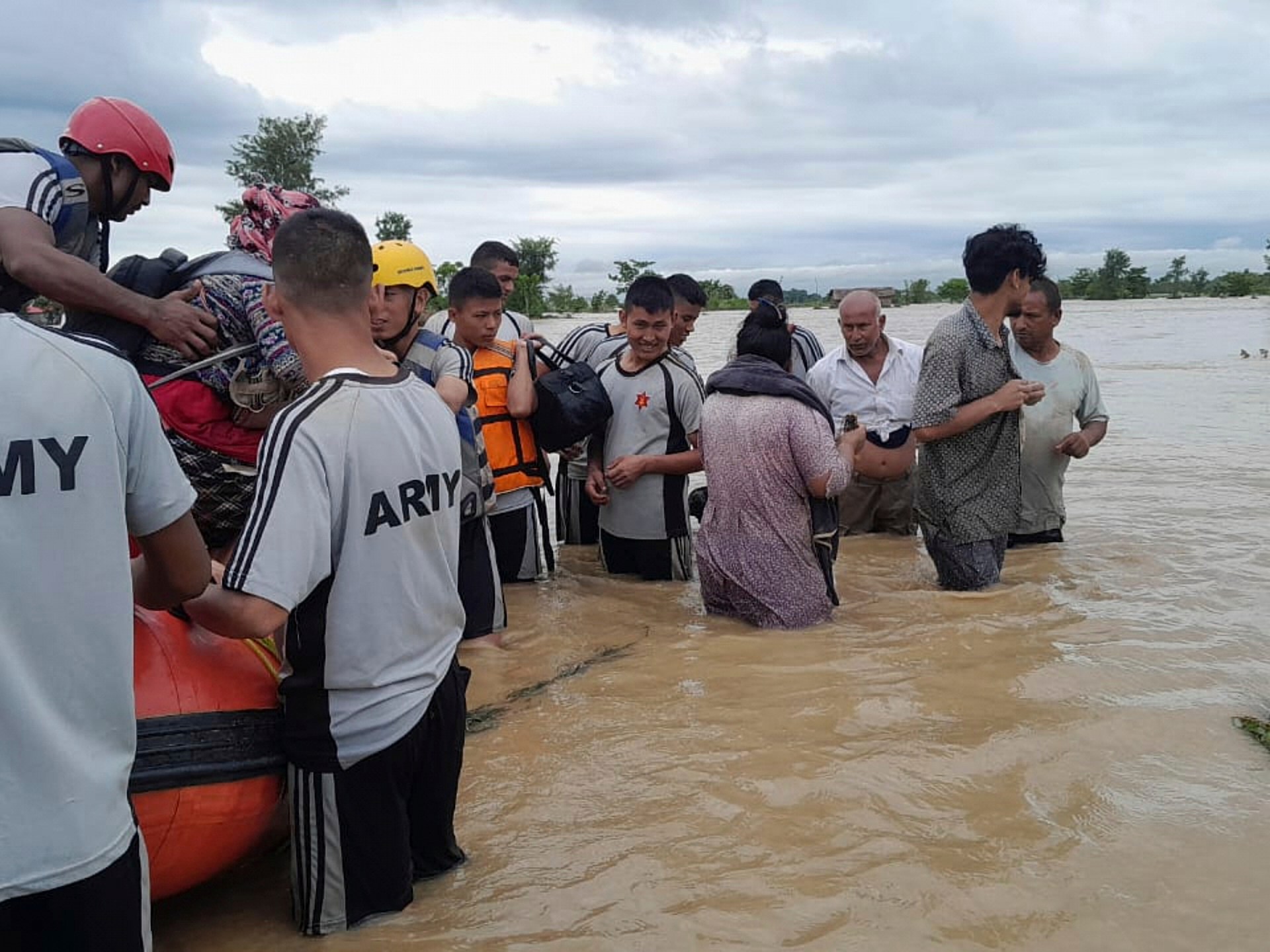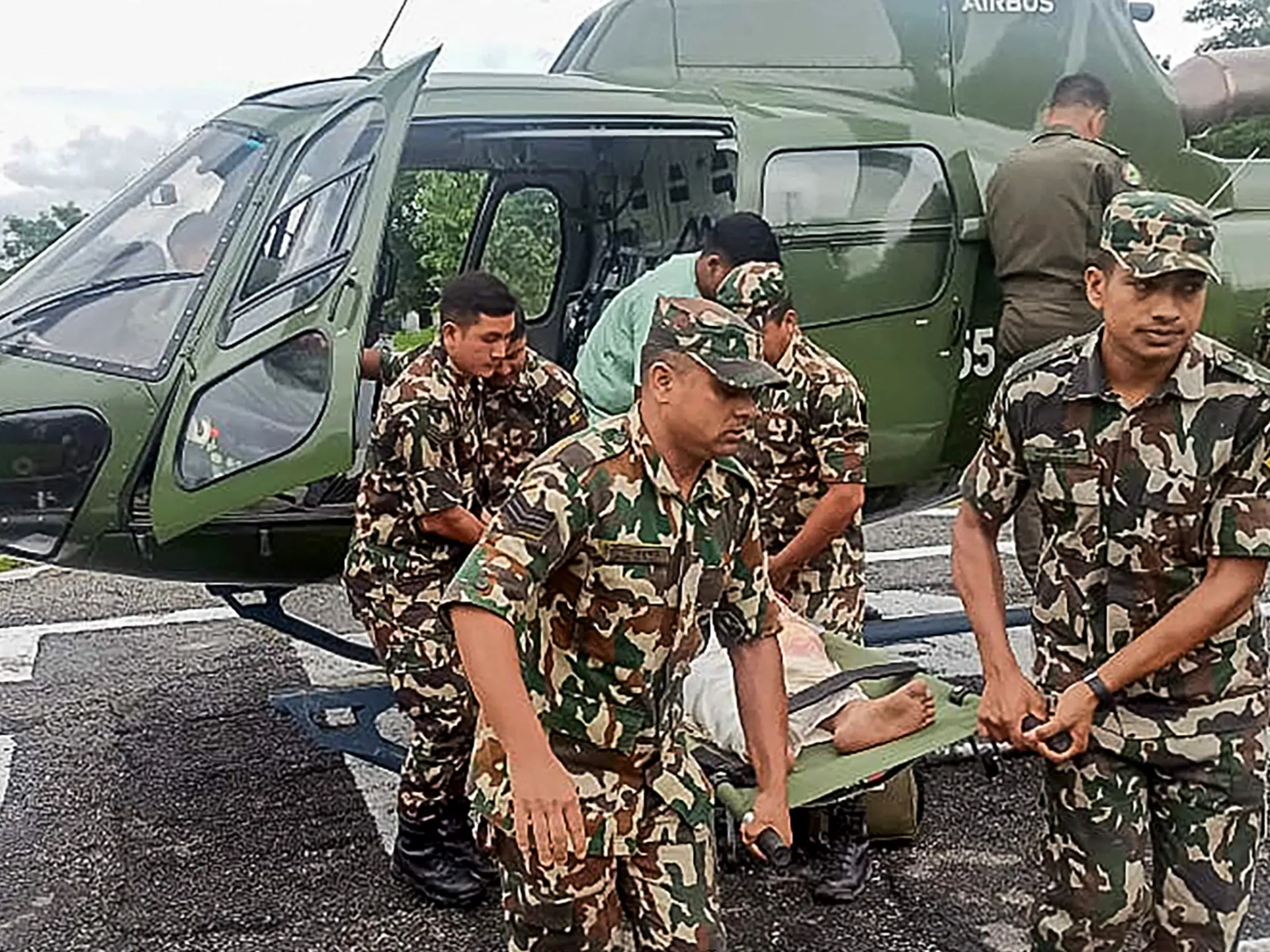
Heavy rains have resulted in severe flooding and landslides in Nepal and India’s eastern Himalayan city of Darjeeling in the past few days.Fifty people have been killed in floods and landslides in Nepal, and 37 of these deaths happened due to landslides in Nepal’s eastern hilly district of Ilam, which borders India. Local media reported that 41 families have been displaced in Nepal.However, the government of Nepal’s interim Prime Minister Sushila Karki was praised for its response to the floods. Experts credited it with keeping deaths and destruction to a minimum.Here is what we know.How much rain has Nepal had?Heavy downpours began on October 3, and data from the Department of Hydrology and Meteorology (DHM) show that some parts of Nepal experienced heavy rainfall. While the overall rainfall was slightly lower than last year, the destruction has still been bad because of “ultra-localised” heavy rains.Pawan Bhattarai, an assistant professor at the civil engineering department of Kathmandu-based Tribhuvan University, told Al Jazeera that several districts in the central-eastern Terai plains and eastern hills bore the brunt of the storm, with weather stations in Rautahat and Ilam recording more than 330mm and 300mm of rain, respectively, on Saturday and Sunday.Rainfall is normally considered extremely heavy if there is more than 150mm in 24 hours.In the capital, Kathmandu, some districts received slightly more than 145mm of rain on Sunday compared with roughly 240mm in late September last year, when Kathmandu Valley experienced its heaviest deluge since 2002. Some parts of Kathmandu recorded as much as 322.2mm of rain last year, when the floods killed more than 200 people.(Al Jazeera)What caused the floods and landslides this year?Various factors triggered the devastating floods this year.Monsoon windsBhattarai explained that the flooding and landslides were an outcome of “an exceptionally intense and concentrated monsoon downpour”, which was caused by moisture-laden monsoon winds entering Nepal from the Bay of Bengal through the Indian states of Bihar and Uttar Pradesh.As a result, very high amounts of rain fell in a short period of time in ultra-localised areas. Some areas received a lot of rainfall over a short duration, while other parts remained largely dry.TopographyCompounding this, the topography of some regions in the country is not suited to heavy downpours, Bhattarai said. “The massive volume of water overwhelmed the flat plains of districts like Rautahat, Bara and Parsa, causing widespread flooding.”These three districts are in the Madhesh province in the mid-south of Nepal, bordering India. They are situated on the Terai plains – a flat, arable area – making it vulnerable to flooding because they have little to no elevation to redirect floodwater.“Simultaneously, the same intense rainfall destabilised the steep slopes of hilly districts like Ilam, triggering the fatal landslides. In contrast, other areas like Kathmandu received significantly less rain, highlighting the localised nature of this extreme weather event,” he added.Poor infrastructure“Unscientific infrastructure development – such as road expansions that destabilise slopes – and encroachment on natural landscapes have amplified the damage,” Bhattarai said.He explained that the recurring landslides on the Narayangadh-Mugling highway have been exacerbated by inadequate planning, poorly designed roadwork and a lack of proper safeguards.The Narayangadh-Mugling highway in central Nepal experiences landslides fairly frequently, with the last one reported on September 23, causing regular traffic disruptions.Climate changeWhile the amount of rain that fell in Nepal was not unusually high this year, the increased frequency of intense weather in the country is most likely linked to climate change, Bhattarai said.“Such extreme monsoon events are highly unusual and a major concern. This pattern of back-to-back intense flooding – last September and again this year – is consistent with the effects of climate change, which is intensifying the hydrological cycle and making severe weather events more frequent.”Army personnel help people retrieve their belongings and move to a safe area at a flooded street along the bank of overflowing Bagmati River following heavy rains, in Kathmandu, October 4, 2025 [Navesh Chitrakar/Reuters]How has the government responded to the flooding?Nepal has been contending with a difficult political situation in recent weeks.On September 8, protests erupted in Kathmandu and other cities against corruption and nepotism. These “Gen Z” protests led by young people resulted in violence, numerous deaths and, ultimately, the resignation of Prime Minister KP Sharma Oli. The army was deployed, and former Chief Justice Sushila Karki, 73, was chosen as interim PM.She has been praised for the interim government’s preemptive response to the floods. Experts say the government responded promptly to weather forecasts from the meteorological department, issuing early warnings, ordering road closures and halting traffic on main roads and highways in advance of the flooding.Tanuja Pandey, 24, a climate activist said: “Rarely have forecasts been taken this seriously with public advisories, riverside community relocations, highway closures, and even a two-day public holiday declared for safety. Support hotlines and rescue teams were placed on high alert, which did help minimise what could have been far greater losses.”The actions that won appreciation in particular included:
What caused Nepal’s devastating flood damage and how was it contained?
Karki government has been praised for issuing early warnings and imposing road closures in response to flood forecasts.
1,596 words~7 min read