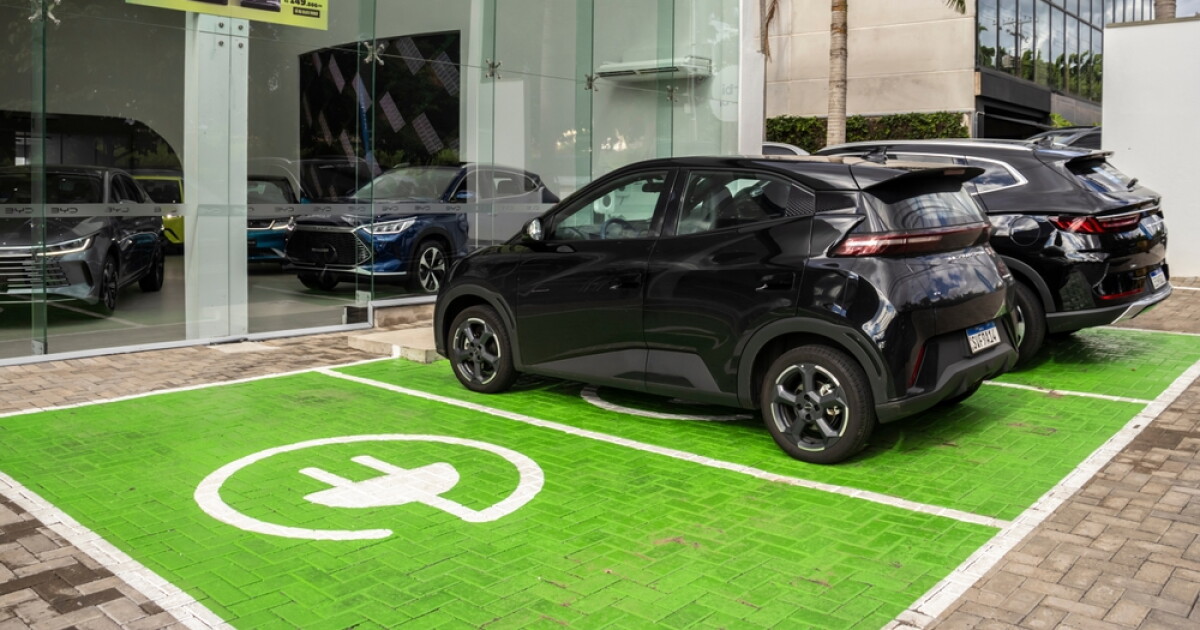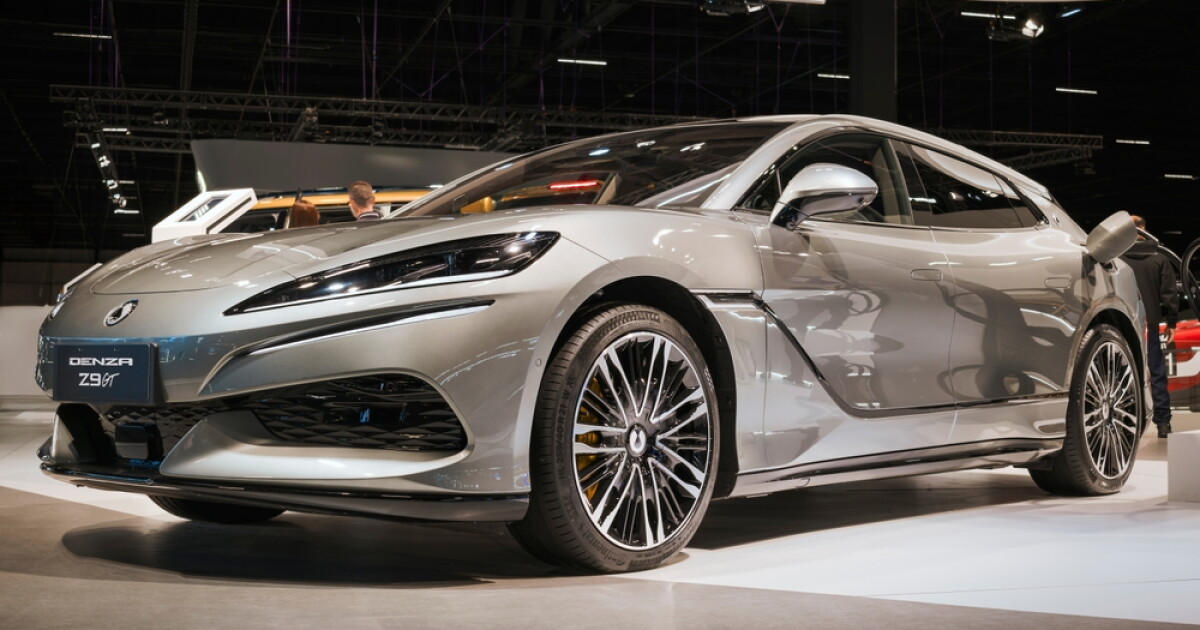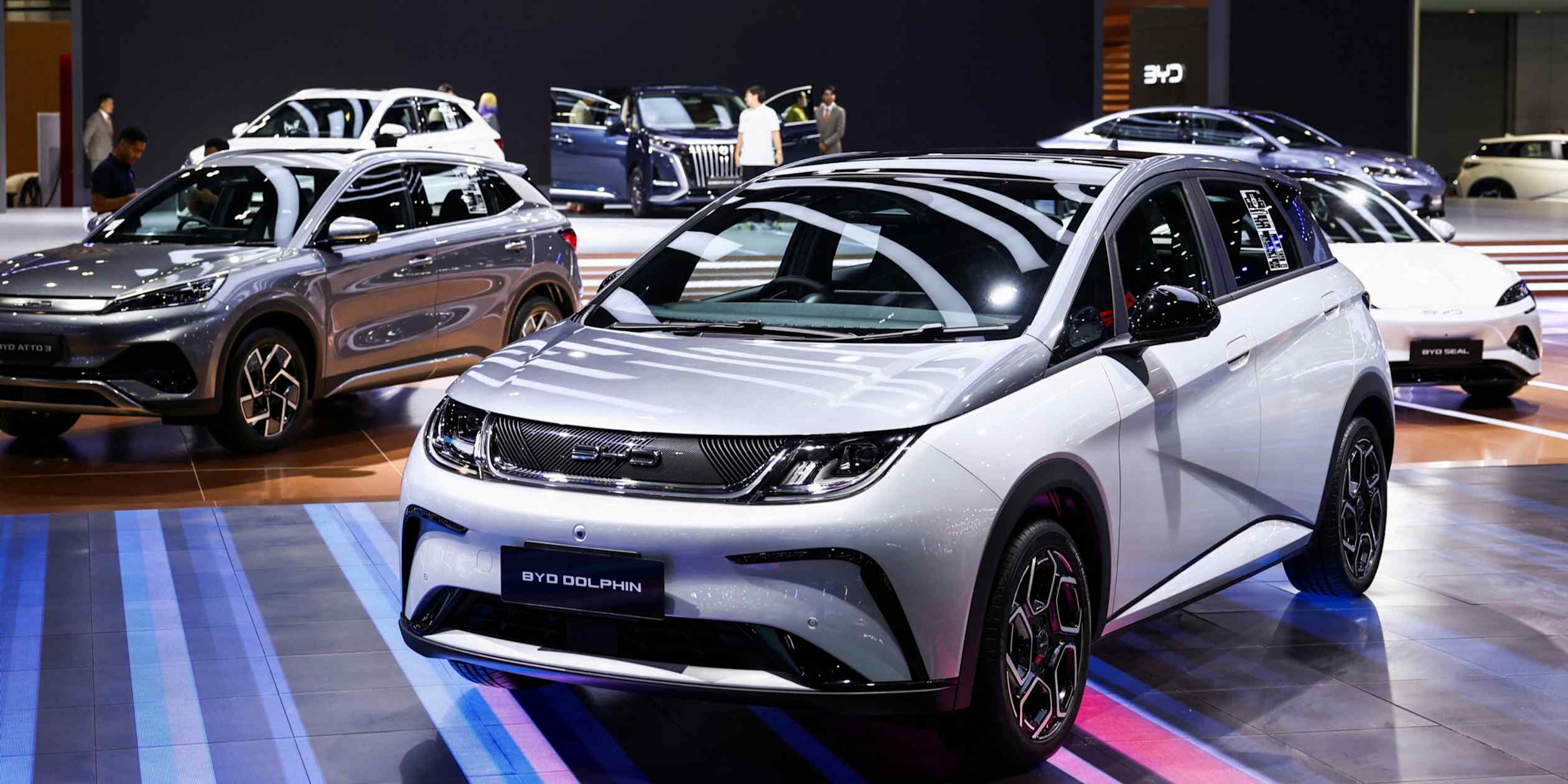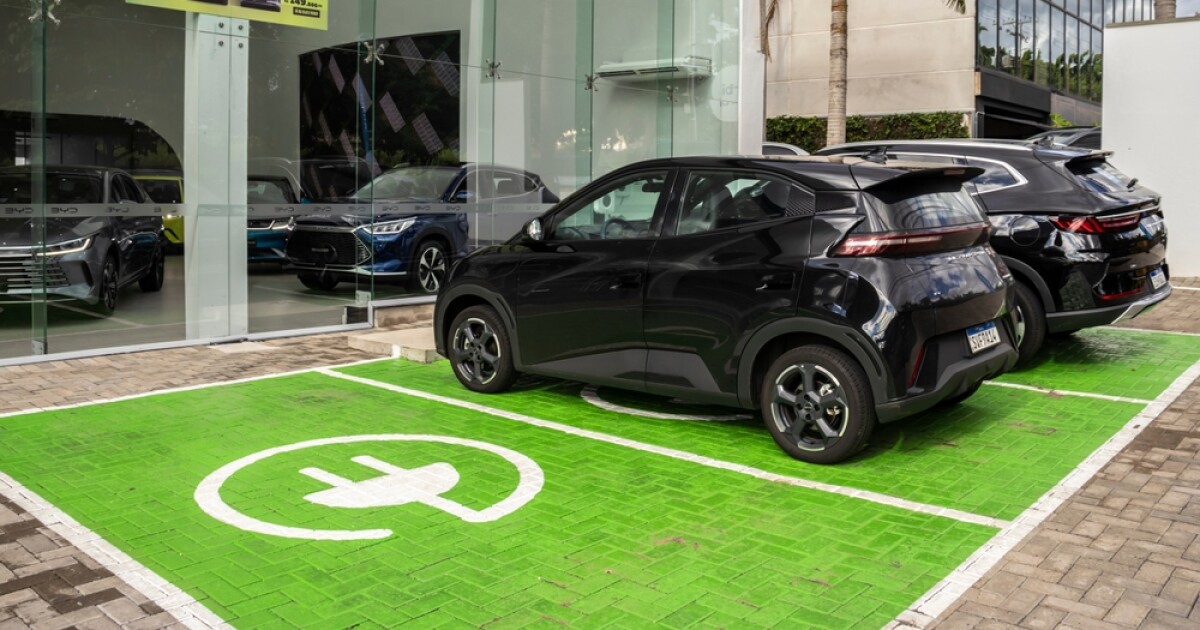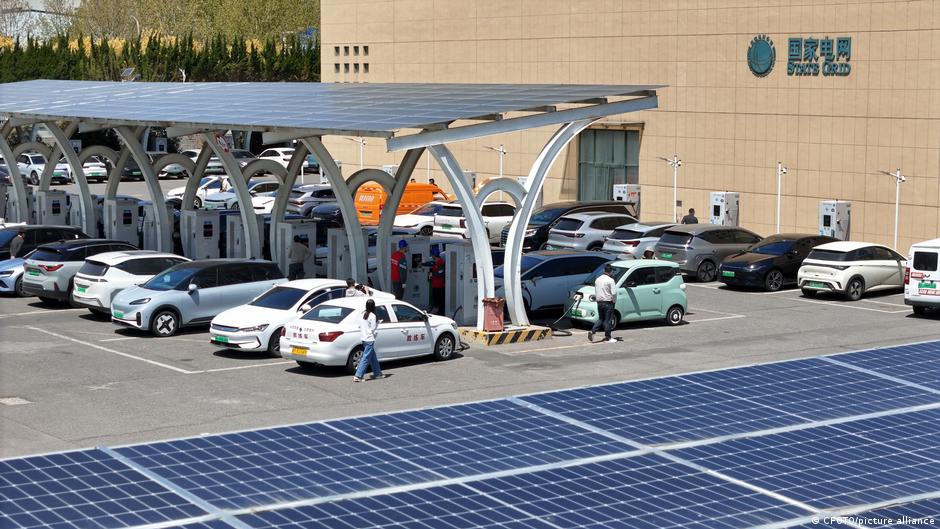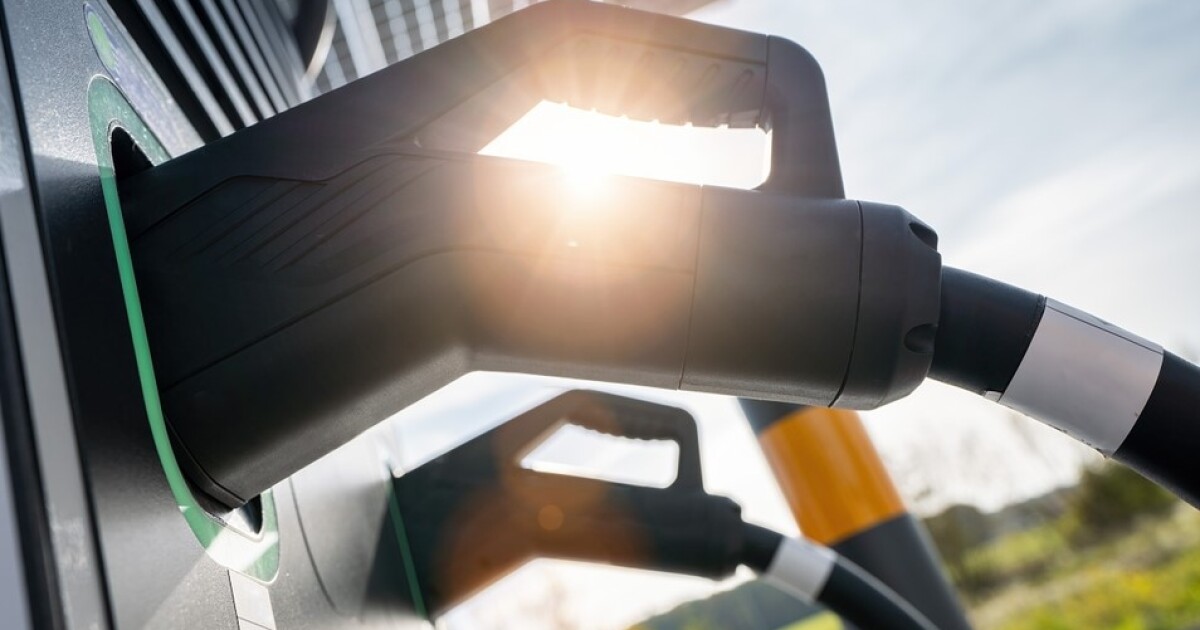
Electric vehicle (EV) sales have taken off this year in a select group of emerging markets, including Turkey, Brazil, Thailand, Vietnam and other parts of Southeast Asia. The trend is being fueled by a combination of falling costs for ownership and operations, increased availability of imported Chinese and local models, new green financing, and rising sustainability awareness among younger generations. The upturn challenges the narrative that EVs are a high-cost luxury for developed markets and raises questions about long-term oil demand growth in these markets.
Thailand sold nearly as many EVs in the first half of 2025 as it did throughout 2024 — about 57,000 versus 71,000 last year — according to data from the Electric Vehicle Association of Thailand (Evat) and the International Energy Agency (IEA). Experts expect EVs to account for more than 20% of Thai sales over the full year. Bangkok has been a strong supporter of EVs, while Thai consumers are attracted to the technology and recognize that air pollution from road transport is a major problem in cities, say local observers. EVs are often cheaper than internal combustion engine (ICE) cars to buy and run in Thailand, and there is a wide range of affordable models, both imported from China and locally made. Evat says the country had more than 218,000 pure EVs on the road at end-June 2025, supported by 3,720 public charging stations.