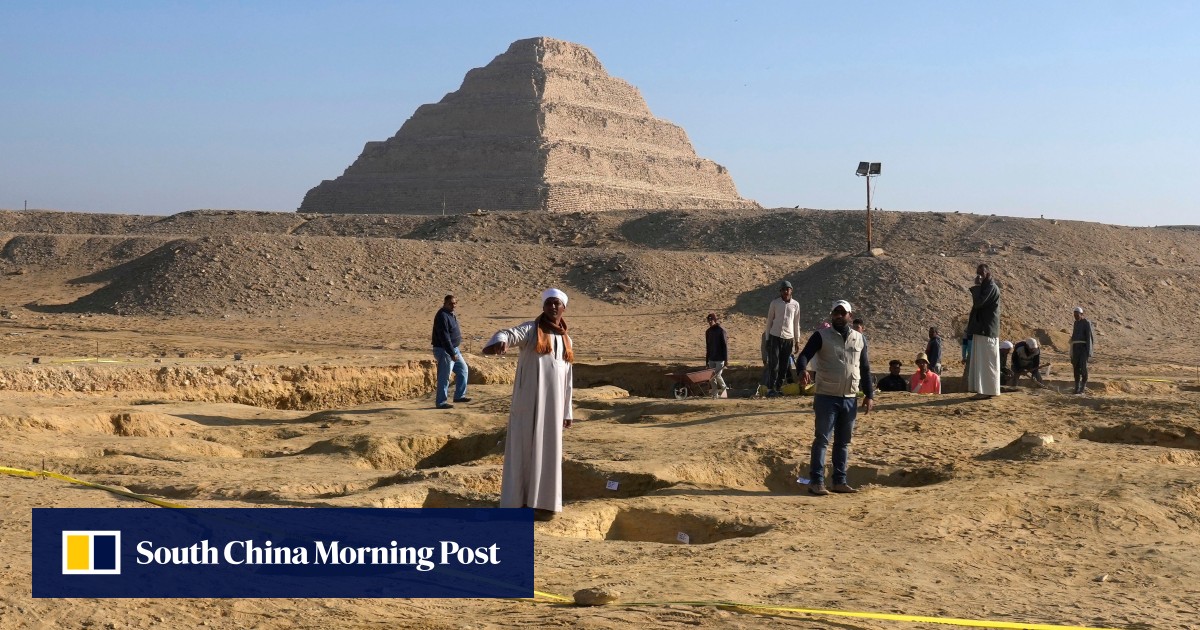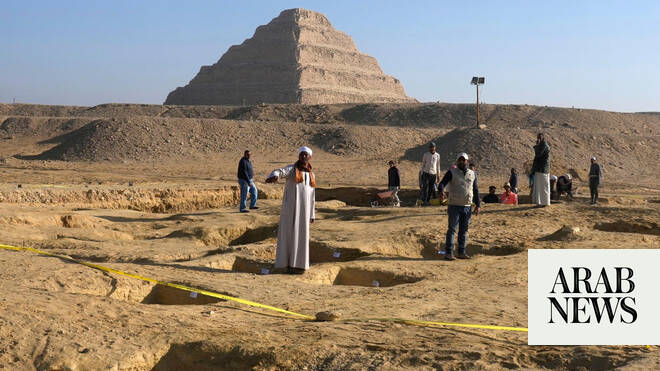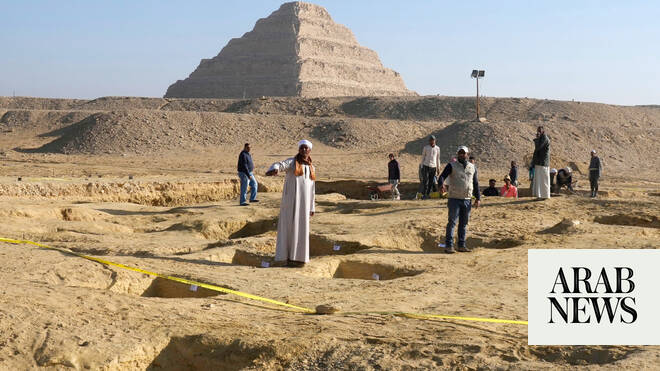
CAIRO: Egyptian antiquities officials on Sunday said a Pharaonic painting has disappeared from the famed Saqqara necropolis just outside of Cairo, becoming the latest artifact to disappear in a country known for its rich history.
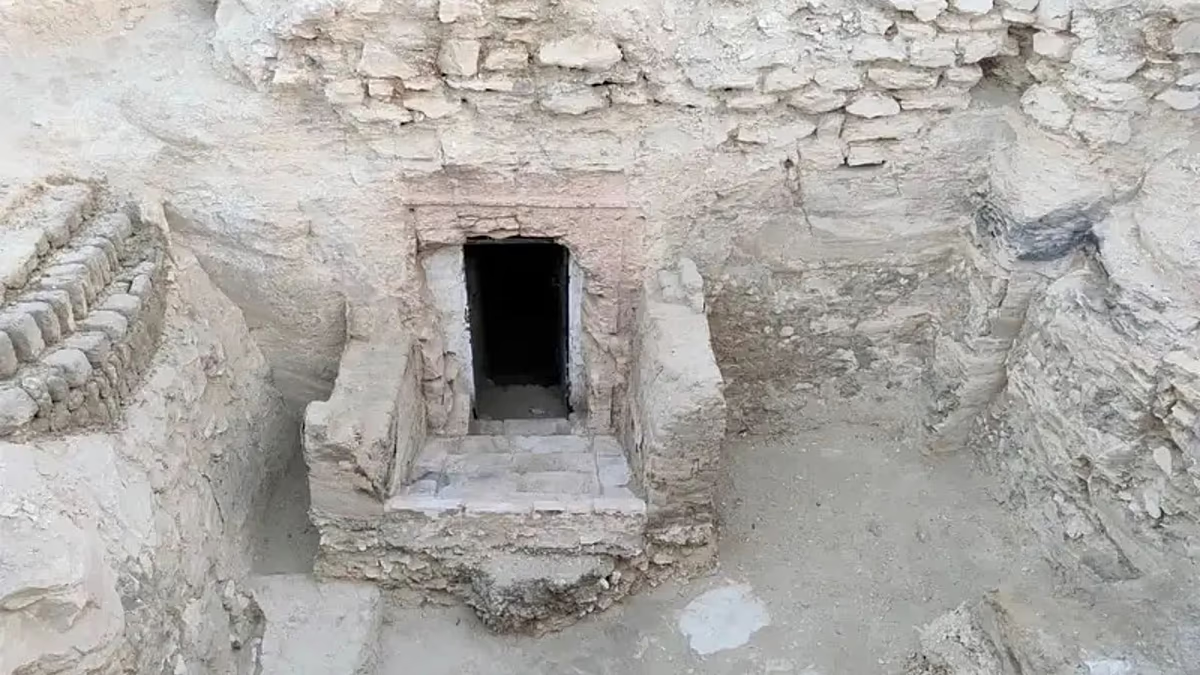
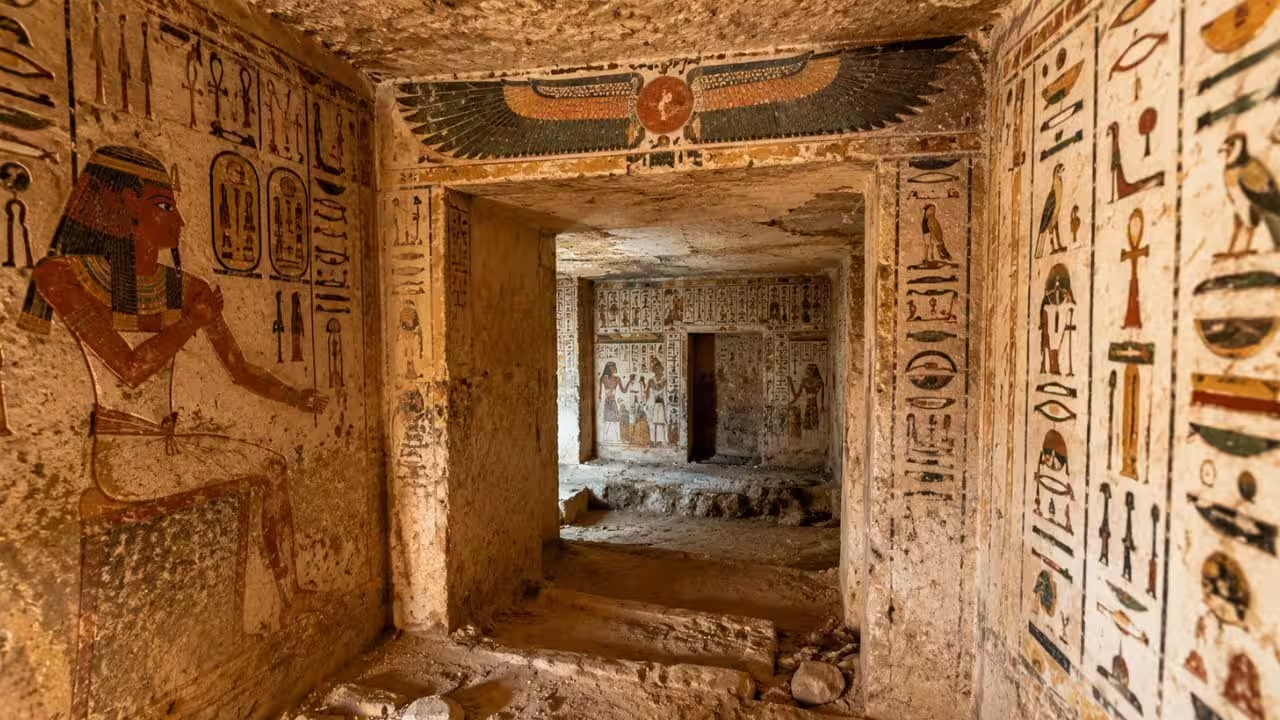
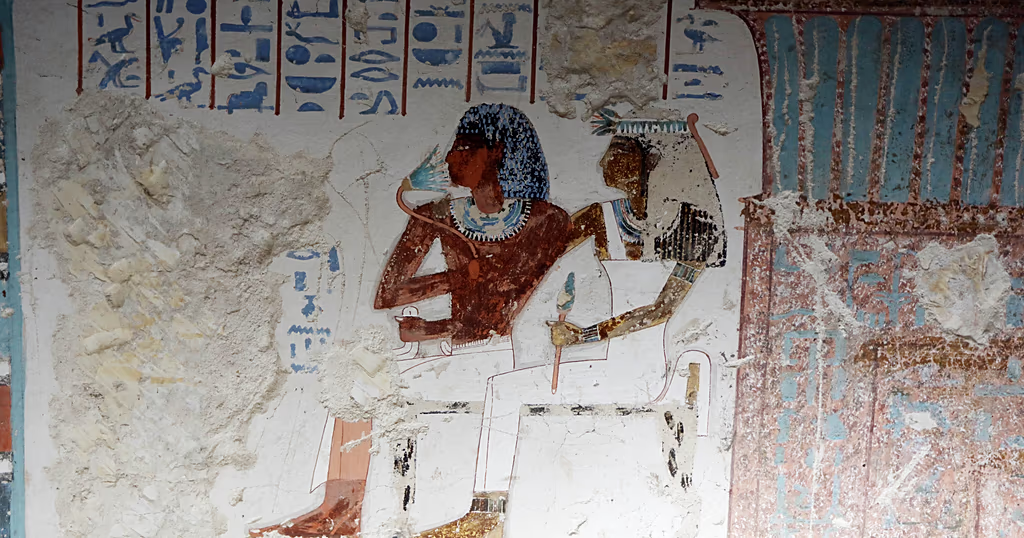
Mohamed Ismail, secretary-general of the Supreme Council of Antiquities, said the limestone painting was in the tomb of Khentika in the Saqqara necropolis.
The mastaba tomb, which housed the painting, was found in the 1950s, and hasn’t opened since 2019, he said in a statement. It dates back to the sixth dynasty of the ancient Old Kingdom — a period spanning roughly from around 2700 BC to 2200 B.C.
Ismail’s statement didn’t provide further details and said prosecutors were investigating the circumstances of the painting’s disappearance.
Egyptian media reported, meanwhile, that the painting exhibited the ancient Egyptian calendar which divided the year into three seasons mirroring the Nile River’s ebb and flow. It included the flooding season, Akhet, the planting season, Proyat, and the harvest season, Shomu.