To learn more about the CNBC CFO Council, visit cnbccouncils.com/cfo
With the Securities and Exchange Commission now pursuing President Trump’s request to consider a rule that ends the mandate that public companies file quarterly reports, there’s a lot to gain for companies in time and money, and a lot for the Big Four accounting firms to lose.
Trump originally proposed a switch to semi-annual reporting in a post on Truth Social a few weeks ago, saying it would “save money, and allow managers to focus on properly running their companies.”
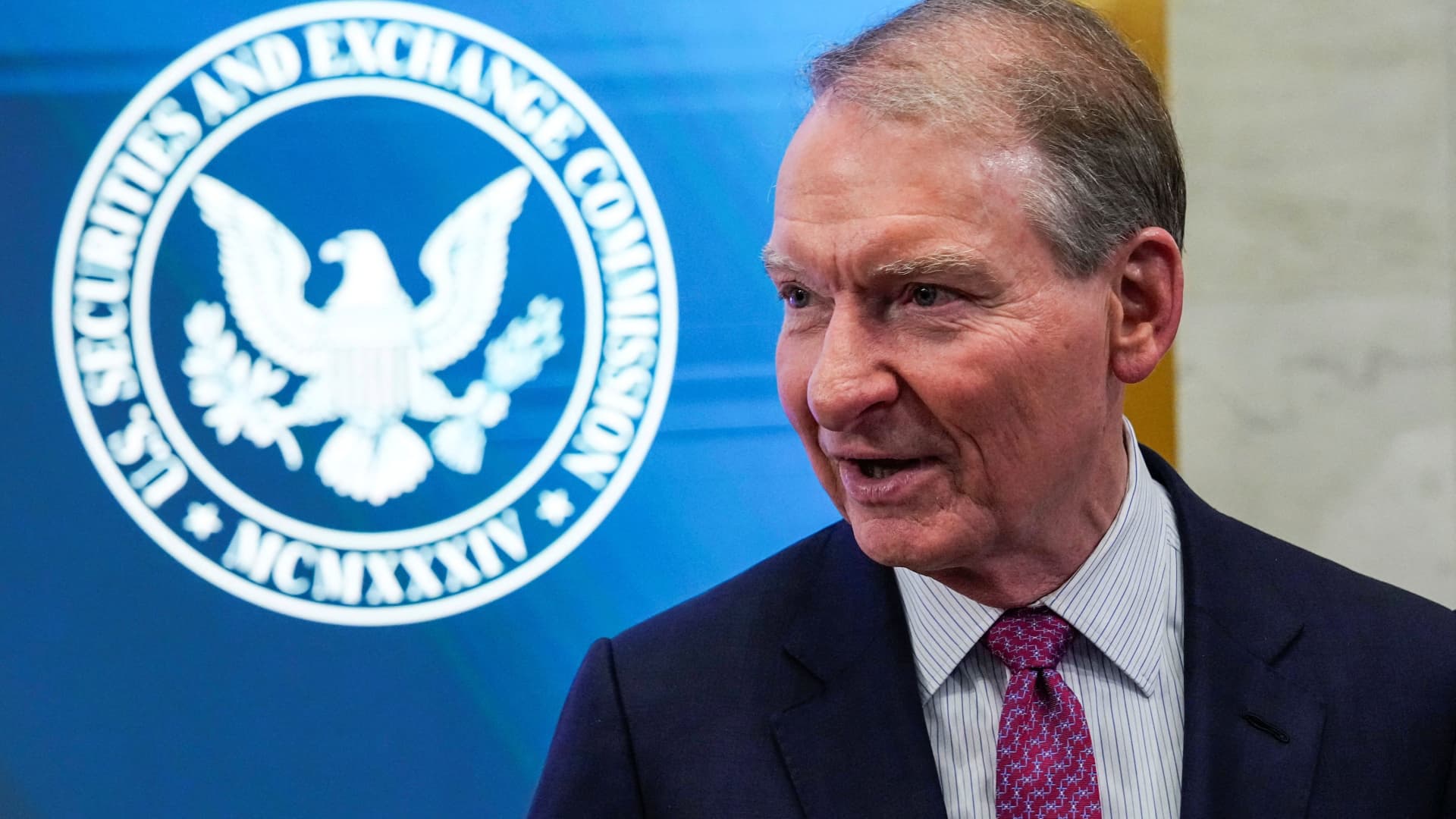
SEC Chair Paul Atkins told CNBC soon after that a rule proposal is underway, though he suggested any change would give companies the option to change their reporting schedule. “For the sake of shareholders and public companies, the market can decide what the proper cadence is,” Atkins said.
With semi-annual reports, companies could theoretically halve the considerable costs and labor associated with filing quarterly reports. But the independent, outside accounting firms, in particular the “Big Four” — Deloitte, EY, KPMG and PwC — that help prepare them stand to lose a major portion of their audit business. On average, it takes about 180 hours to prepare a requisite form 10-Q, at an expense that can vary from $50,000 for smaller companies to well over $1 million for large-cap enterprises. And that doesn’t include expenditures for internal audit teams and operations.