Why does a system that has drawn so much scepticism at Manchester United work so well at Crystal Palace?
S
ome fixtures just don’t sound right. Maybe it’s just about conceivable that, had things gone slightly differently in the 70s, Malcolm Allison or Terry Venables could have been leading their side behind the Iron Curtain for a crack at Valeriy Lobanovskyi’s cybernauts, but Dynamo Kyiv against Crystal Palace is still a clash that provokes a double-take. It feels like a category error: how can those two clubs possibly be in the same competition?
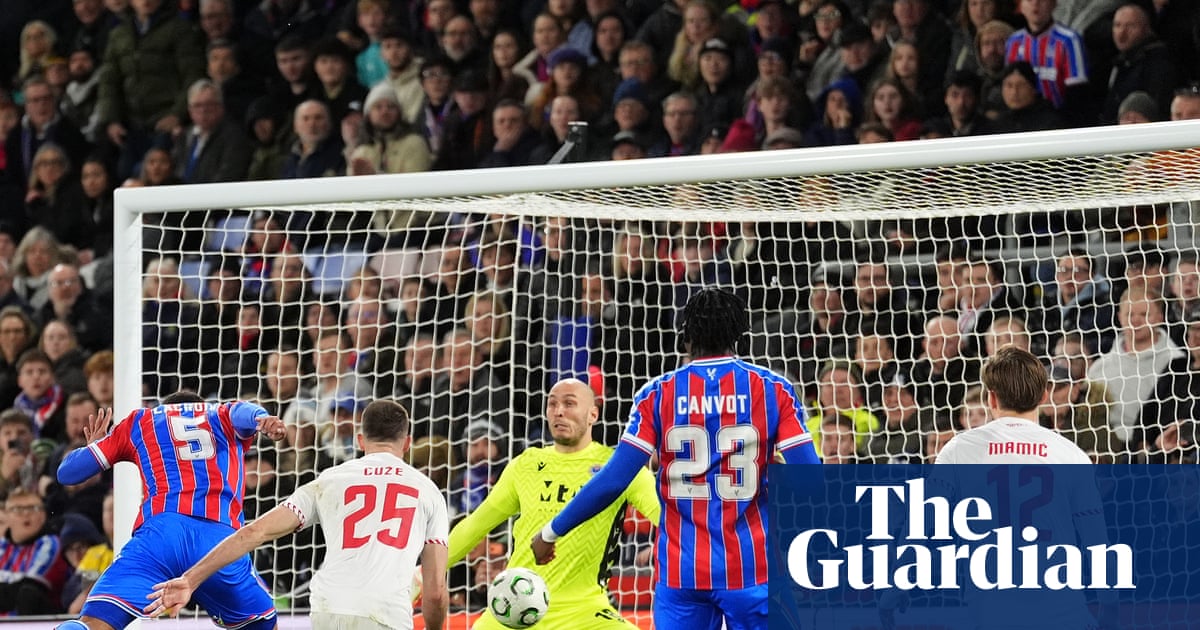
But this is the modern world. Ukraine is battling invasion, its teams diminished. The Premier League is extremely rich. And Crystal Palace are managed by one of the rising talents of the European game. They didn’t just play each other on Thursday, but Palace won with a degree of comfort. It was their third straight win, their 19th consecutive game without defeat.
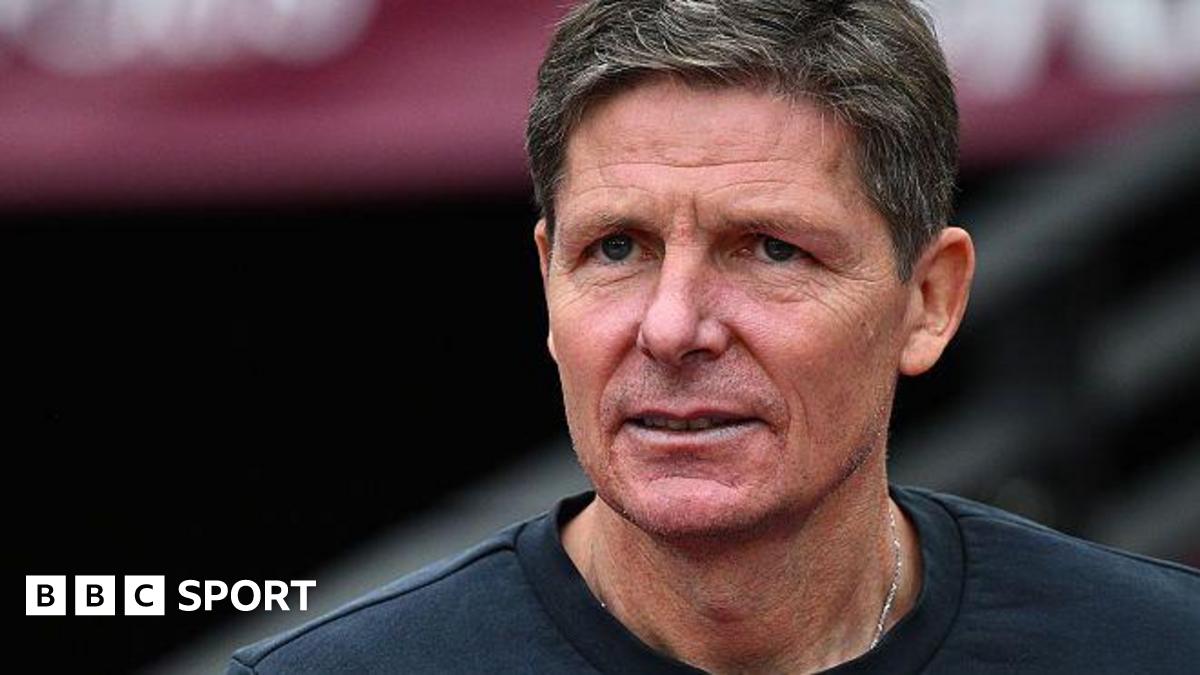
And so, because no mid-size club can even just be allowed to enjoy a good run, all the talk is of where Oliver Glasner might go next. His contract expires at the end of the season and he has refused to sign an extension. He is 51; if he is going to take over a major club with the possibility of an extended spell in charge, he doesn’t have a huge amount of time to secure a move. Could he then be the solution for Manchester United? He does, after all, play the same 3-4-2-1 as Ruben Amorim, just rather more successfully.