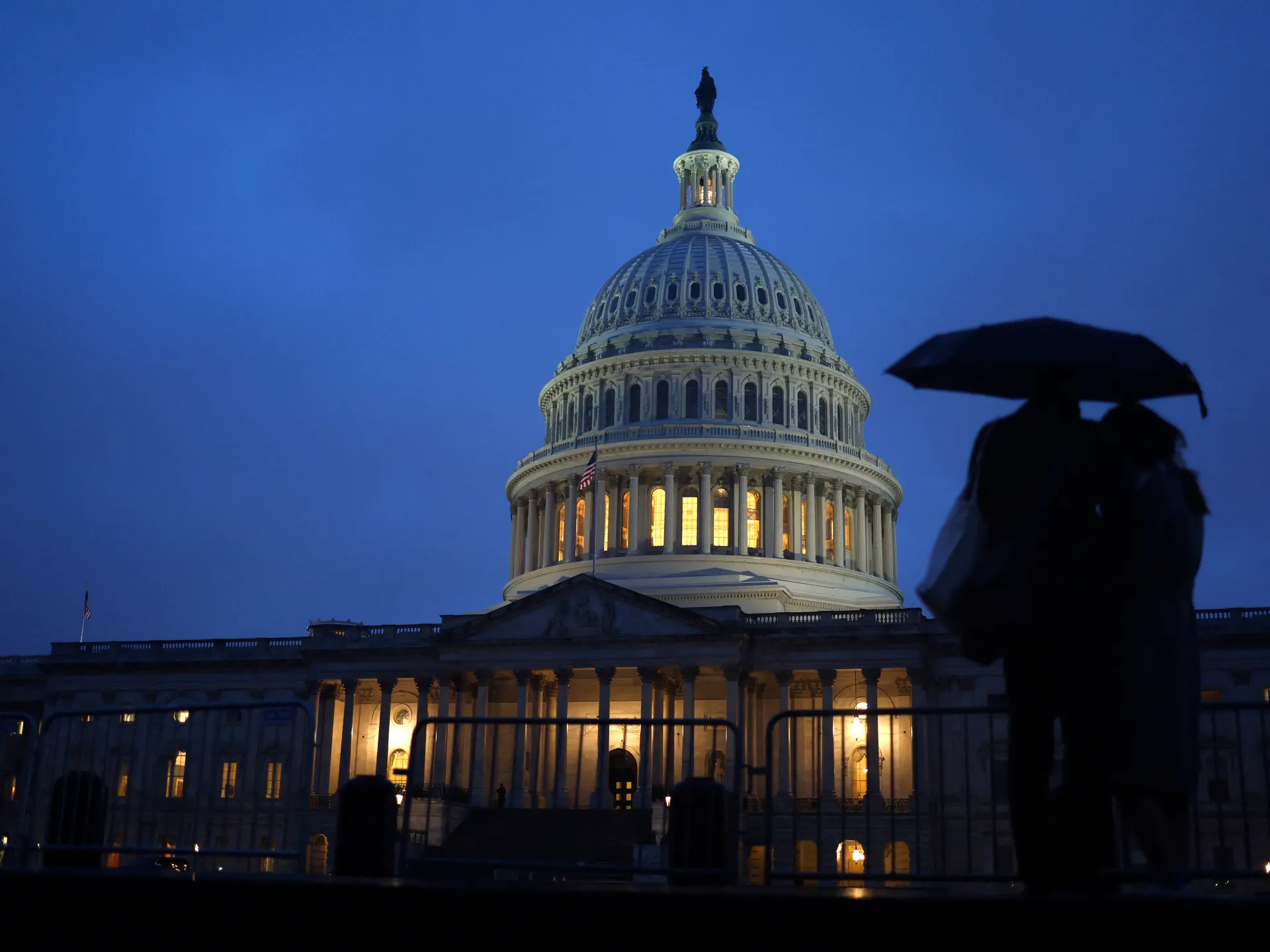
The government shutdown that began Wednesday will deprive policymakers and investors of economic data vital to their decision-making at a time of unusual uncertainty about the direction of the U.S. economy.
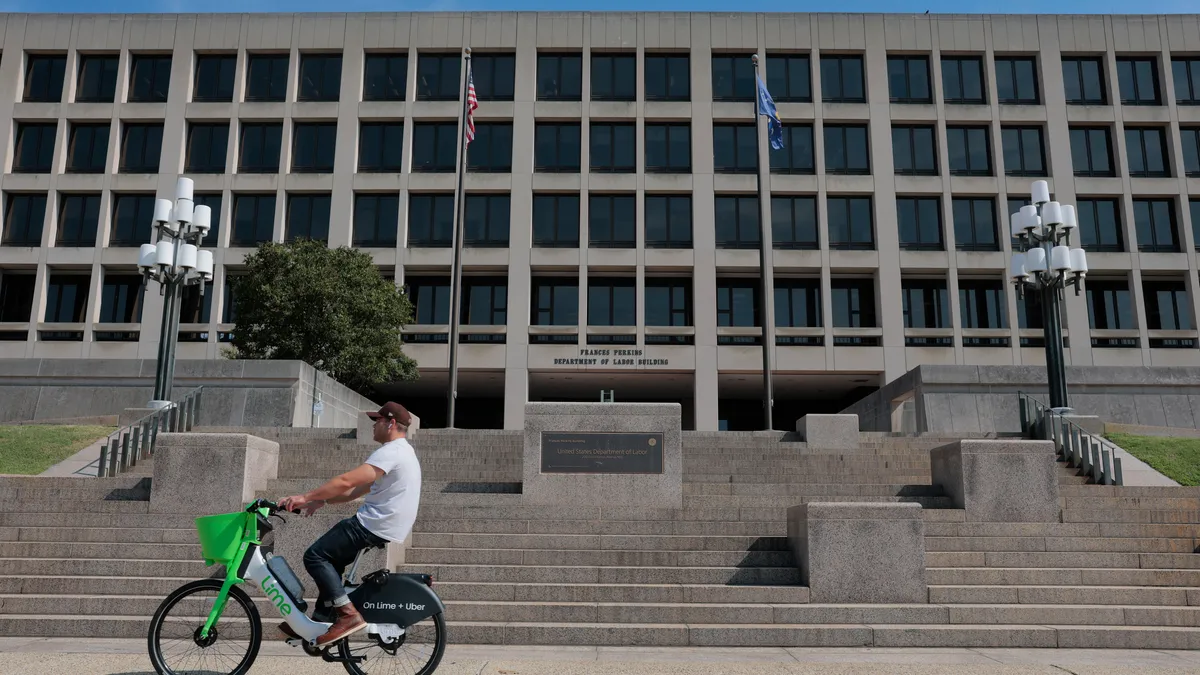
The absence will be felt almost immediately, as the government’s monthly jobs report scheduled for release Friday will likely be delayed. A weekly report on the number of Americans seeking unemployment benefits — a proxy for layoffs that is typically published on Thursdays — will also be postponed.
If the shutdown is short-lived, it won’t be very disruptive. But if the release of economic data is delayed for several weeks or longer, it could pose challenges, particularly for the Federal Reserve. The Fed is grappling with where to set a key interest rate at a time of conflicting signals, with inflation running above its 2% target and hiring nearly ground to a halt, driving the unemployment rate higher in August.
The Fed typically cuts this rate when unemployment rises, but raises it — or at least leaves it unchanged — when inflation is rising too quickly. It’s possible the Fed will have little new federal economic data to analyze by its next meeting on Oct. 28-29, when it is widely expected to reduce its rate again.