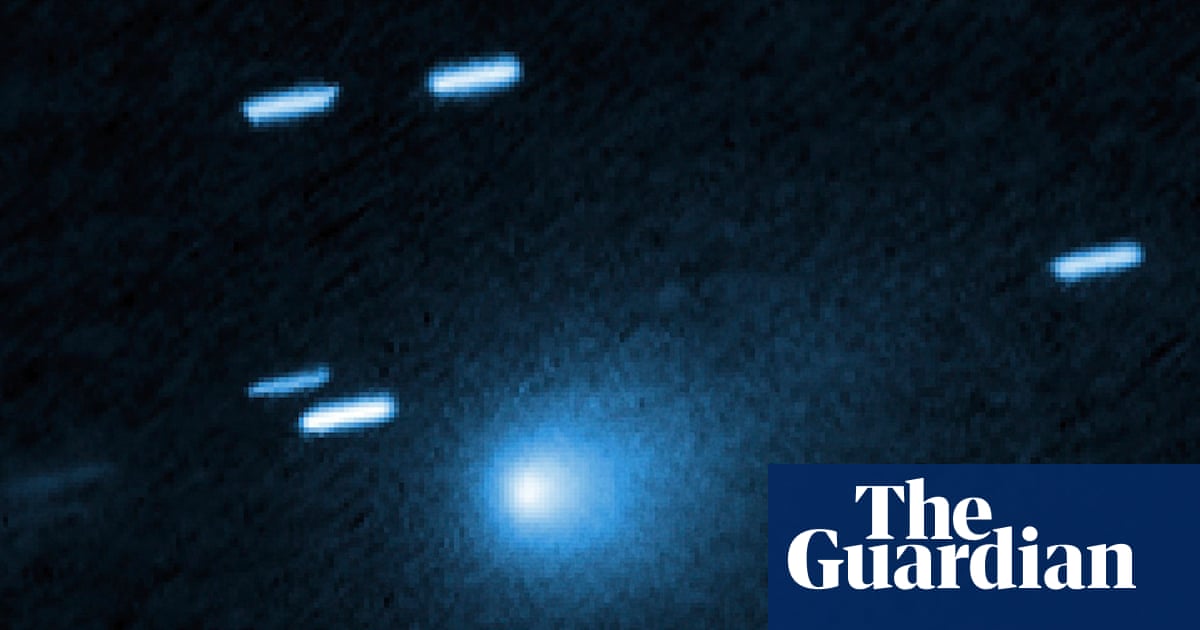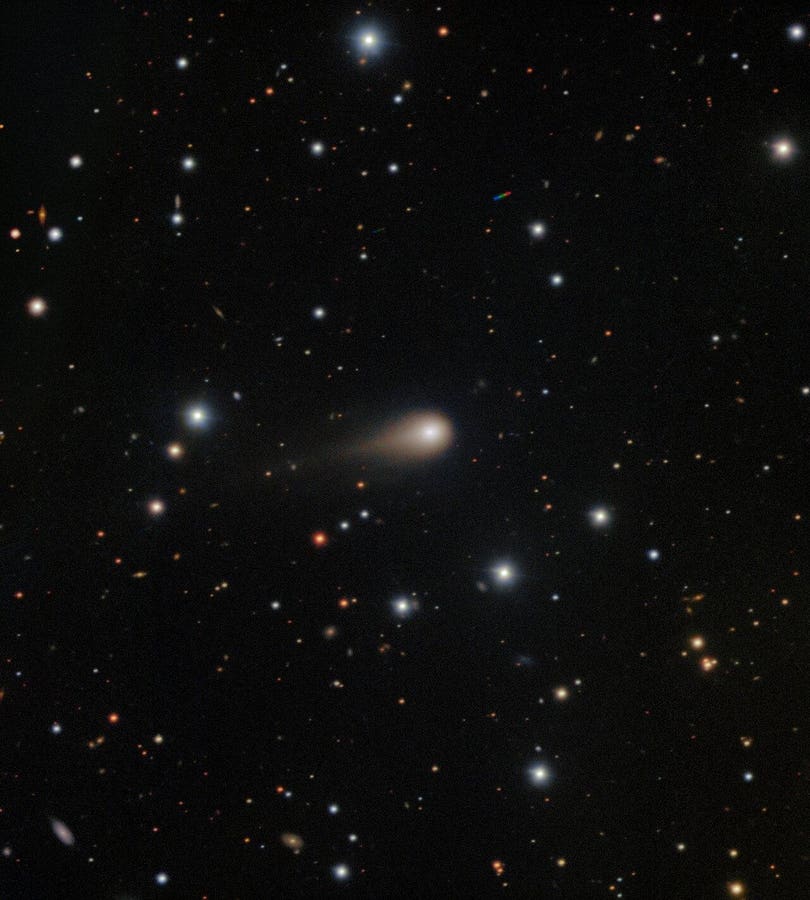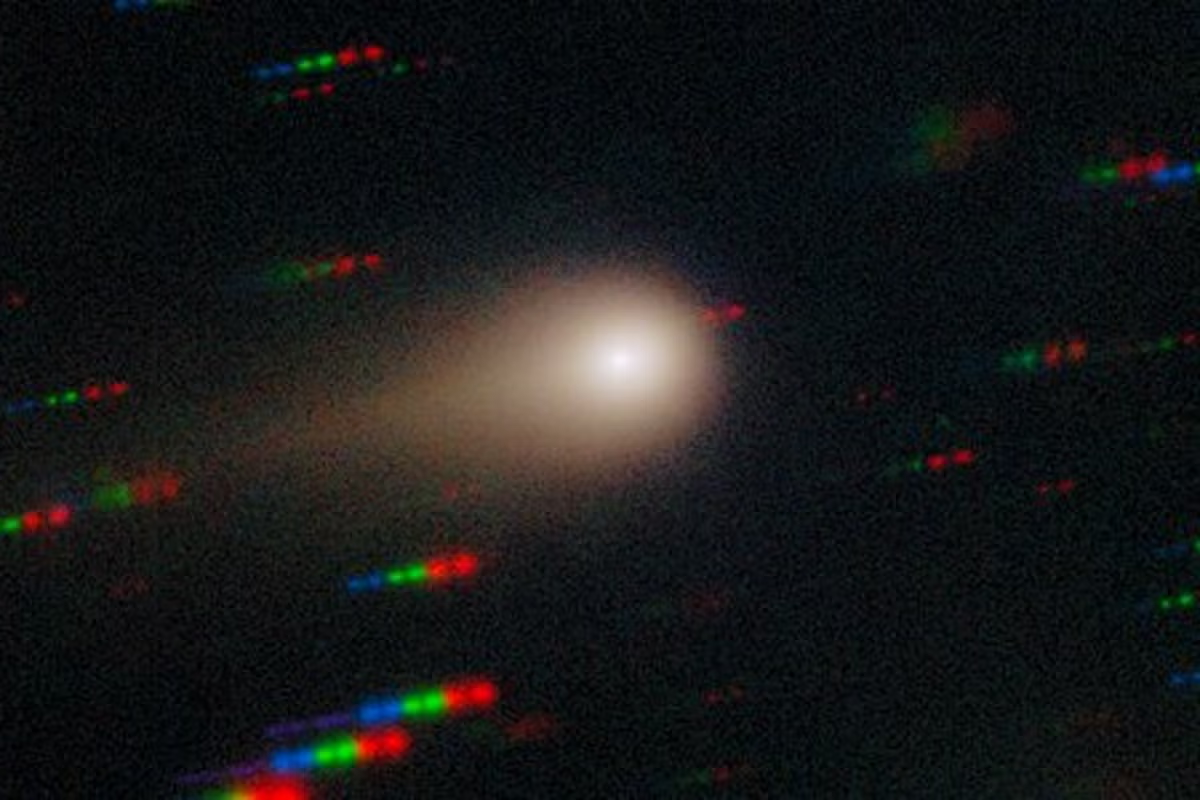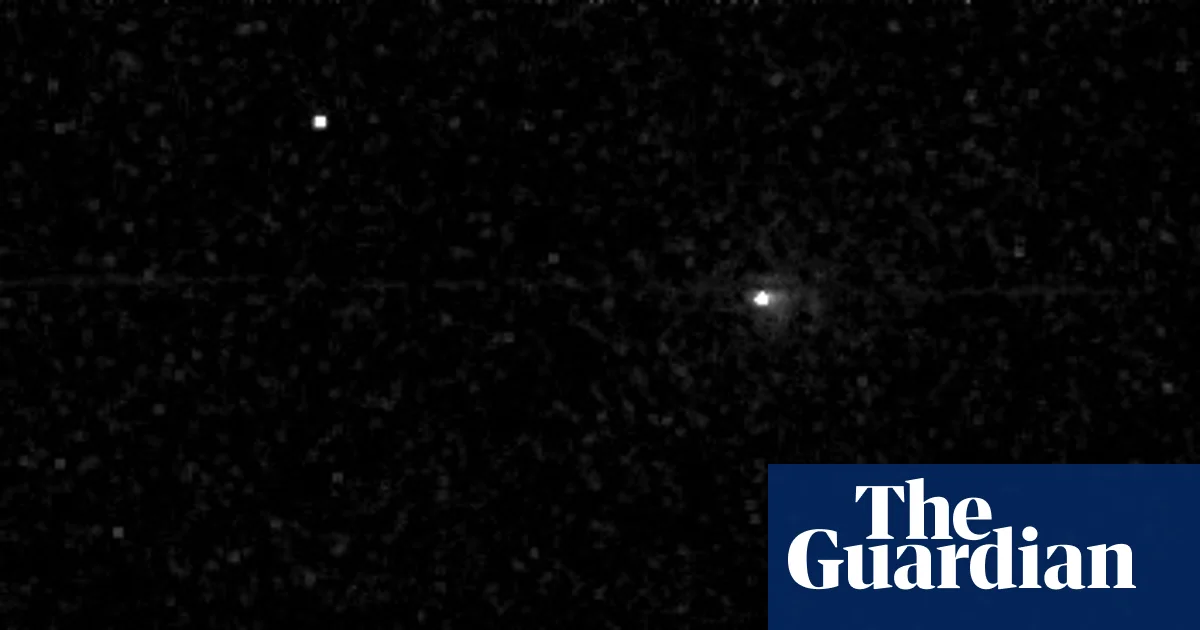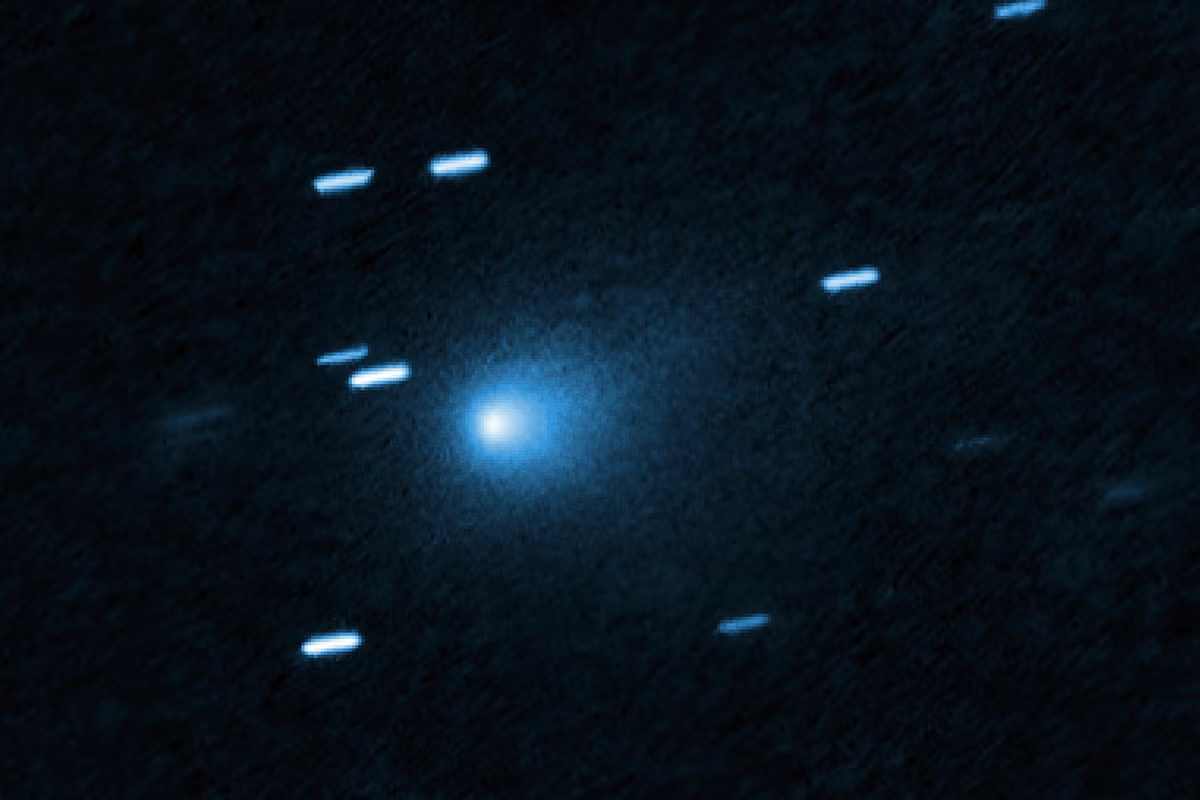
Stay up to date with notifications from The IndependentNotifications can be managed in browser preferences.Jump to contentThank you for registeringPlease refresh the page or navigate to another page on the site to be automatically logged inPlease refresh your browser to be logged inAllNewsSportCultureLifestyleInterstellar comet 3I/Atlas is poised to make a dramatic close approach to Mars this Friday, marking only the third such object known to traverse our cosmic neighbourhood. The comet will pass within 18 million miles (29 million kilometres) of the Red Planet, travelling at a staggering speed of 193,000 mph (310,000 kph). Both the European Space Agency's and NASA's spacecraft and rovers orbiting and stationed on Mars have begun training their instruments on the rare visitor. Observations by the Hubble Space Telescope suggest the comet's nucleus measures no more than 3.5 miles (5.6 kilometres) across, with NASA indicating it could be as small as 1,444 feet (440 metres). The comet poses no threat to Earth or its planetary neighbours, and will reach its closest point to the Sun by the end of October, with its closest approach to Earth occurring in December. In fullScientists to get closest look yet at mysterious object as it blasts past MarsThank you for registeringPlease refresh the page or navigate to another page on the site to be automatically logged inPlease refresh your browser to be logged in
Interstellar comet set to shoot past Mars
Stay up to date with notifications from The IndependentNotifications can be managed in browser preferences.Jump to contentThank you for registeringPlease refresh the page or navigate to another page on the site to be automatically logged inPlease refresh your browser to be logged inAllNewsSportCultureLifestyleInterstellar comet 3I/Atlas is poised to make a dramatic close approach to Mars this Friday, marking only the third such object known to traverse our cosmic neighbourhood. The comet will pass within 18 million miles (29 million kilometres) of the Red Planet, travelling at a staggering speed of 193,000 mph (310,000 kph). Both the European Space Agency's and NASA's spacecraft and rovers orbiting and stationed on Mars have begun training their instruments on the rare visitor. Observations by the Hubble Space Telescope suggest the comet's nucleus measures no more than 3.5 miles (5.6 kilometres) across, with NASA indicating it could be as small as 1,444 feet (440 metres). The comet poses no threat to Earth or its planetary neighbours, and will reach its closest point to the Sun by the end of October, with its closest approach to Earth occurring in December. In fullScientists to get closest look yet at mysterious object as it blasts past MarsThank you for registeringPlease refresh the page or navigate to another page on the site to be automatically logged inPlease refresh your browser to be logged in