By BY MARK NICOL DEFENCE EDITOR Published: 13:01 BST, 3 October 2025 | Updated: 13:25 BST, 3 October 2025
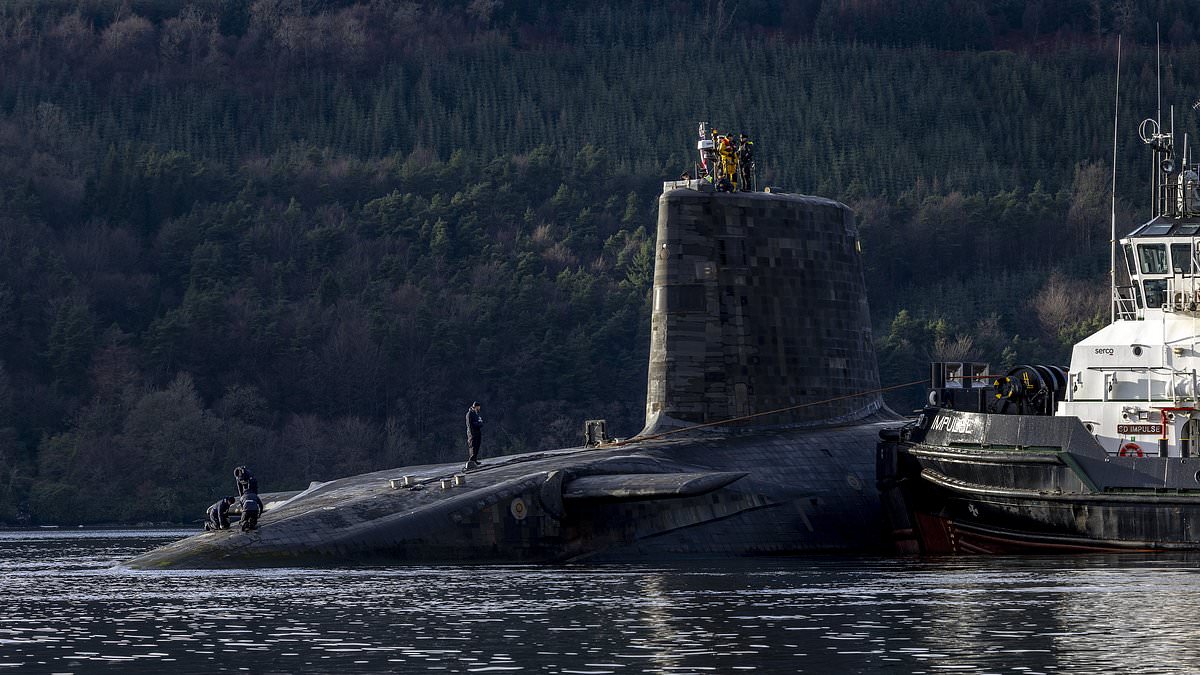
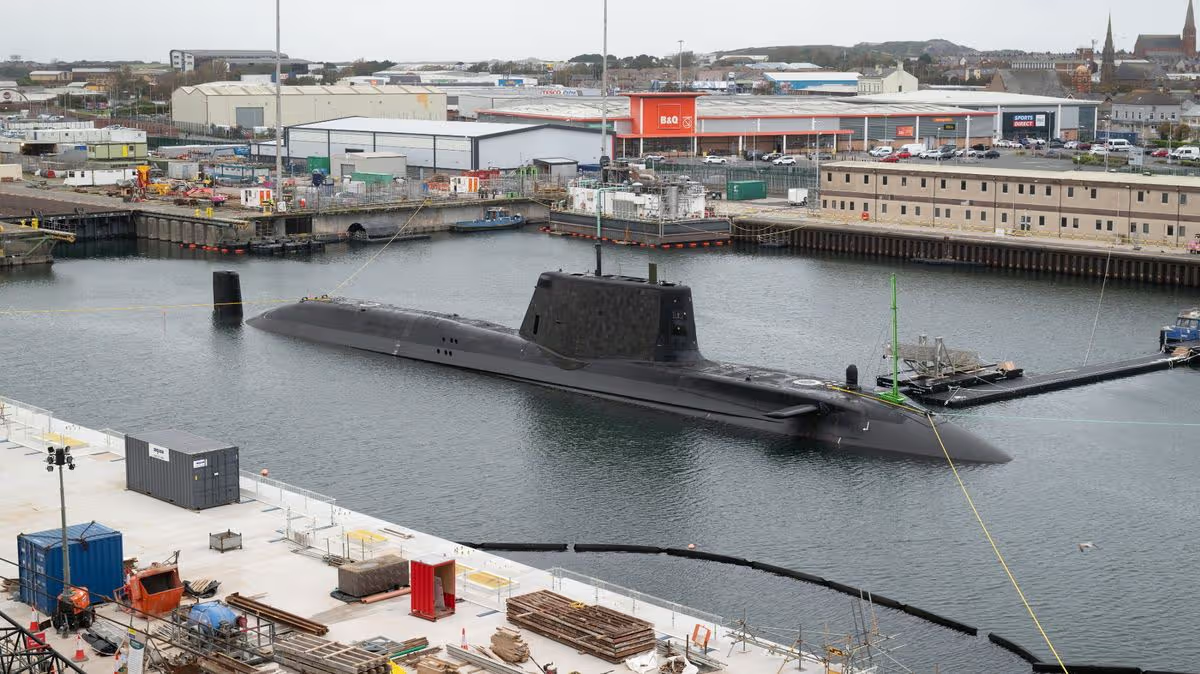
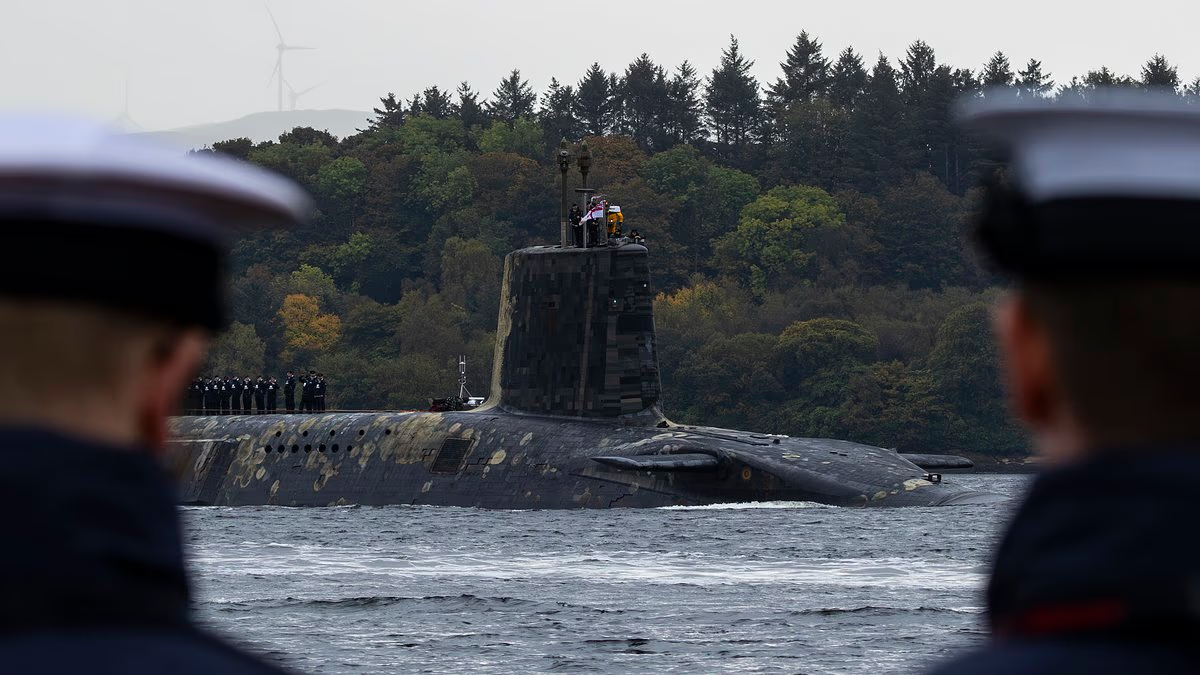
An ageing Royal Navy nuclear submarine has completed a 200-day patrol amid fears of shortages of alternative vessels.The Vanguard class submarine was welcomed back to port with her hull covered in slime and barnacles.The marine growth indicated how long the submarine – which carries the UK’s nuclear deterrent - had spent submerged.Nuclear submarines remain undetected by spending the majority of their time on patrol at very slow speed. This is to minimise their noise signature.Biofouling as it is also known, can also indicate a submarine has been operating in either shallower or warmer waters.Nuclear submarine patrols are being extended as Navy chiefs await new vessels.This submarine was understood to have spent 203 days at sea. Earlier this year another spent 204 days at sea.While only last year another Vanguard-class submarine broke the 200 day barrier for the first time. At least ten patrols are understood to have exceeded five months. The hull casing of the Vanguard-class submarine was covered by barnacles and slime, suggesting the vessel spent long periods on the oceanic floor Earlier this year, the Prime Minister Sir Keir Starmer welcomed submariners from a different Vanguard class boat to Downing Street to celebrate their achievements. Replacements for ageing UK submarines are being build at British shipyardsThe trend for extended patrols is dangerous according to Admiral Sir Tony Radakin, the recently retired former Chief of the Defence Staff (CDS).In his final speech he decried the decrepit state of the Royal Navy’s subsurface fleet at a time when the world is getting more dangerous.In September Admiral Sir Tony said: ‘Our armed forces are not as strong as we would wish. There is something wrong when governments profess the nuclear deterrent at sea is our highest priority but our sailors are having to put to sea for extraordinarily long patrols in some of the most complex machines on the planet that are beyond their original design life.’The Vanguard class consists of four nuclear-powered ballistic missile submarines – HMS Vanguard, Vengeance, Victorius and Vigilant.These are powered by Rolls-Royce PWR2 reactors that converts water into steam to drive the engines and generate electricity.The oldest of the Vanguard class submarines first put to sea 33 years ago. The vessels have a recommended service life of 25 years.The physical strain on the Vanguard class submarines is mirrored by the psychological effects on their crews of spending six months and longer at sea.Each submarine has a crew of around 130 sailors and officersExperts have also warned of the growing risk of a catastrophic accident as parts are being cannabalised from other submarines which are more than 30 years old. Admiral Sir Tony Radakin, the former Chief of the Defence Staff, has criticised governments for failing to build replacement submarines in time. The control room inside HMS Vigilant, a member of the Vanguard class. The submarines carry the UK's continuous nuclear deterrent.While many senior commanders are known for only raising issues once they have left retired, Admiral Sir Tony insisted he pressed governments repeatedly about the submarines.The shortage of submarines is also compounded by the length of time it takes to conduct repairs.The Vanguards will be replaced by Dreadnought submarines – but these are not expected to enter service before the early 2030s.The Ministry of Defence said: ‘The Vanguard Class submarines currently provide a capable and credible nuclear deterrent, safeguarding the UK and our NATO allies by deterring the gravest threats to our security.‘Deployed globally to protect national interests, they keep us safe, and we remain deeply grateful to all who serve and their families for their dedication.’