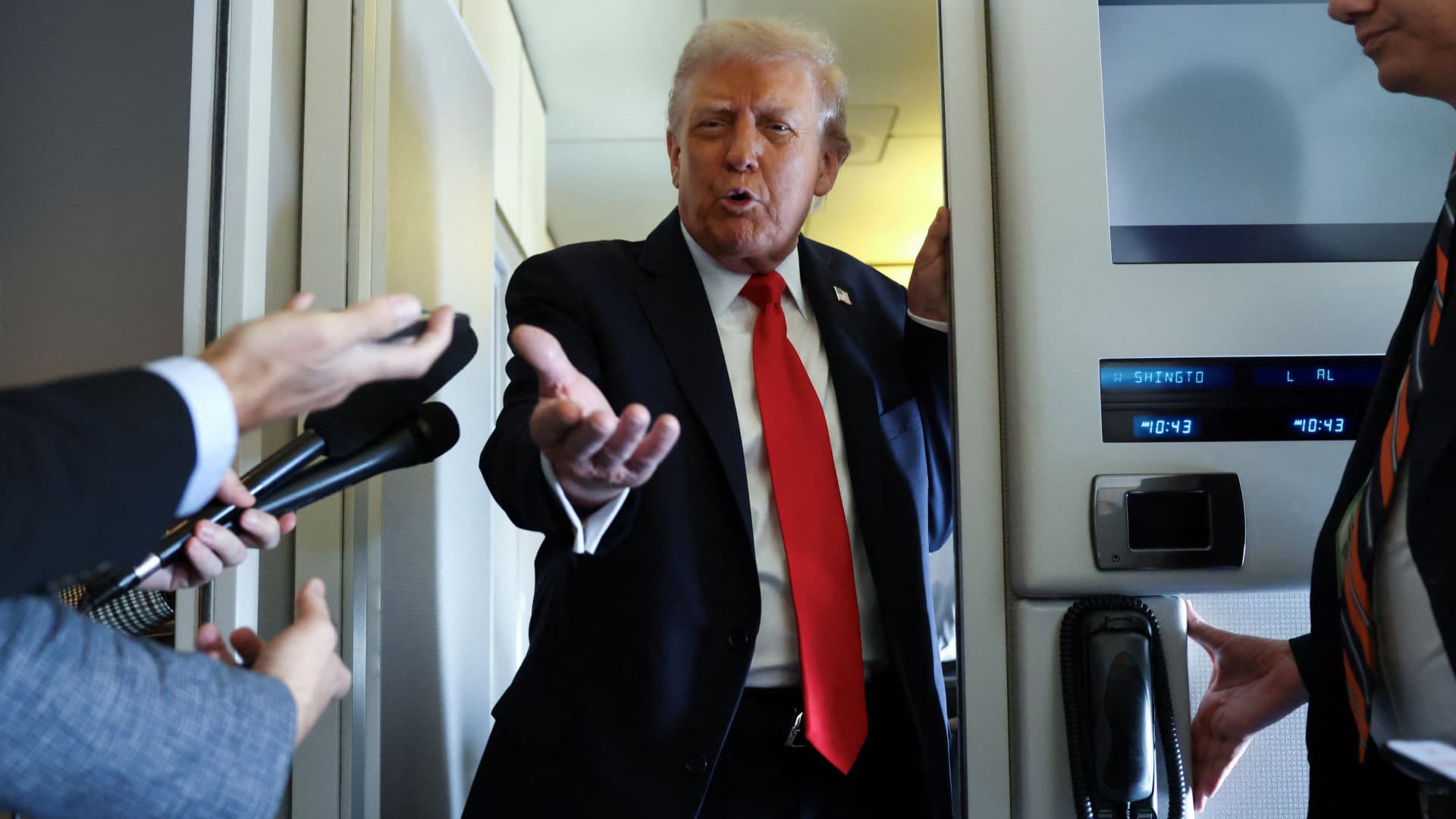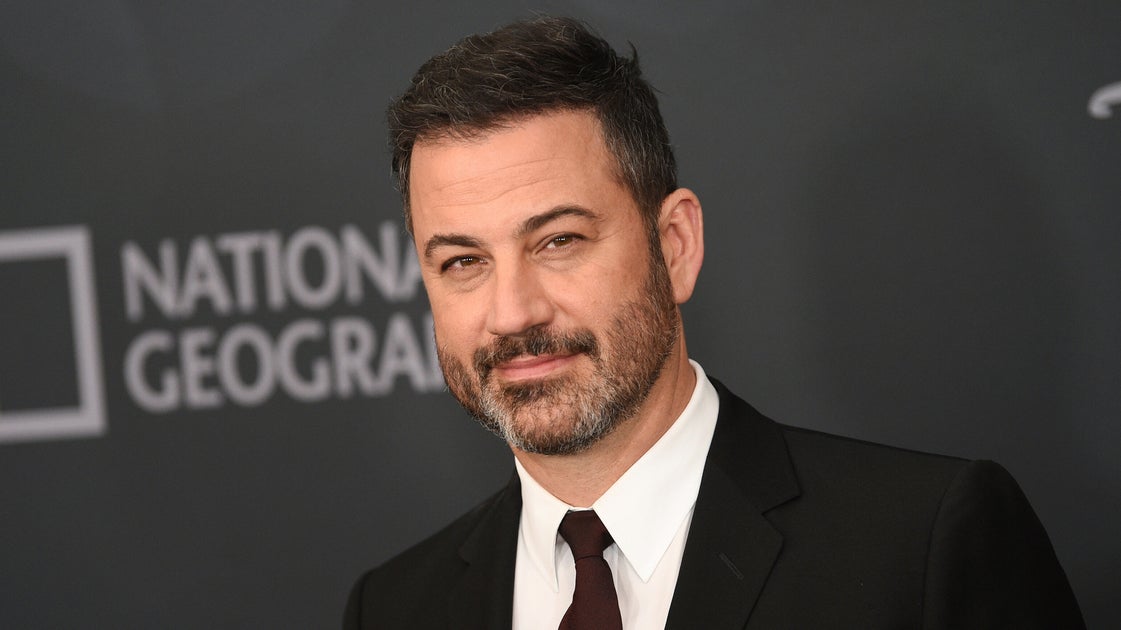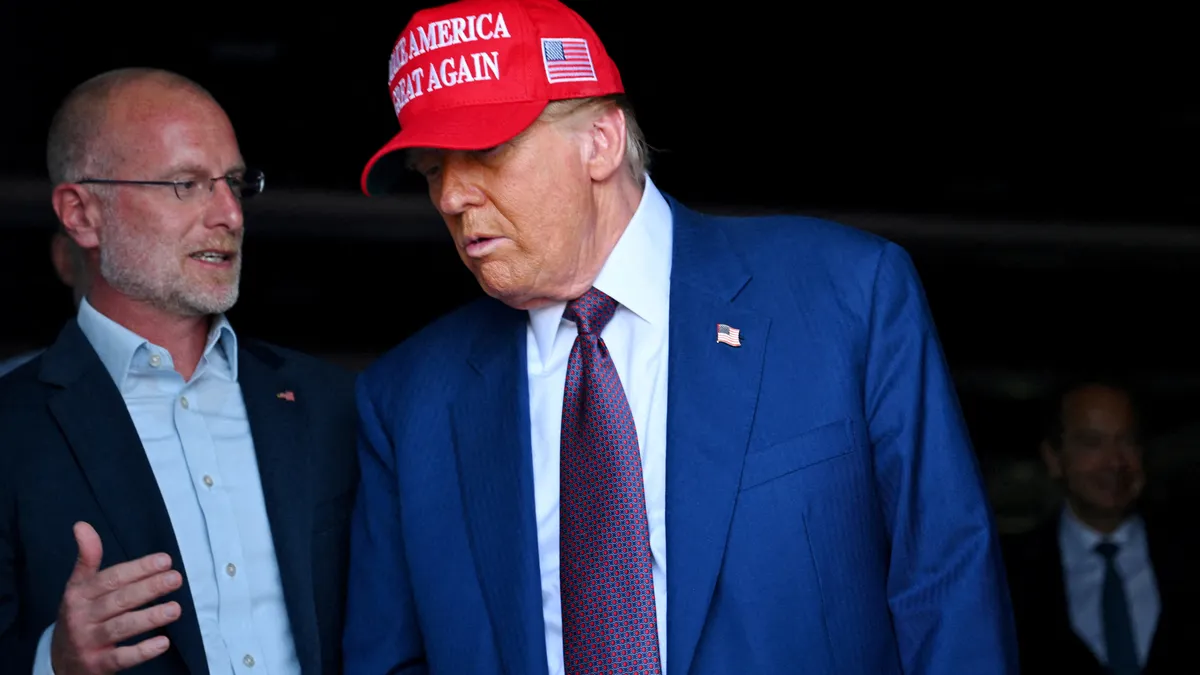
The Trump administration has been seeking greater power over independent agencies. But if the president controls the FCC, will speech be free?Show Caption
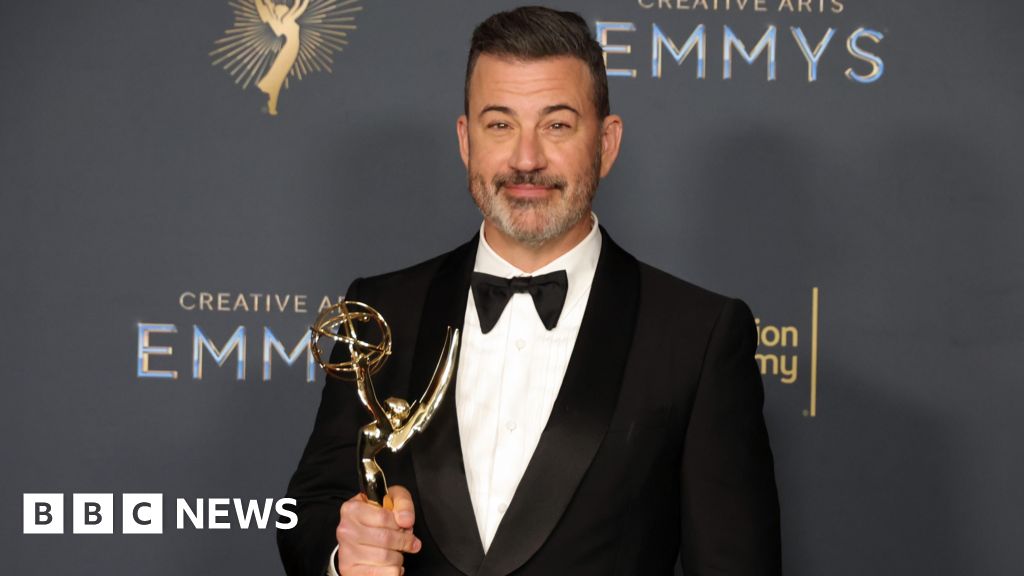
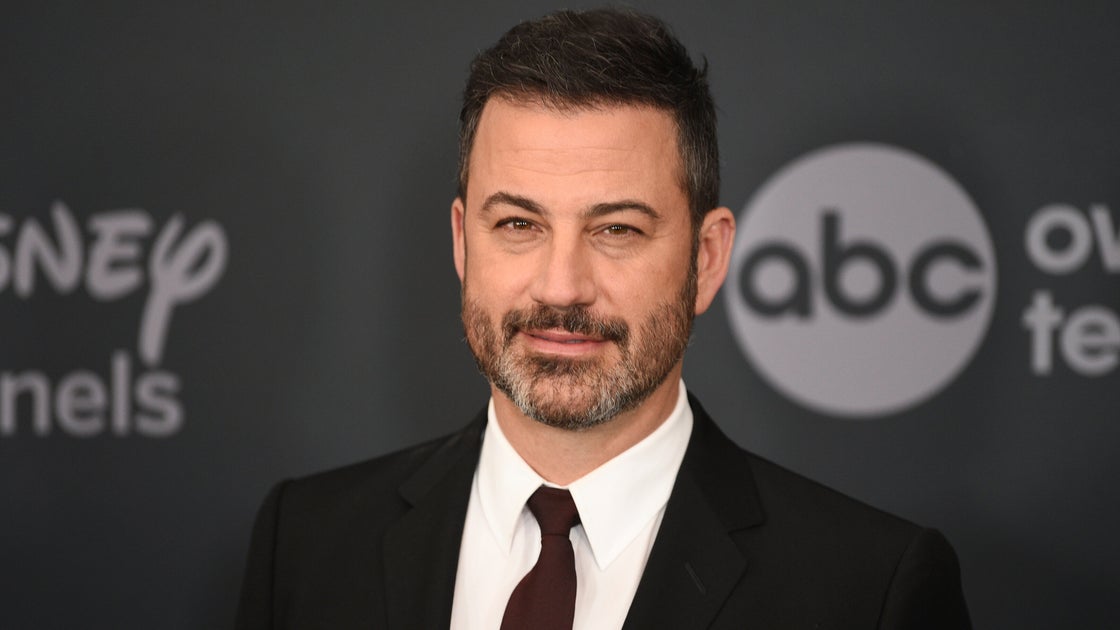
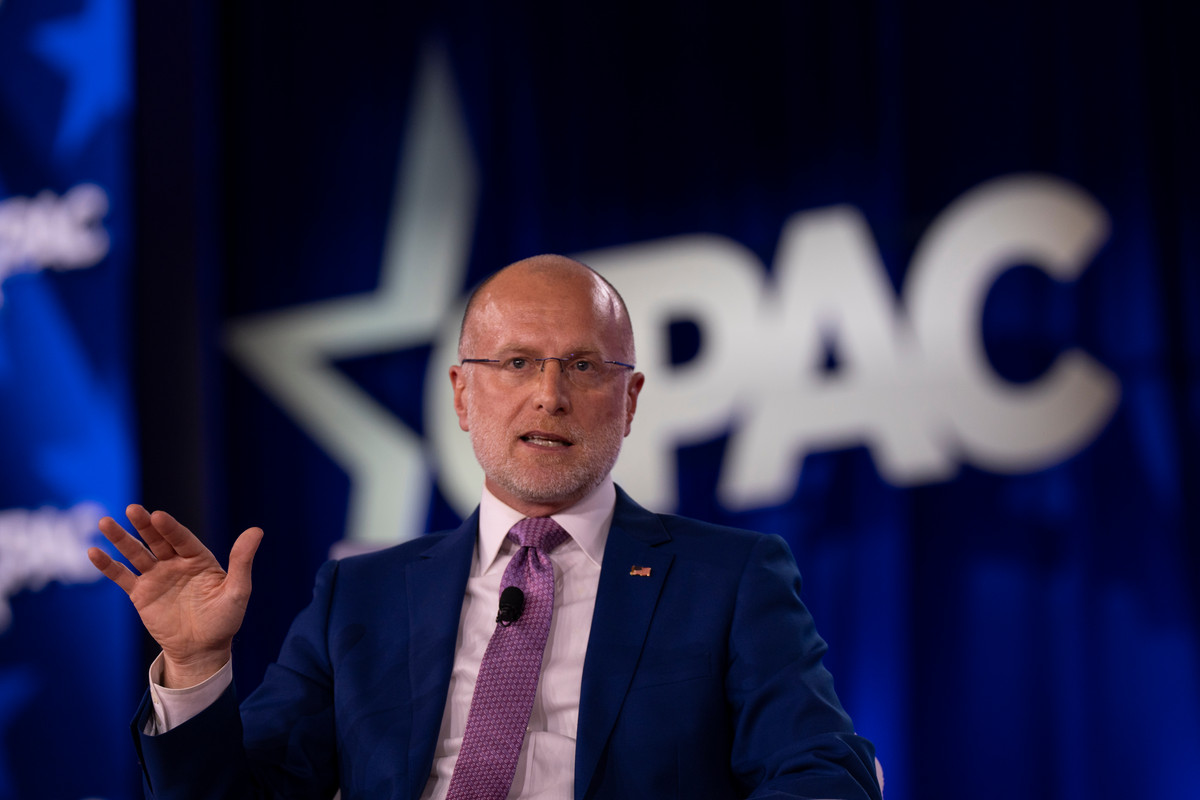
When Donald Trump suggested revoking the government-issued broadcasting licenses for television stations that cover him negatively, he stepped over a line that many presidents before him dared not cross.He ventured into the business of an agency − the Federal Communication Commission − that Congress created 91 years ago to be independent from presidential influence. No president has ever fired a commissioner, and many commissioners have been outspoken advocates for free speech.But if Trump has his way, he will have more power over the FCC in the near future. That’s because his administration has been pushing to get more control over independent agencies, and so far, they’re winning.If they're successful in court in the next several months, the administration would upend the federal government's administrative state and make independent agencies like the FCC more like any other Cabinet agency that takes orders from the president.On Sept. 17, FCC Chairman Brendan Carr, who has positioned himself closely to Trump, said there would be “a lot of work” for the FCC if companies that aired late night comedian Jimmy Kimmel didn’t "take action" over Kimmel's comments related to the suspected shooter of conservative activist Charlie Kirk."This is a very, very serious issue right now for Disney," Carr said, referring to the parent company of ABC, which broadcasts "Jimmy Kimmel Live!" "We can do this the easy way or the hard way." (Carr later said he never threatened anyone's broadcast license, but Trump suggested punishing unfavorable broadcasters the next day.)Disney temporarily suspended Kimmel's show before reinstating him, but people on the left and the right alike became concerned about infringing on free speech."It might feel good right now to threaten Jimmy Kimmel, but when it is used to silence every conservative in America, we will regret it,” said Sen. Ted Cruz, a Republican. “In real time we are seeing what happens when that wall of independence is torn down and an agency commissioner who is supposed to be independent under the law appears to be answering directly to the president,” Michael Sozan, a senior fellow at the Center for American Progress, a liberal think tank.The FCC and White House did not provide comment for this story, but Trump called Carr "a great American patriot" and said he disagreed with Cruz's comments.The unitary executiveThe Supreme Court will hear a case in December in which the Trump administration is seeking to reverse a precedent that protects many of these board members from at-will firing by the president, and legal scholars say the writing has been on the wall for years for the majority-conservative court to side with the Trump administration.The Trump administration is setting the legal groundwork to gain control over dozens of independent agencies similar to the FCC by firing members of independent boards, getting sued, and then telling the courts the agencies unlawfully stepping on his rights as the nation’s sole executive.Underlying all of this is the unitary executive theory that says executive power lies solely with the president, and the people who wield it on his behalf should be able to be fired by him. That often includes making rules and policies on issues ranging from the safety of kids' toys to what Americans can watch on TV.For example, the Securities and Exchange Commission, which is designed to protect investors and keep financial markets fair, is one of more than two dozen agencies that are legally similar to the FCC. So is the National Credit Union Administration, where Trump fired Democratic members in April, and the Federal Election Commission."You can agree with the agency action, you can disagree with the agency action, but at the end of the day, you know whom to hold accountable for the actions that agency has taken," is how Zack Smith, a senior legal fellow at the conservative Heritage Foundation, described Trump administration's position.Smith said that vision of presidential power goes back to the framers of the Constitution and it would apply to all presidents "whether you have a Republican in office, whether you have a Democrat in office, whether you have an independent in office."Thomas Berry, the director of constitutional studies at the libertarian Cato Institute, says he supports the unitary executive theory and wants independent agencies to look more like Cabinet agencies, which implement the president's agenda, and whose leaders can be fired by the president. Any power they currently have that is similar to a judge − such as when the Securities and Exchange Commission hears and decides on an appeal from a court − should go to the courts, he says.“It’s not so much that we’re pro the executive branch having lots of power,” said Berry, who generally agrees with the unitary executive theory. “In fact, I think the executive branch has too much power. It’s an issue of – whatever power it does legitimately hold, should that all be concentrated in the president who’s elected by the people?”Mitchel Sollenberger, a political science professor at University of Michigan who wrote a book that calls the unitary executive theory "A Danger to Constitutional Government," said the theory is “taking one value in the Constitution and injecting it full of steroids.”Sollenberger said the nation’s founders did choose to have a single executive, and even considered having more than one before abandoning that plan, but the modern unitary executive theory ignores the checks and balances that come from the legislative and judicial branch and the intermixed power that creates.“Once you get away from checks and balances and accountability, you’re not a stone’s throw away from a dictatorship and fascist ends,” Sollenberger said.Would a unitary executive affect the FCC?Experts agree that Trump would gain more power over the FCC if courts give him the power to fire the commissioners who run the agency. But that doesn’t mean they agree with Carr’s decision to threaten a broadcaster over a late night comedian’s comments.Sozan said the broad power of the FCC could be used to control much of what Americans see or hear: licensing authority over broadcasters, approving mergers and acquisitions among major media companies, interpreting a legal provision that affects social media companies, and making sure that broadcasters operate in the public interest“The FCC is one of the agencies that is uniquely weaponizable by a president,” he said. “The FCC under the direction of a chairman like Chairman Carr can take huge steps toward infringing on one of our absolutely most cherished rights and freedoms, which is freedom of speech.”Berry said there are “a ton of indications” that the Carr’s actions “crossed a line to an unconstitutional First Amendment violation because it was coercing a private company to take action.” He said handling that issue requires a strong judiciary to be a check on executive power.However, he cautioned that someone would need to sue the FCC, and it’s not clear who would have the legal right. He also questioned who would have the willpower or the money to do so. “So often, big companies don’t want to get on the bad side of the administration,” he said.Brent Skorup, a legal fellow at the Cato Institute who once worked for the FCC, said presidents such as Franklin D. Roosevelt, John F. Kennedy Jr. and Richard Nixon have all put pressure on the agency to do what they want. The revelations came out years after their presidencies ended. “I can’t recall a president doing it publicly,” he said. “It did happen privately. I don’t know which is worse, frankly.”