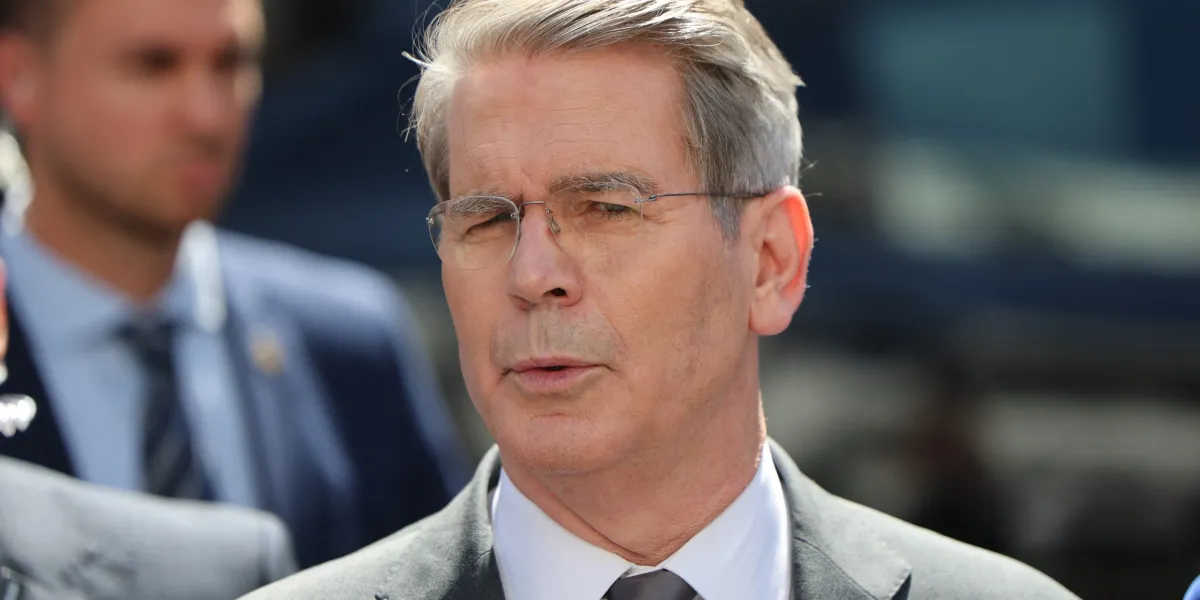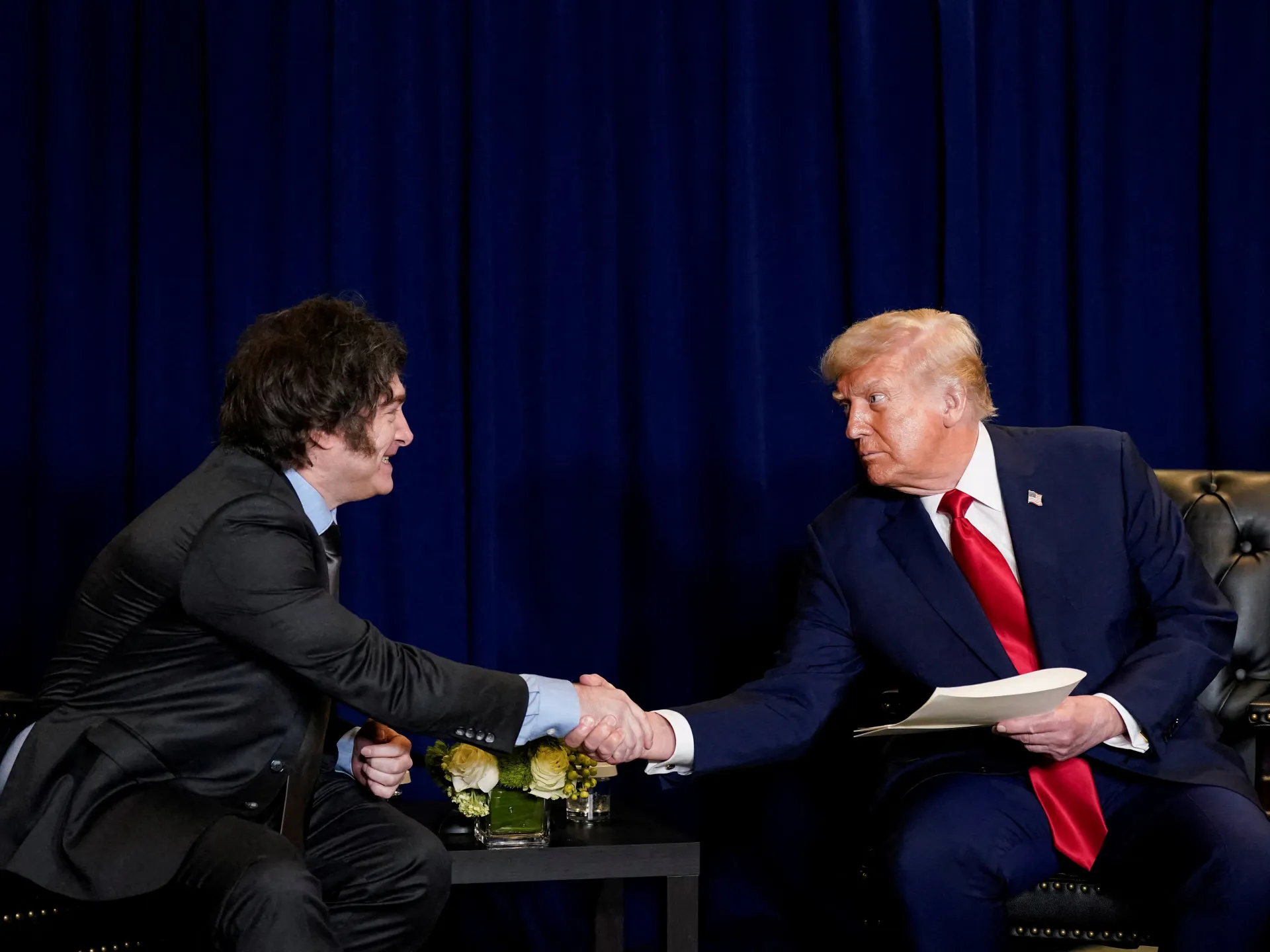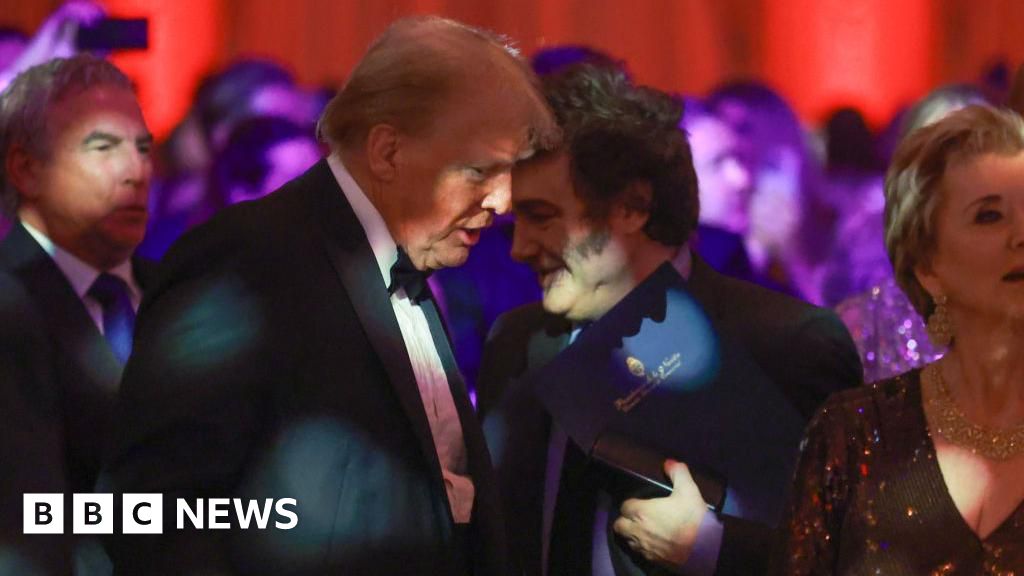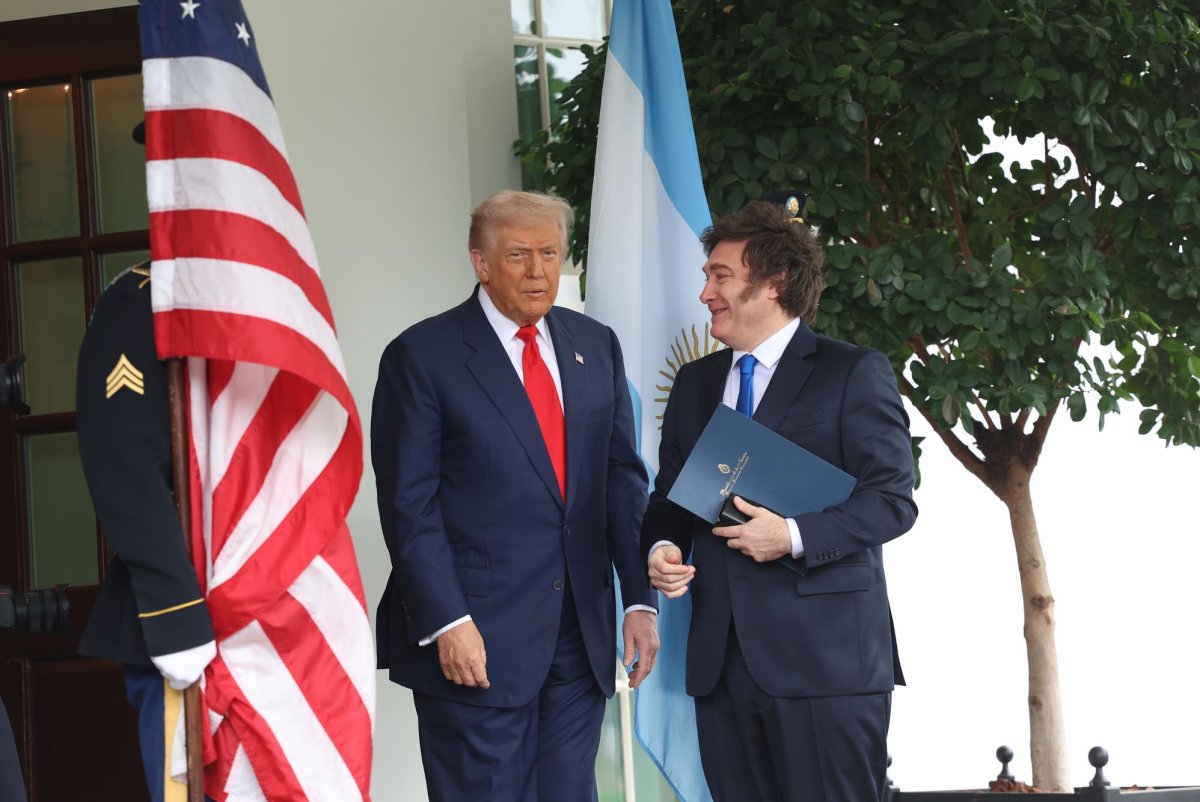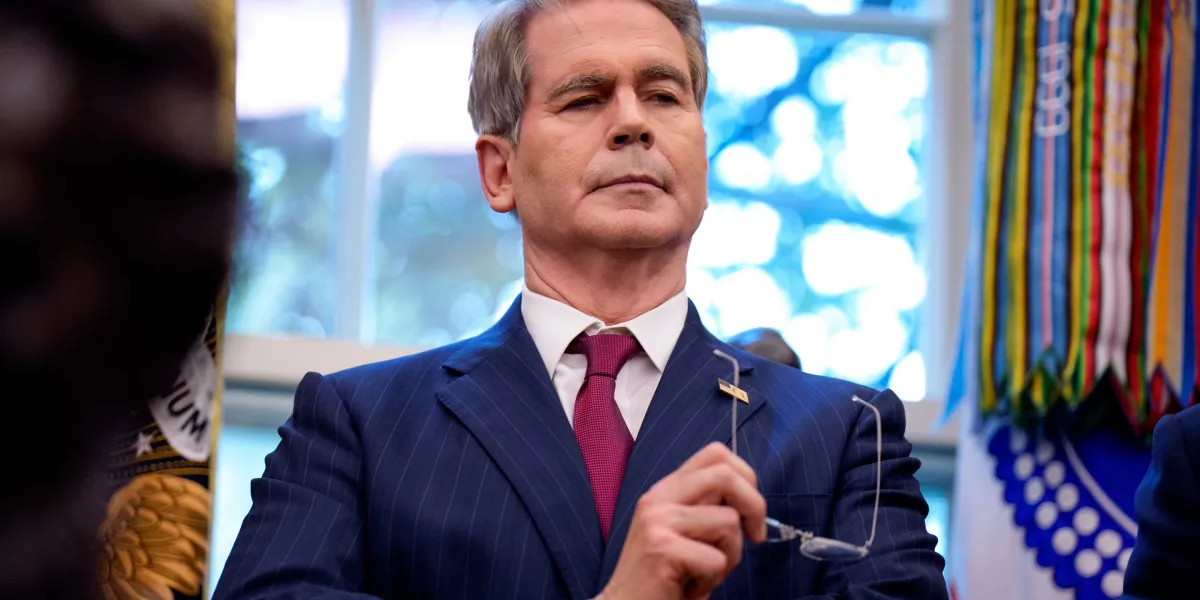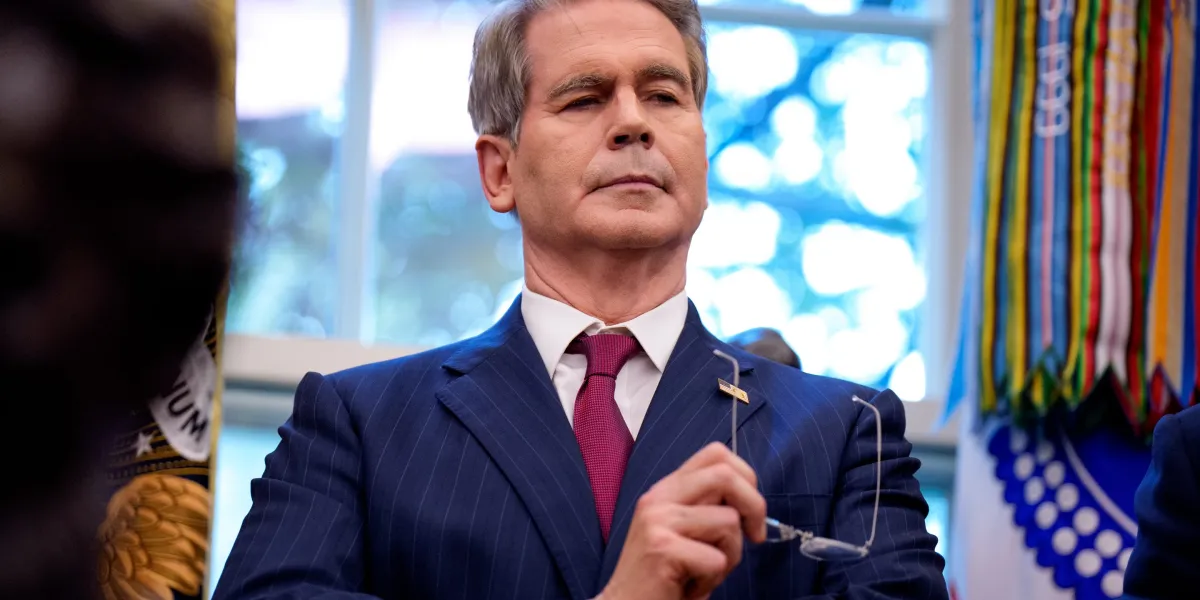
Treasury Secretary Scott Bessent described Argentina as a “beacon” for South America, saying its leader, President Javier Milei, is doing a “fantastic job” of reversing decline in the country. And Bessent hinted that he hoped the turnaround of Argentina—with the White House’s help—may cause a ripple effect throughout the region.
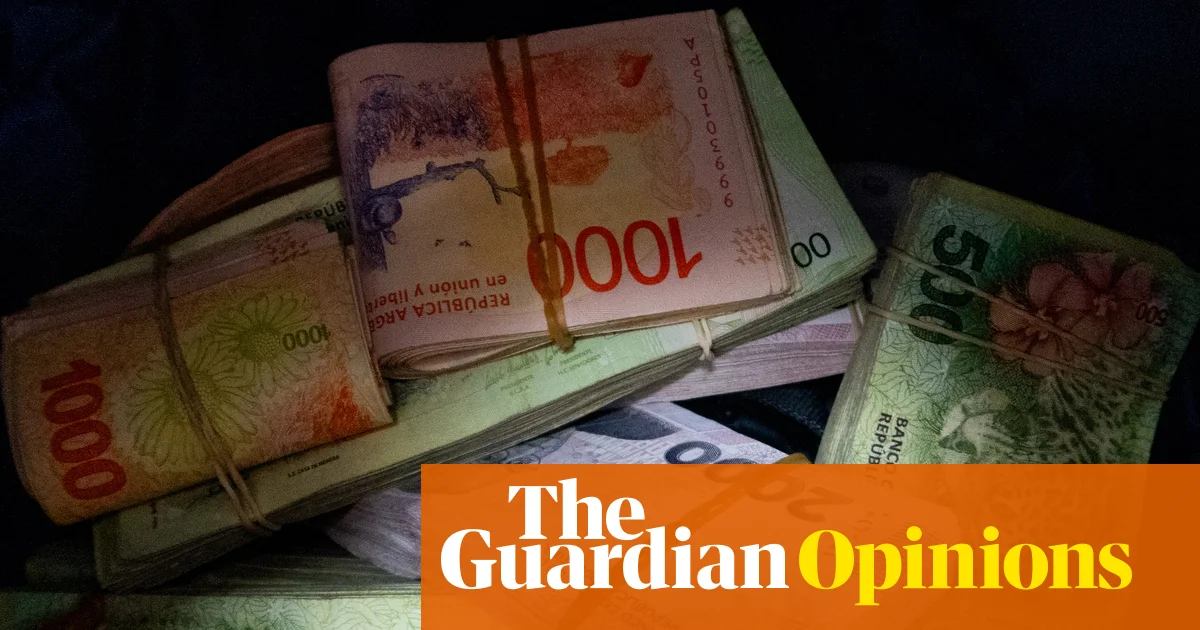
The U.S. government has been clear that it will support Milei—though has stopped short of putting its hand into its own coffers to boost Argentina’s economy. In September, Bessent wrote on X that “all options for stabilization are on the table,” suggesting that swap lines, direct currency purchases, and purchases of U.S.-dollar-denominated government debt from Treasury’s Exchange Stabilization Fund were all possibilities. “Opportunities for private investment remain expansive,” he added.
A matter of weeks later and Bessent has narrowed the scope, telling CNBC in an interview yesterday that the U.S. is providing a swap line, adding, “We are not putting money into Argentina.” A swap line is a standard agreement between two central banks to exchange currencies, to stabilize financial markets in one or both nations because it guarantees sufficient supply of a foreign currency. At a given date the swap is reversed. Given the fact that the U.S. dollar is the global currency, this adds a significant safety net to Argentina’s economy.