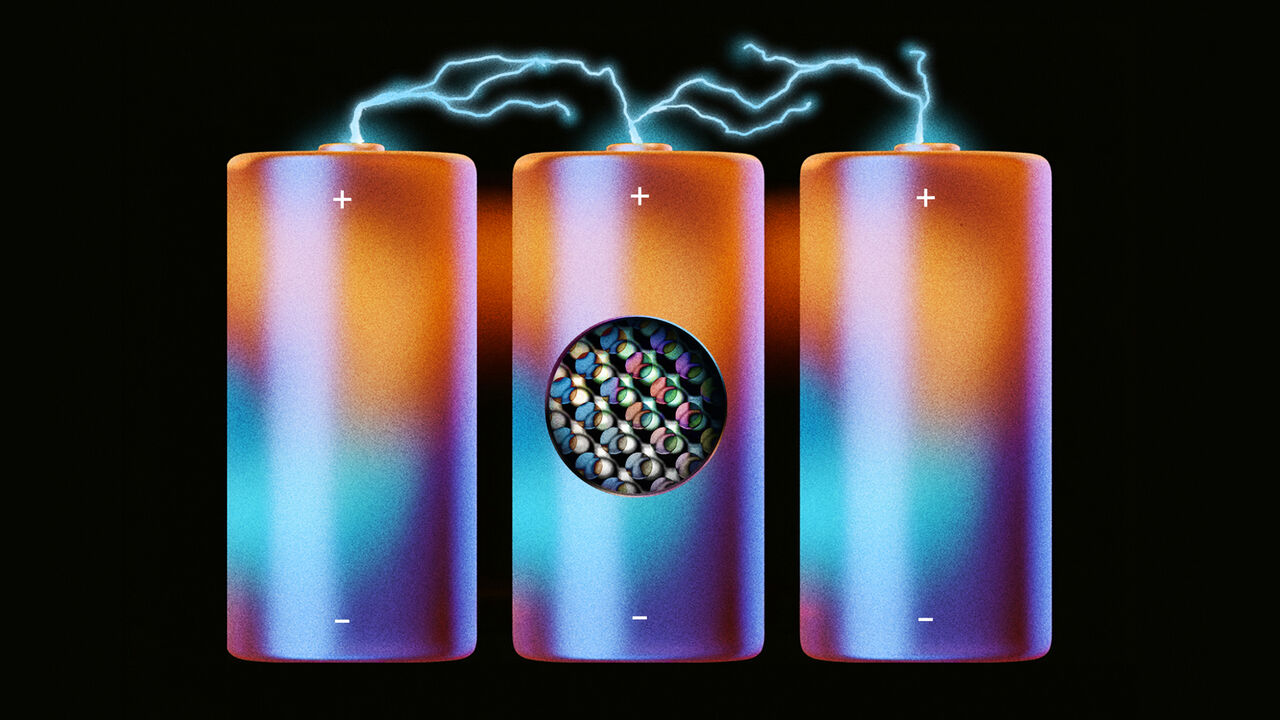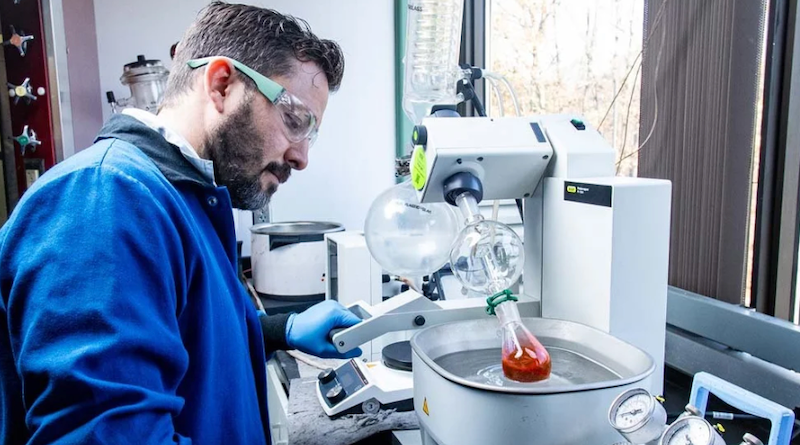
Stay up to date with notifications from The IndependentNotifications can be managed in browser preferences.Jump to contentThank you for registeringPlease refresh the page or navigate to another page on the site to be automatically logged inPlease refresh your browser to be logged inAllNewsSportCultureLifestyleResearchers at MIT have made a discovery that could lead to significantly faster-charging electric vehicles and devices. The breakthrough relates to understanding 'coupled ion-electron transfer', a fundamental reaction in lithium-ion batteries where lithium ions move efficiently only when accompanied by electrons. The new theory provides a rational framework for battery design, moving away from the previous reliance on trial and error and an incomplete century-old equation. The team found that tweaking the liquid electrolyte inside a battery could dramatically improve charging speeds and reduce wear and tear, extending battery life. Published in the journal Science, the work offers manufacturers the theoretical understanding needed to design next-generation batteries more effectively. In fullMIT scientists discover how to make batteries charge fasterThank you for registeringPlease refresh the page or navigate to another page on the site to be automatically logged inPlease refresh your browser to be logged in
Breakthrough paves the way for faster-charging batteries
Stay up to date with notifications from The IndependentNotifications can be managed in browser preferences.Jump to contentThank you for registeringPlease refresh the page or navigate to another page on the site to be automatically logged inPlease refresh your browser to be logged inAllNewsSportCultureLifestyleResearchers at MIT have made a discovery that could lead to significantly faster-charging electric vehicles and devices. The breakthrough relates to understanding 'coupled ion-electron transfer', a fundamental reaction in lithium-ion batteries where lithium ions move efficiently only when accompanied by electrons. The new theory provides a rational framework for battery design, moving away from the previous reliance on trial and error and an incomplete century-old equation. The team found that tweaking the liquid electrolyte inside a battery could dramatically improve charging speeds and reduce wear and tear, extending battery life. Published in the journal Science, the work offers manufacturers the theoretical understanding needed to design next-generation batteries more effectively. In fullMIT scientists discover how to make batteries charge fasterThank you for registeringPlease refresh the page or navigate to another page on the site to be automatically logged inPlease refresh your browser to be logged in