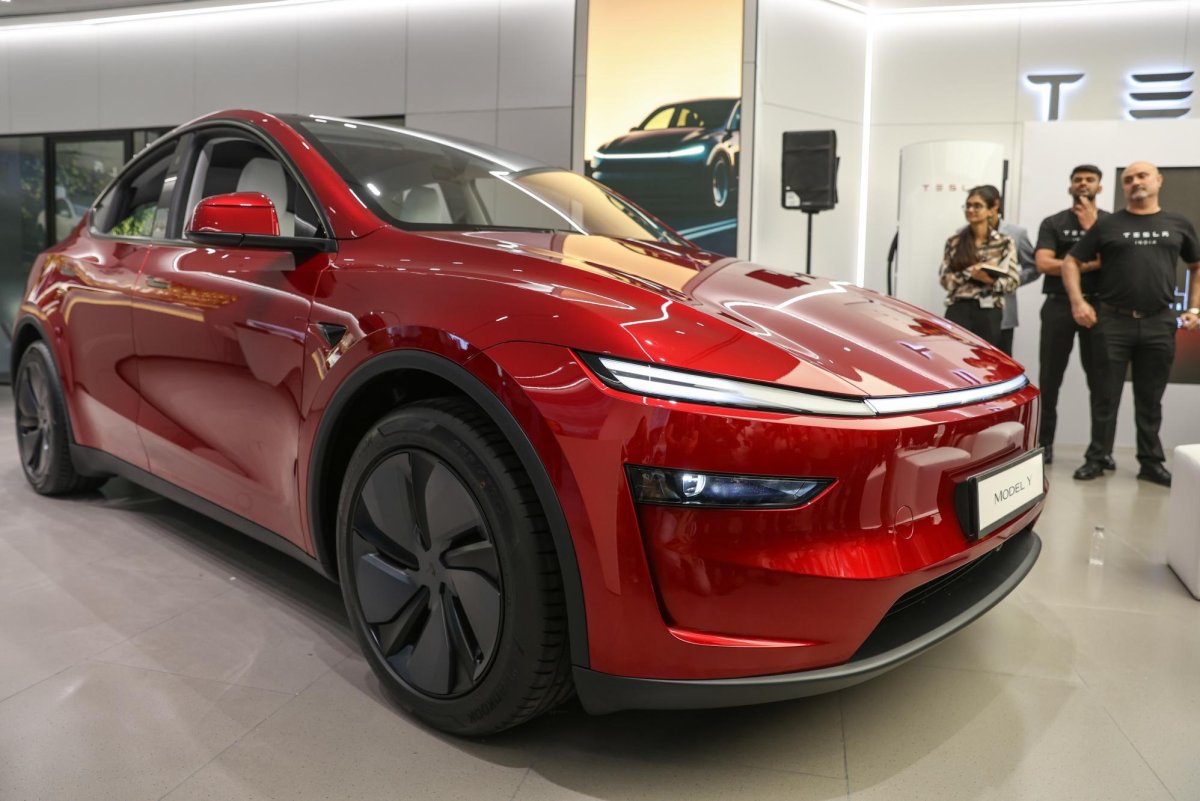
During a rough week for electric-vehicle makers in the U.S., Tesla investors got at least one piece of good news on Thursday. The EV maker reported a pronounced increase in sales—better numbers than Wall Street had predicted, and a respite from the lagging deliveries Tesla has been reporting over the past two quarters.
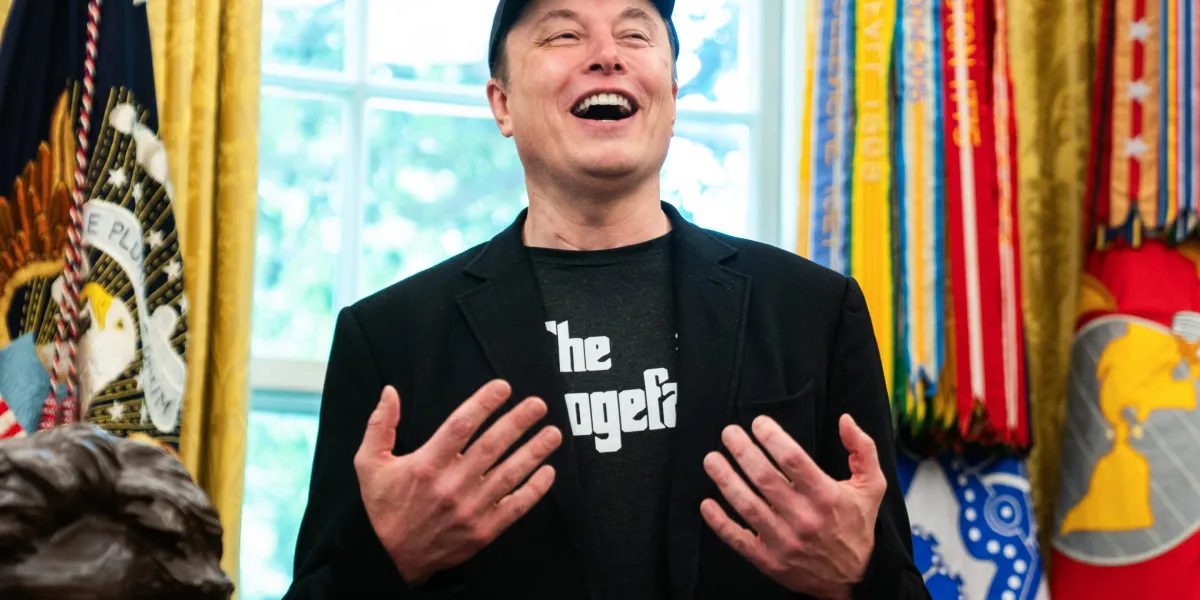
While analysts had expected Tesla to sell around 450,000 EVs over the three months ended in September, Tesla ended up delivering more than 497,000—about 100,000 more than the previous quarter, and a 7.5% increase from this time last year. Dan Ives, one of Tesla’s most notorious bulls, blasted out an analyst note that same morning, describing the numbers as a “massive bounce back” for Tesla—a turnaround for a company that has been battered over the first half of this year in several key markets as CEO Elon Musk tried his hand at a brief yet chaotic stint in American politics.
The key question is this: Will it last?
After all, Tesla’s short-term sales surge was closely related to its looming longer-term challenge. One of the key reasons for Tesla’s strong sales figures, investors and analysts noted, was the temporary rush of consumers purchasing an EV right before the elimination of the $7,500 electric vehicle tax credit. That incentive—which officially ended on Tuesday—had been in place for 17 years and had helped narrow the price gap between electric and gas vehicles for U.S. buyers. Tesla on Wednesday went ahead and increased the cost of leasing its vehicles, as its first move reflecting the change.