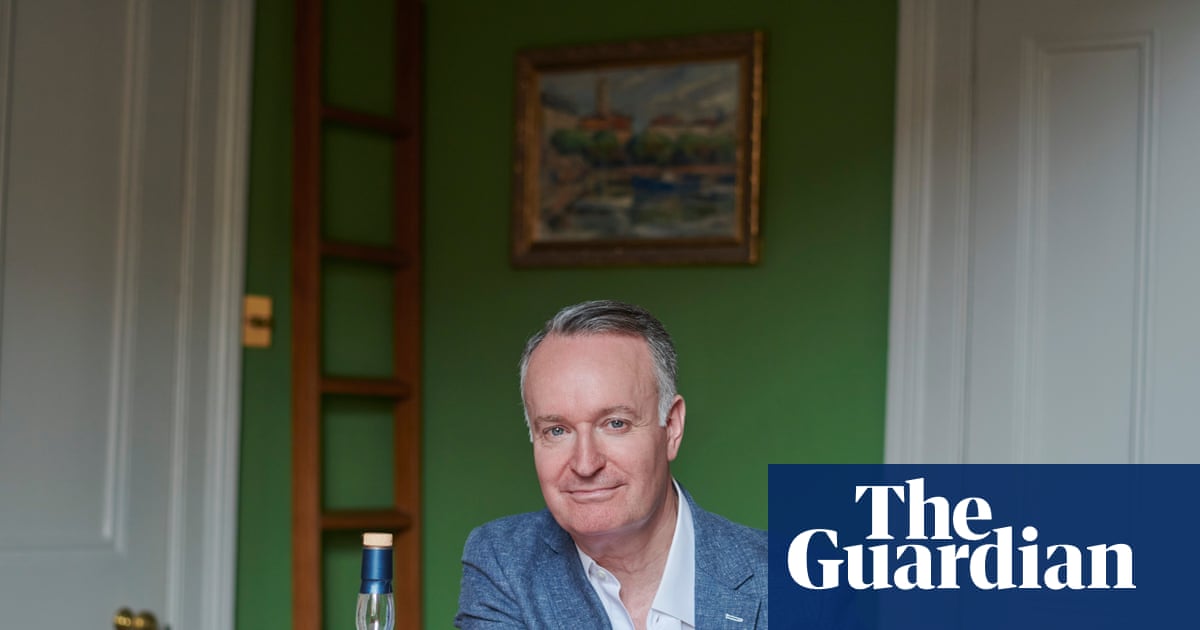
The novelist on the relationships that shaped his life, from schoolmates to the Rolling Stones and Edna O’Brien
N
ovelist Andrew O’Hagan’s new book comprises eight brief essays reworked from a series recorded last year for Radio 4. The mode is reminiscence: we hear about a lost childhood friend from the council estate where he grew up in 1970s North Ayrshire; about former colleagues at the London Review of Books, where O’Hagan made his name in the 1990s; about his adult daughter’s bygone imaginary friend. He considers why actors, politicians and Republicans make bad friends, why the novelist Colm Tóibín makes such a good one, and how the experience of friendship is shaped by bereavement and the internet.
The latter, for O’Hagan, is more damaging than the former, which maybe isn’t surprising for a writer who likens friendship to “a set of loyalties that turn in the head like old records”, and worries that people no longer go to pubs because they’re too busy shopping online. “In the age of the internet, what exactly is a friend? … Can you swear by someone whose voice you’ve never heard …?”, he asks, not seeming to mind terribly much – strangely, for an author so companionable on the page – that this isn’t really a feature of online life so much as writing itself; Gutenberg, not Zuckerberg.