L
ooking out across the Pacific, I assume the dark cloud of airborne creatures flitting towards my Rib are swallows. Then I realise they’re too big, and too numerous, to be an avian flock. “Bats!” the captain of my boat exclaims delightedly, as layers of scalloped-winged creatures flap over our heads towards the insect-rich forests of Lembata island. “That’s good. We’ll have no problems with mosquitoes tonight!”
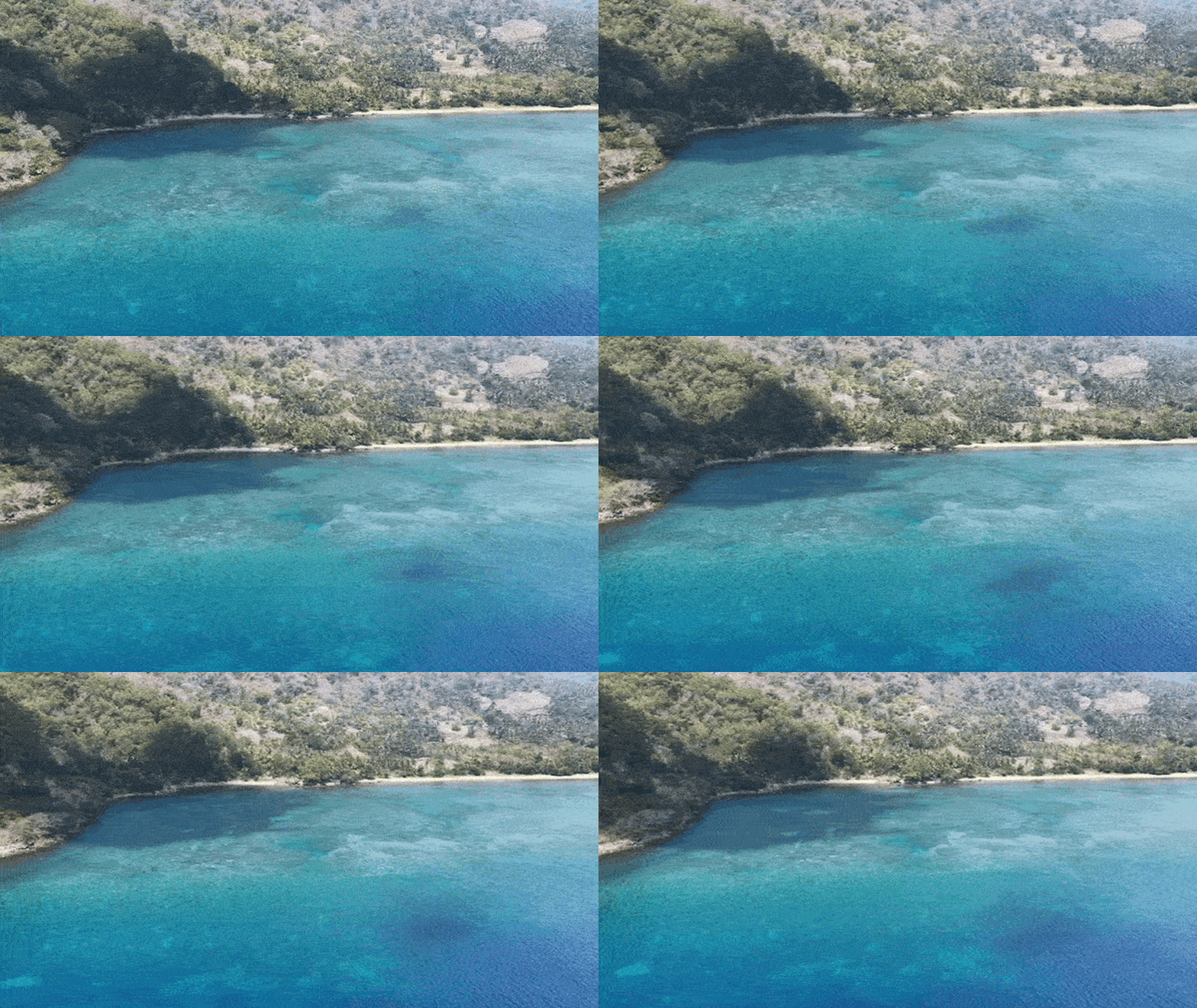
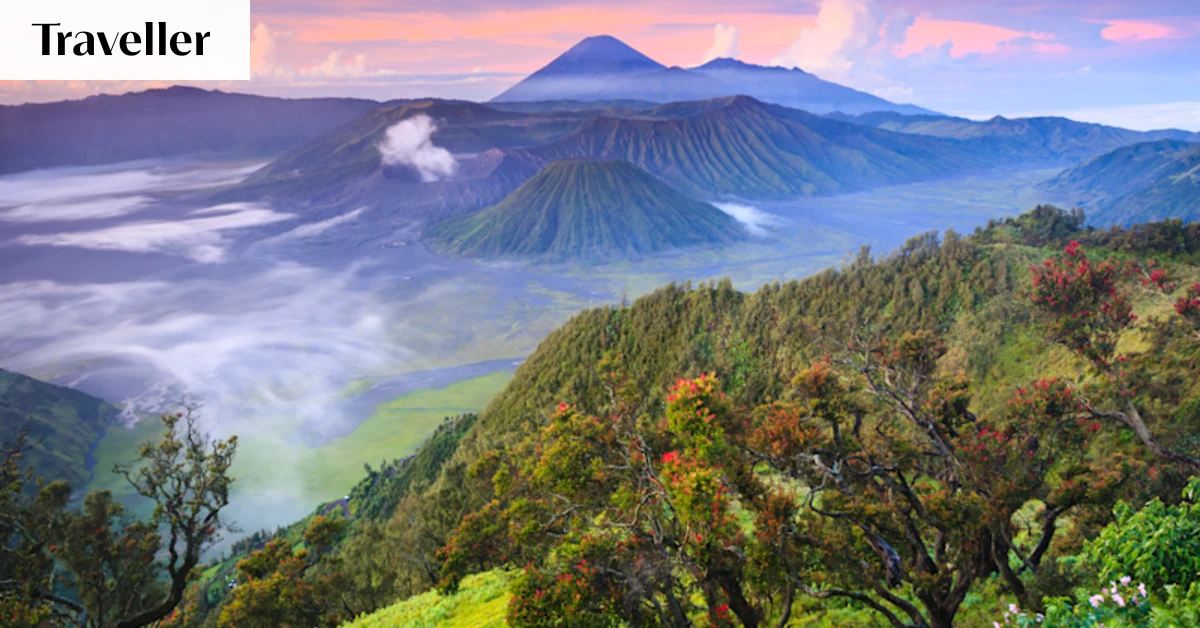
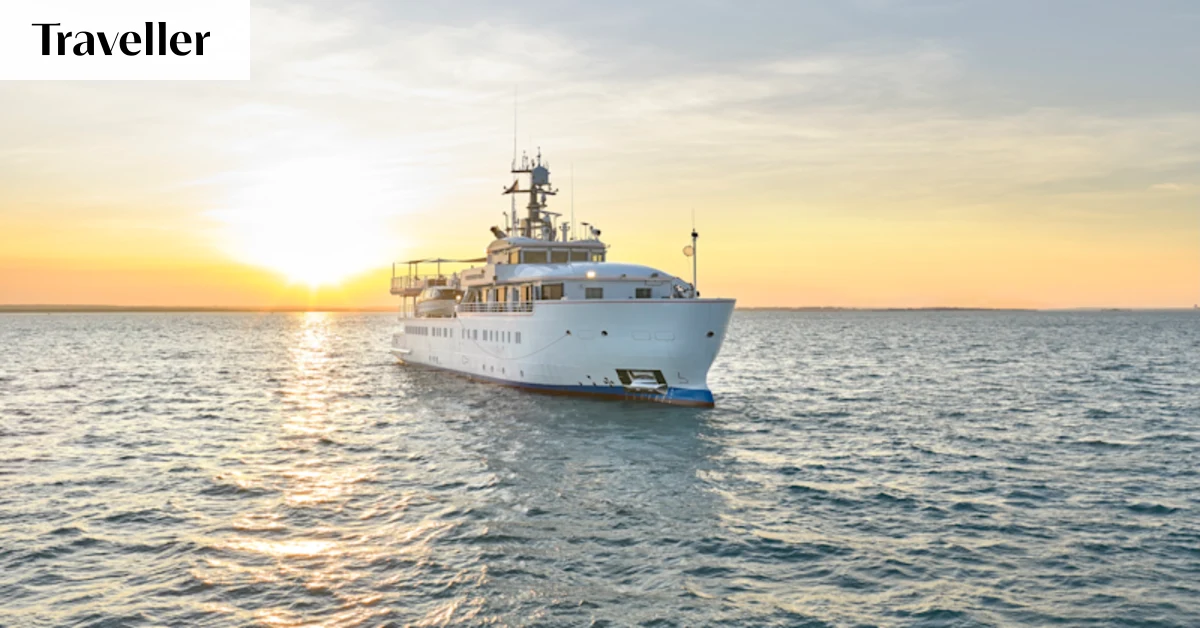
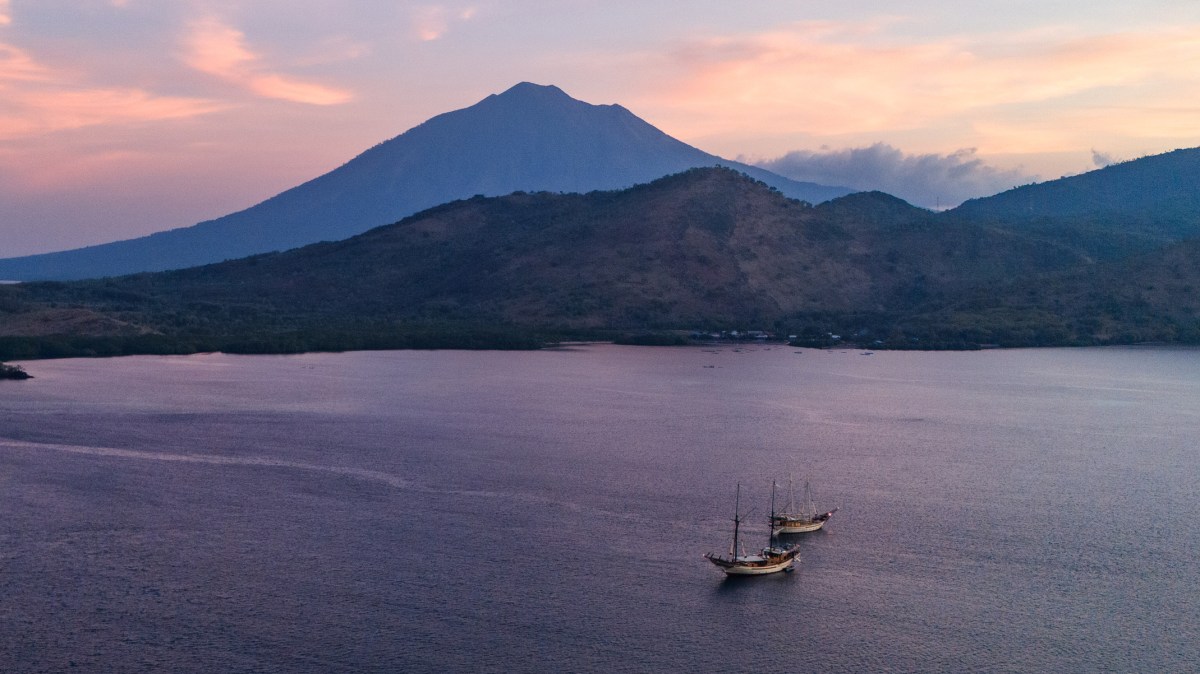
Bats aren’t something I’d ever have associated with sailing. But, as I discover over a six-day journey around the southeastern Indonesian islands near Flores, very little here is “normal”. Just across the bay in which we’re moored, a volcano keeps puffing thick clouds of sulphurous ash into the air, every now and then emitting a BOOM! that reverberates in my chest. At night, the new moon (slightly spookily) sets at the same time as the sun. Whales puff spouts of water into the air. As the bats pass overhead, and we deftly surf waves towards our pair of yachts (yes, pair!), I catch myself for the hundredth time that day grinning inanely. This place is wild — in every way.
Sailing amid these uninhabited, mountainous islands, it makes sense why this region has for centuries been the source of inspiration — for Joseph Conrad’s novels, the story of King Kong and Steven Spielberg’s Jurassic Park, as well as Zoo Quest, David Attenborough’s 1954 documentary (his first). Even 150 years after the British naturalist Alfred Wallace intrepidly traversed these waters to collect specimens, these islands feel positively primeval.