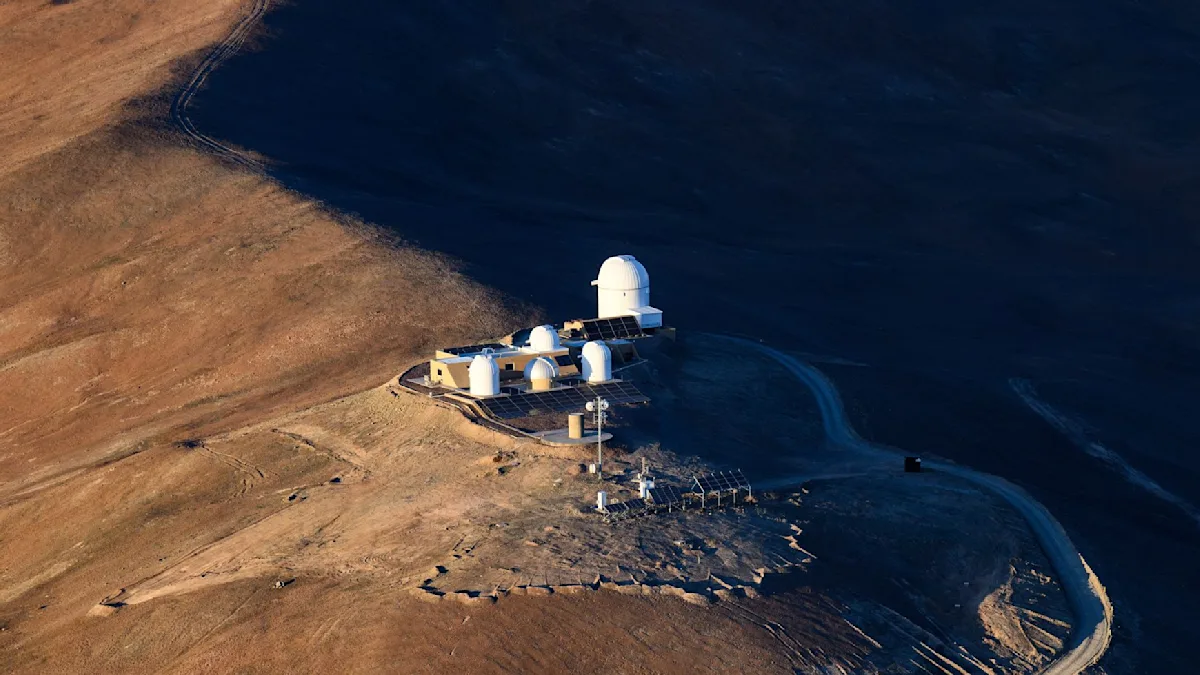
Astronomers fear that emissions from a proposed hydrogen plant 6 miles away will impede work at the Paranal Observatory in Chile. File Photo by Mario Ruiz/EPA
Oct. 2 (UPI) -- The Paranal Observatory, one of the world's most important for astronomers, faces a major risk of providing clear images because of a proposed green hydrogen and ammonia plant planned just over 6 miles away.
Owned by U.S.-based AES Corp. the INNA project -- a largescale industrial development -- involves a $10 billion investment to build a green hydrogen and ammonia facility that would include solar, wind and battery storage parks. The proposal has been under review by Chile's Environmental Assessment Service since last year.
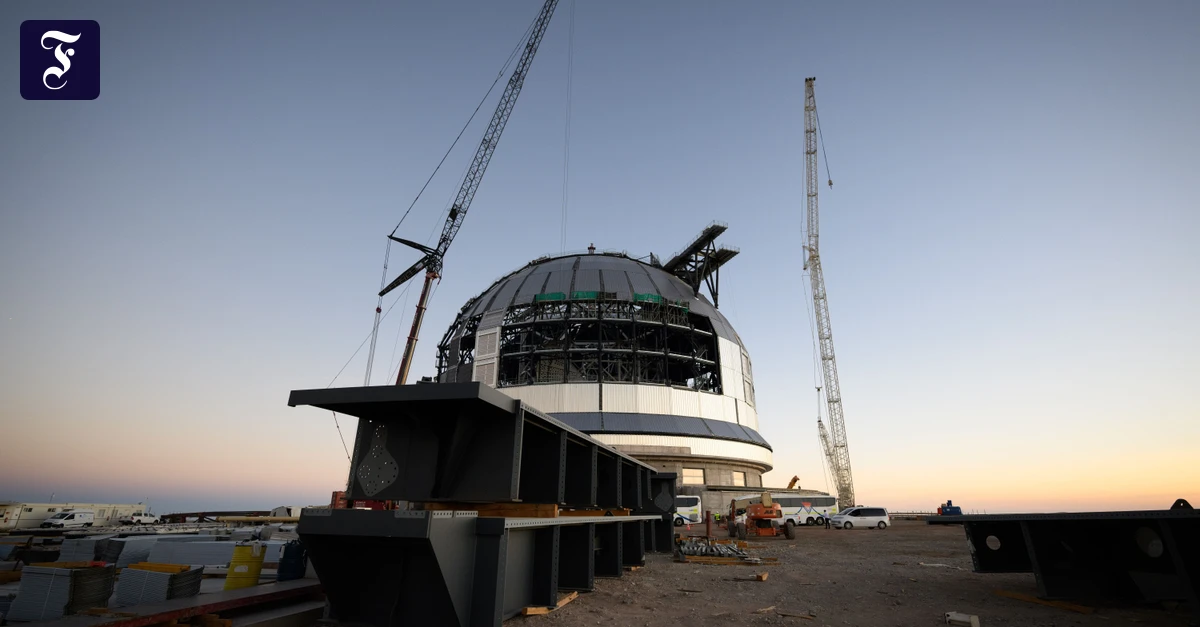
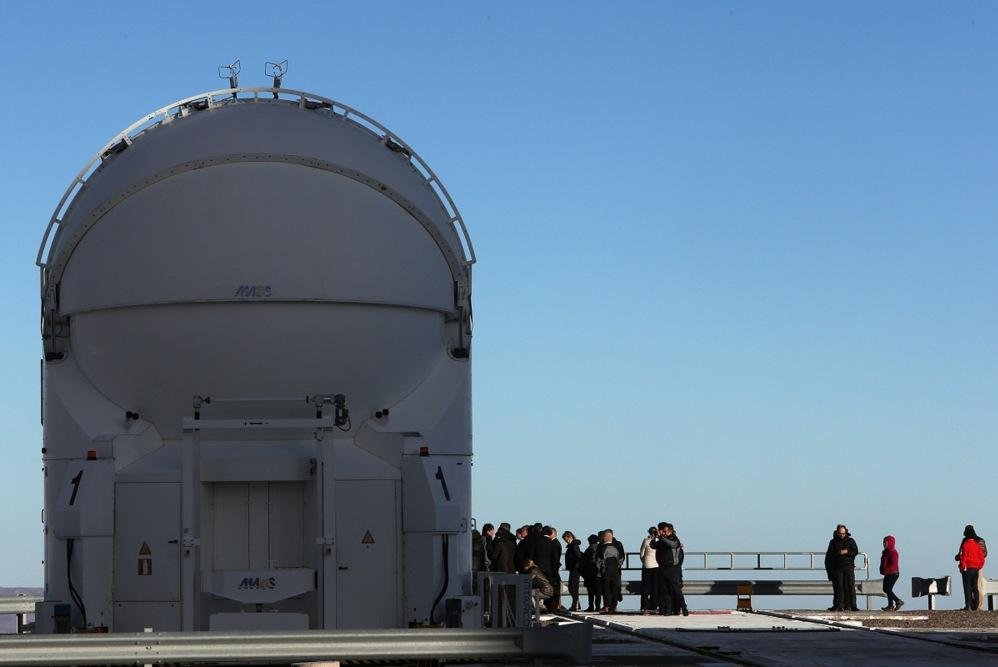
Sitting 8,645 feet above sea level in Chile's Atacama Desert, the Paranal Observatory is home to the Very Large Telescope, one of the most advanced in the world. An Extremely Large Telescope, the largest optical-infrared telescope in the world, is expected to begin operations there in 2029 to search for signs of life on planets orbiting other stars and study black holes or the first galaxies.
These instruments require a clean atmosphere free of artificial light, dark skies and stable, vibration-free ground to operate, astronomers say.