https://arab.news/rhwuv
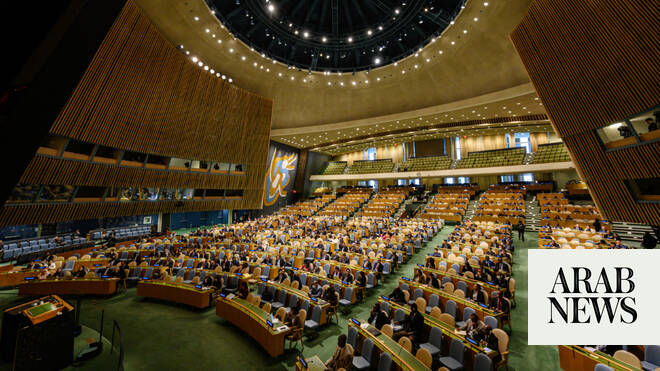
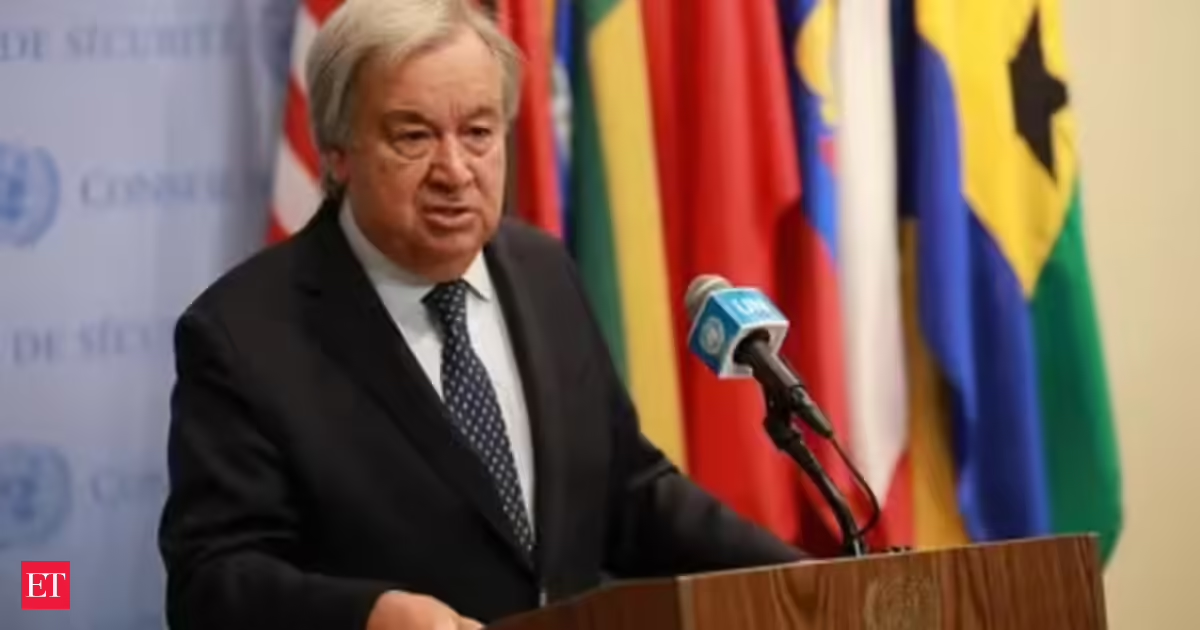
At the 80th UN General Assembly last week, Secretary-General Antonio Guterres urged nations to adopt emissions reduction targets for 2035 that far surpass the pledges enshrined in the Paris Agreement. His call came at a key moment, as the International Court of Justice’s latest advisory opinion stipulated that states have legal obligations under international law to prevent, mitigate and cooperate when it comes to addressing the harms of climate change.
Although the International Court of Justice’s opinion, which was issued in July, is only advisory, it is still a significant clarification when it comes to international climate obligations. Building on this momentum, Vanuatu and a coalition of climate-vulnerable nations are mobilizing to transform the court’s opinion into binding political action. This can be done through a UN resolution. This raises the question of whether such a resolution is feasible, as well as what the legal and political obstacles might be and the potential benefits it might bring.
The court’s opinion asserted that states’ climate-related duties are not limited to treaty obligations, but also involve the principles derived from international law and human rights. This could provide new leverage for litigants and advocates.