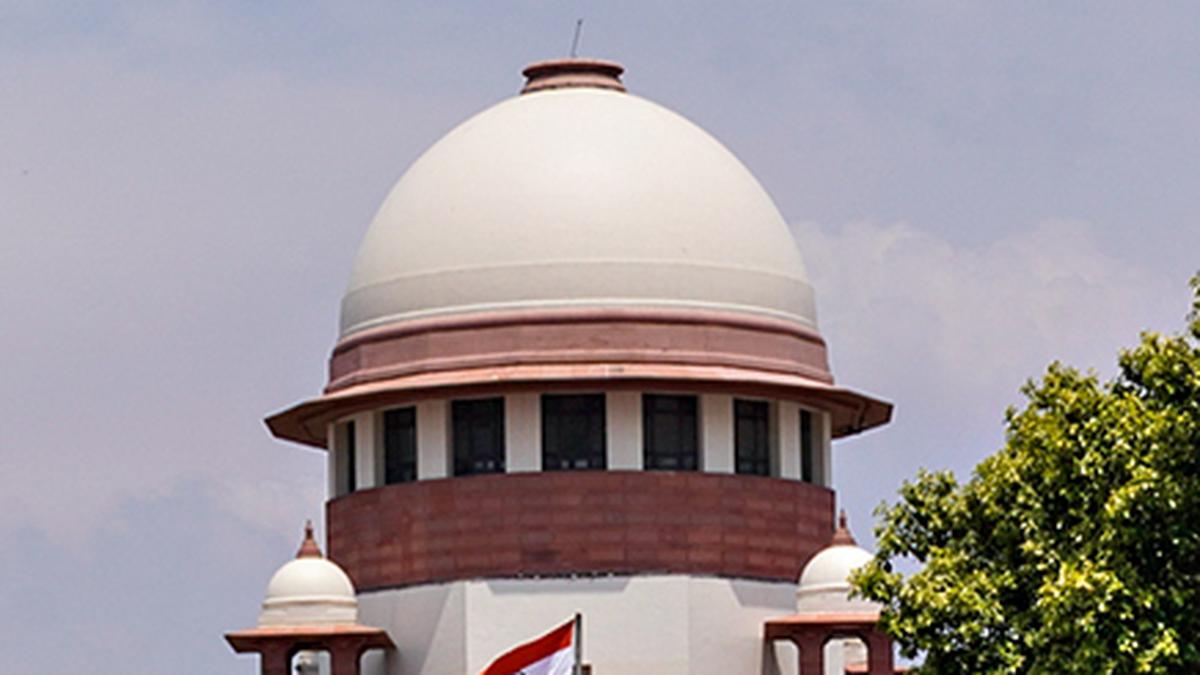
The Madhya Pradesh Government has urged the Supreme Court to treat the 50% cap for reservation as “flexible”, permitted to be overlooked in “special situations”, while seeking the validation of a law which enhances quota for Other Backward Classes (OBC) from 14% to 27% in State services.
The Madhya Pradesh State law breaks the 50% reservation ceiling established by a nine-judge Constitution Bench of the Supreme Court in the Mandal Commission case 33 years ago.
The State has argued that the increase in OBC reservation was necessary to combat “entrenched social isolation and exclusion” faced by more than half its population. It said even the Supreme Court, on many occasions, had termed the 50% limit on reservation more of a “flexible guideline” than an immutable Constitutional bar.
The issue triggered by Madhya Pradesh has gathered momentum, with Chhattisgarh also moving the Supreme Court. Some of the districts in Chhattisgarh allow 85% reservation.
Madhya Pradesh contended that grinding poverty, and intergenerational marginalisation among the 94 OBC castes and sub-castes in the State form an “exceptional situation” in which the court’s 50% limit must be breached to provide welfare and equality to the deprived sections of society.