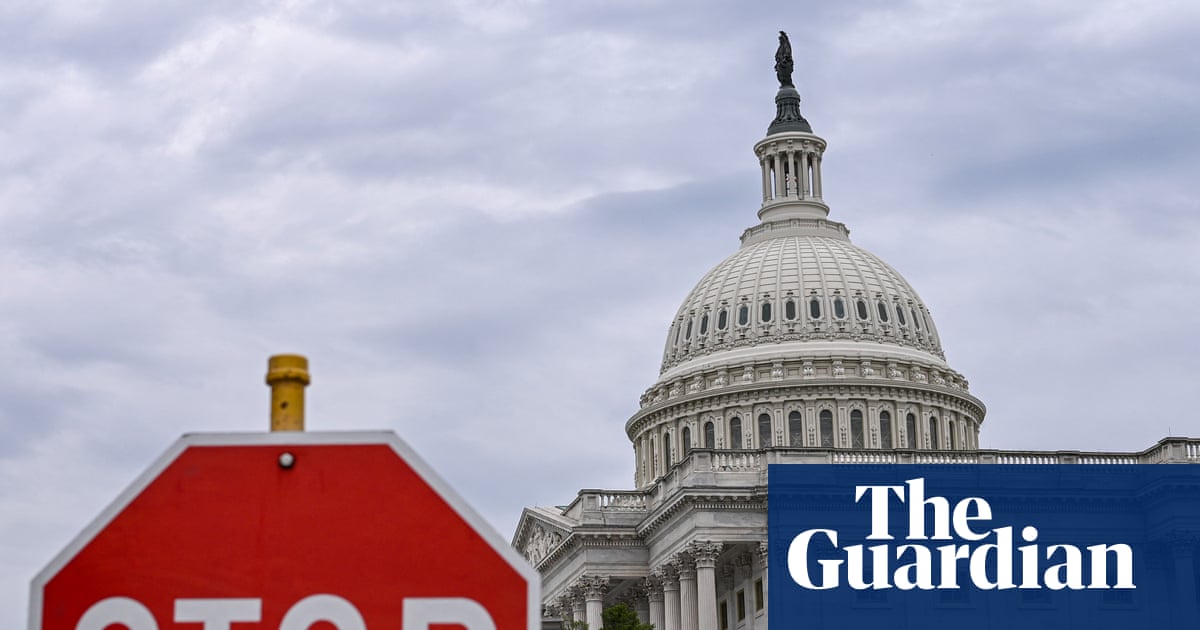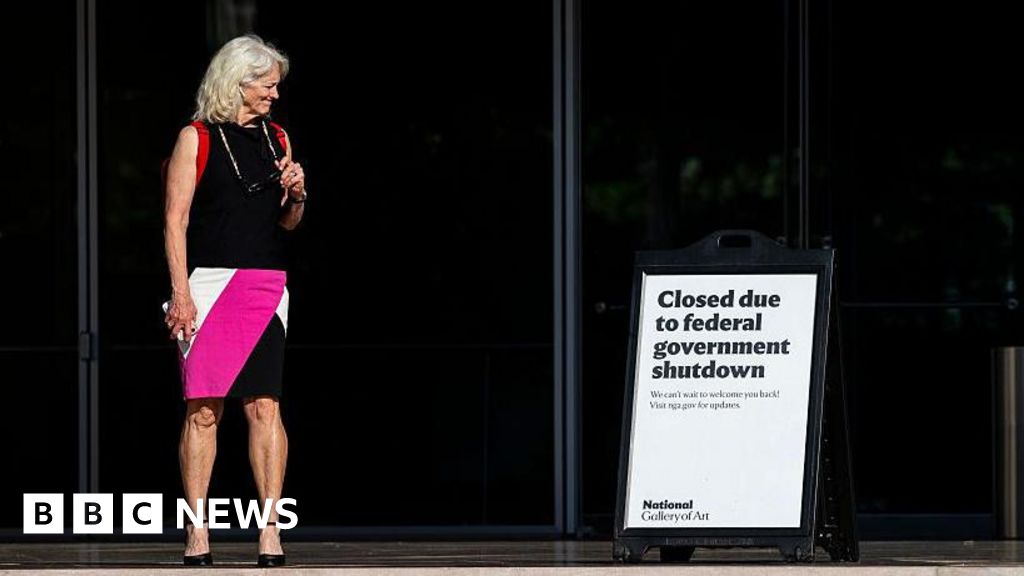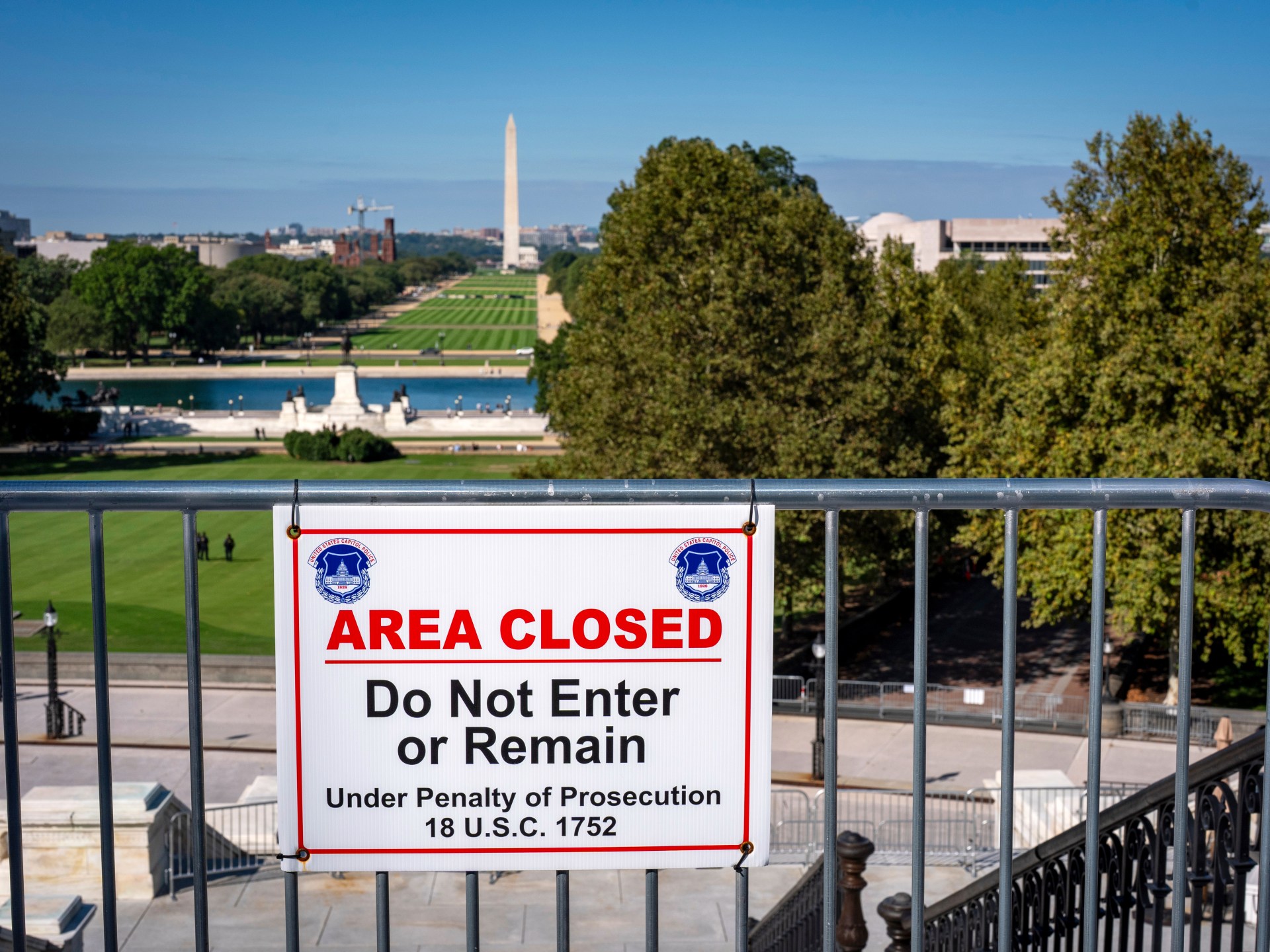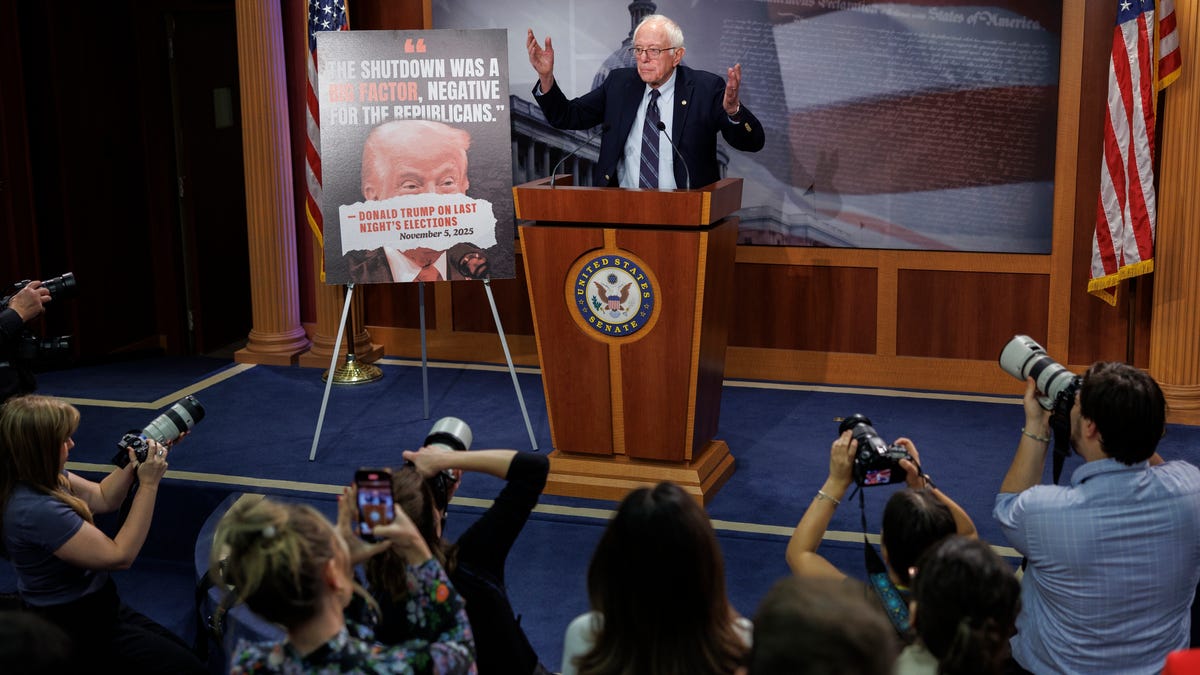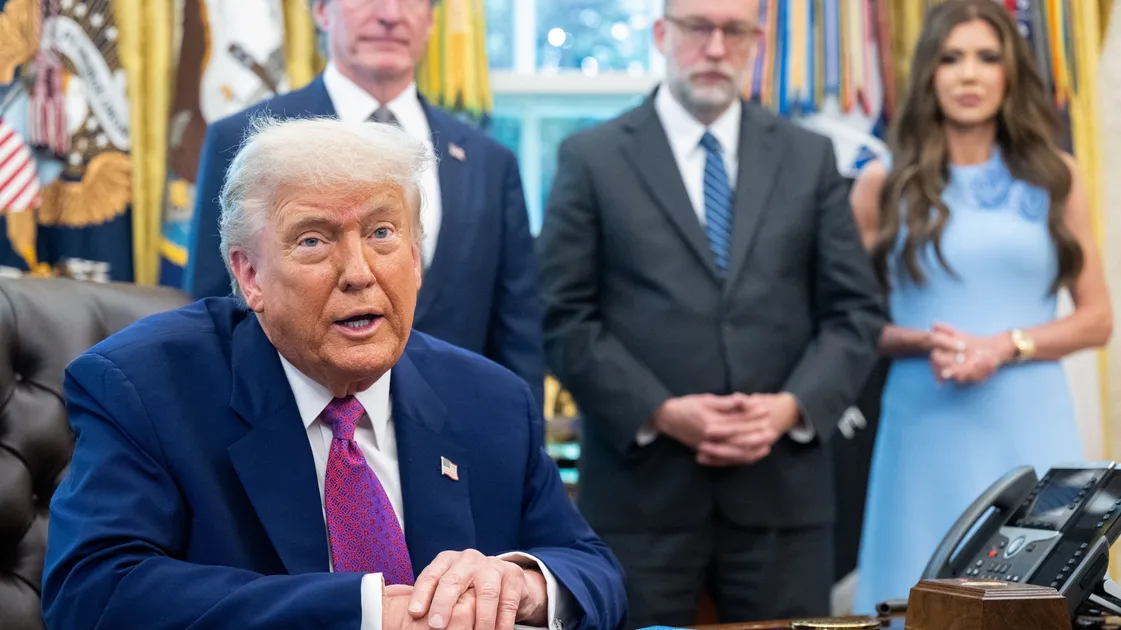
Government shutdowns, as a rule, do not work.
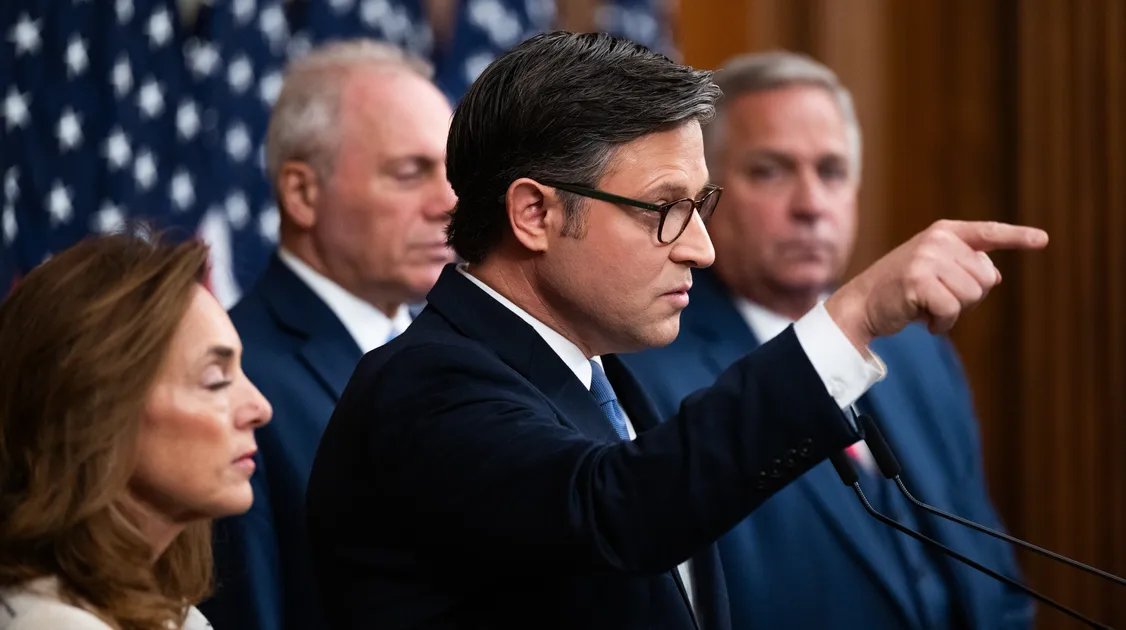
Republicans did not manage to repeal Obamacare in 2013. Another shutdown, launched in January 2018, resulted in no long-term changes to the American government. And even in his first term, President Donald Trump was unable to persuade Democrats to fork over $5.7 billion for border wall construction despite a 35-day shutdown that covered most of January 2019.
They also generally don’t change the political environment very much. Congressional Republicans’ poll numbers plummeted during the 2013 shutdown but rebounded well before the 2014 midterms ended in a red wave. Republicans swore Democrats would pay a political price for the 2018 and 2019 shutdowns, but those were similarly afterthoughts by the time the midterms rolled around.
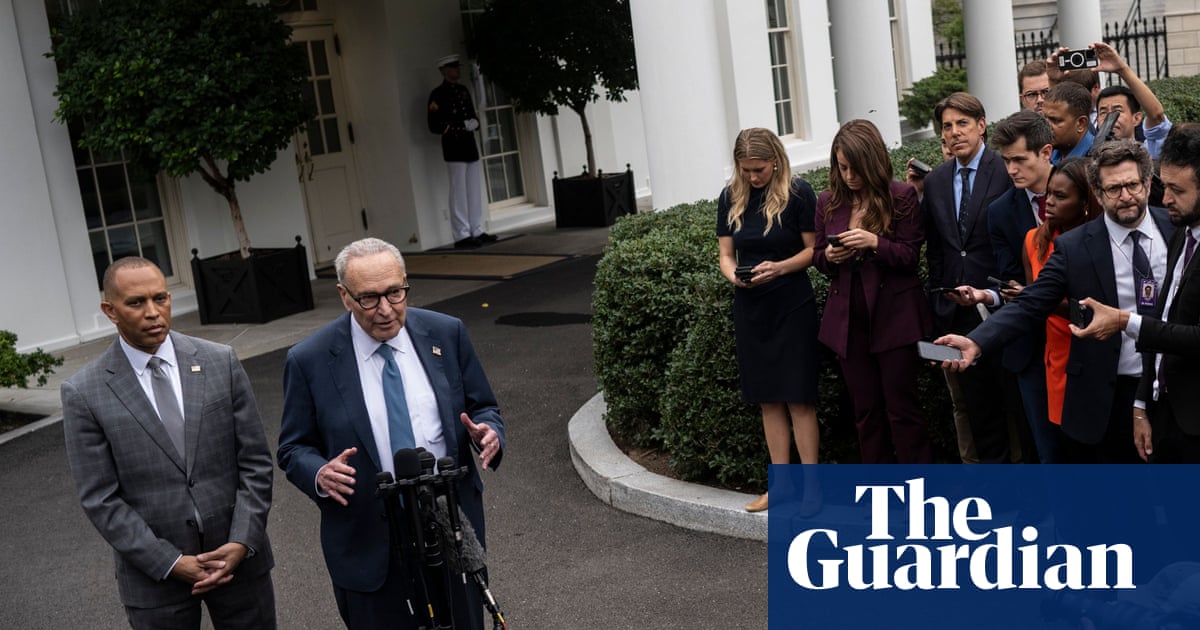
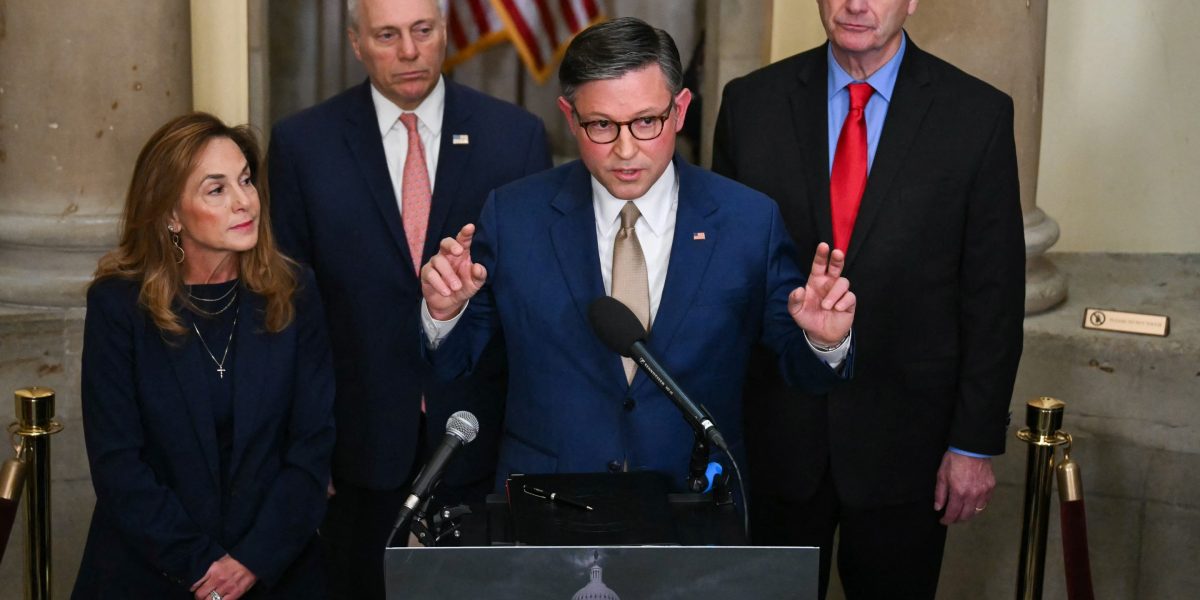
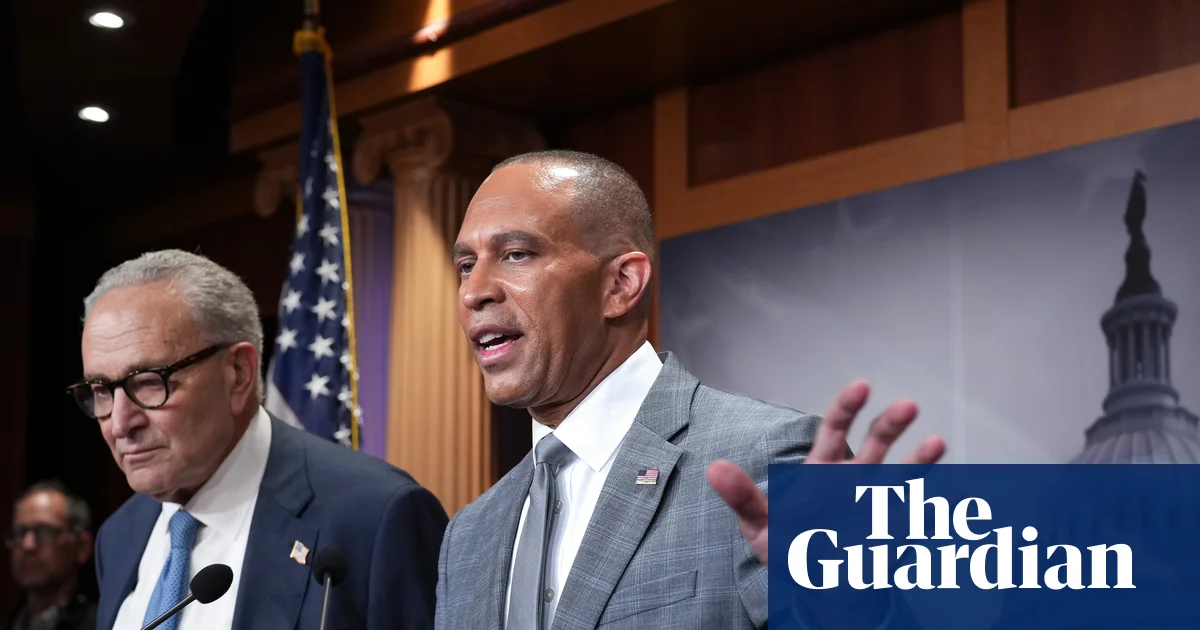
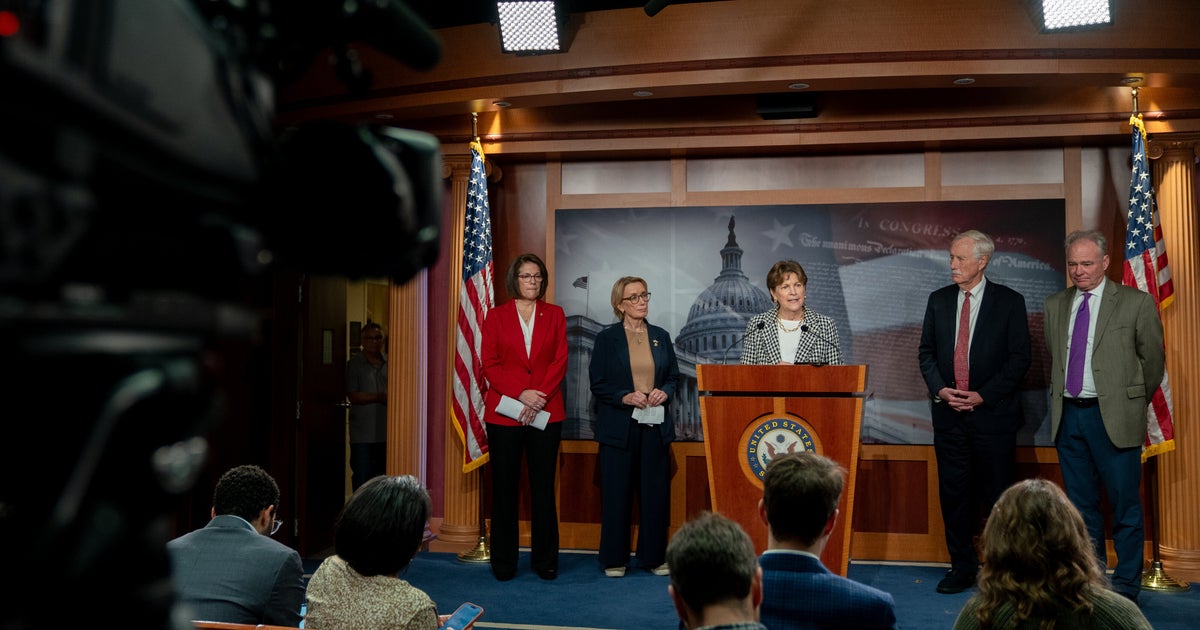
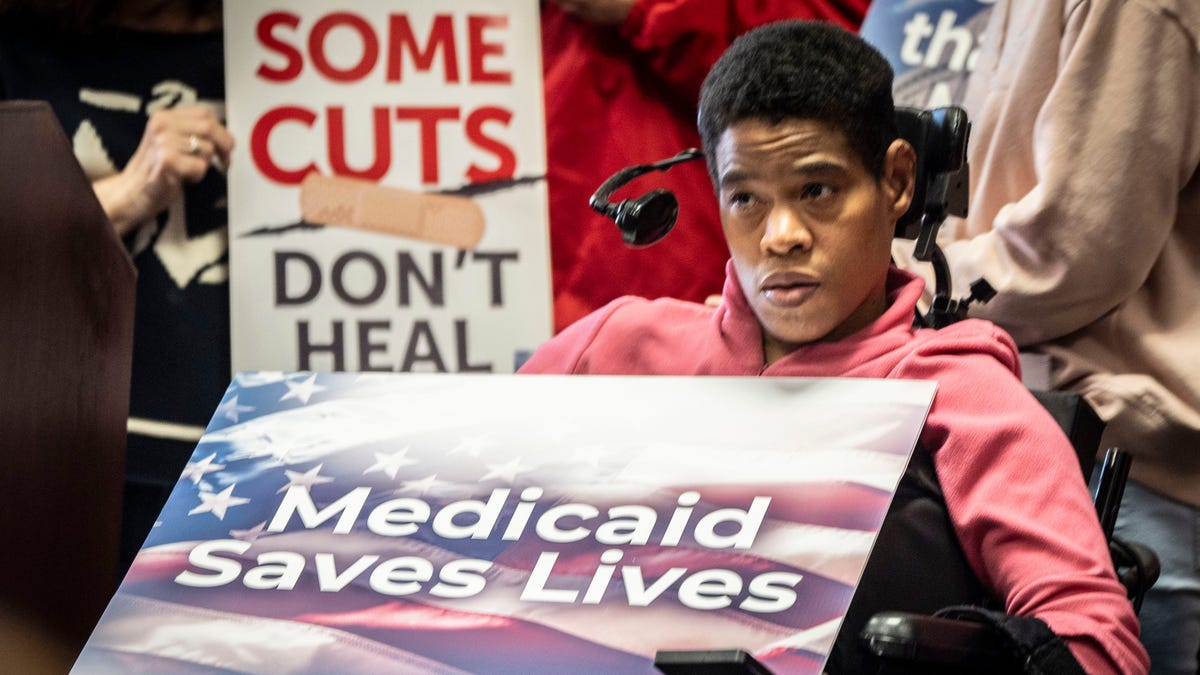
This history, however, is not stopping the Democratic Party from insisting that withholding their votes from a continuing resolution in the Senate just might work this time, and that they can convince Republicans to extend Obamacare subsidies or at least make the GOP look callous by highlighting how health care costs for millions of Americans are set to spike.
They do good reason to think so: Polling generally indicates voters are ready to blame Trump and the Republicans for any shutdown. And compared to demands like a total repeal of Obamacare or the construction of a wall on the U.S.-Mexico border, voters see the Democratic ask for health care subsidies as reasonable.