A Sept. 30 opinion from a federal judge in Boston that ruled against President Donald Trump’s administration began in an unusual way – with a scanned handwritten note that had been sent to his office.
“Trump has pardons and tanks – what do you have?” reads the note, dated June 19, at the top of U.S. District Judge William Young’s opinion that said Trump’s effort to deport foreign-born student protesters was unconstitutional.
“Dear Mr. or Ms. Anonymous,” reads the start of Young's typed response. “Alone, I have nothing but my sense of duty. Together, We the People of the United States – you and me – have our magnificent Constitution. Here’s how that works out in a specific case −.”
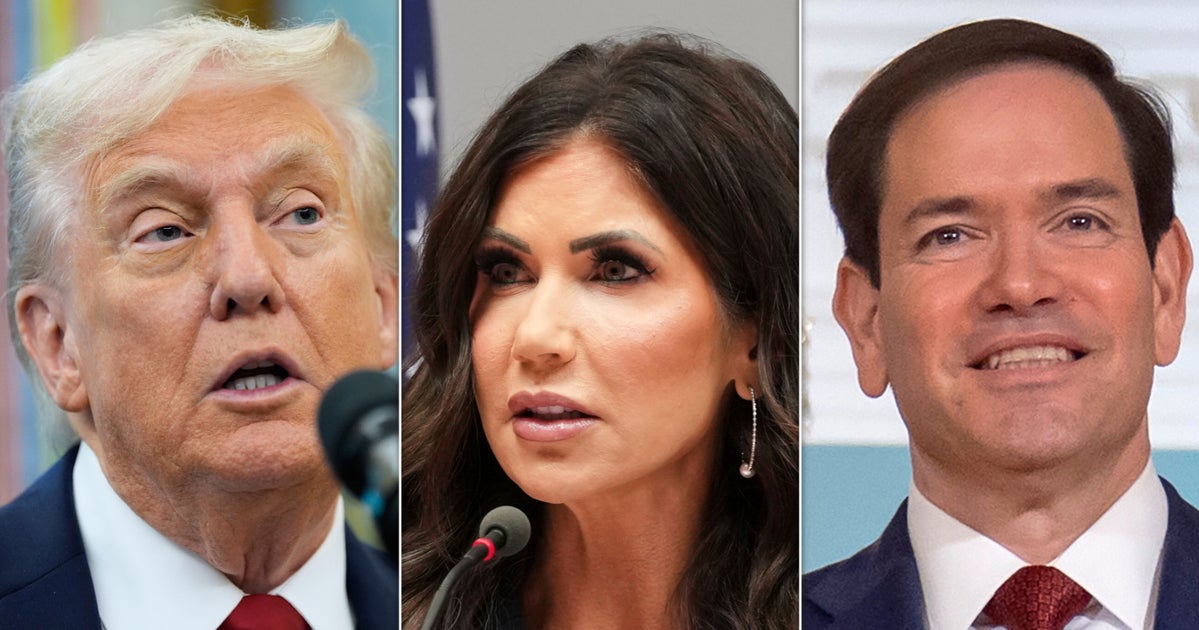
His 161-page opinion followed, concluding with his finding that Secretary of State Marco Rubio and Department of Homeland Security Secretary Kristi Noem, along with their subordinates, misused their authority “to target non-citizen pro-Palestinians for deportation primarily on account of their First Amendment protected political speech.”
It was a “really monumental” ruling, said Knight First Amendment Institute staff attorney George Wang. The organization represented the plaintiffs – the American Association of University Professors and its chapters at several universities, as well as the Middle East Studies Association – in the case.