W
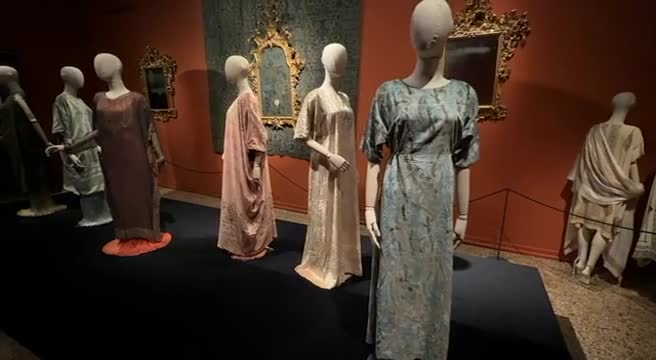
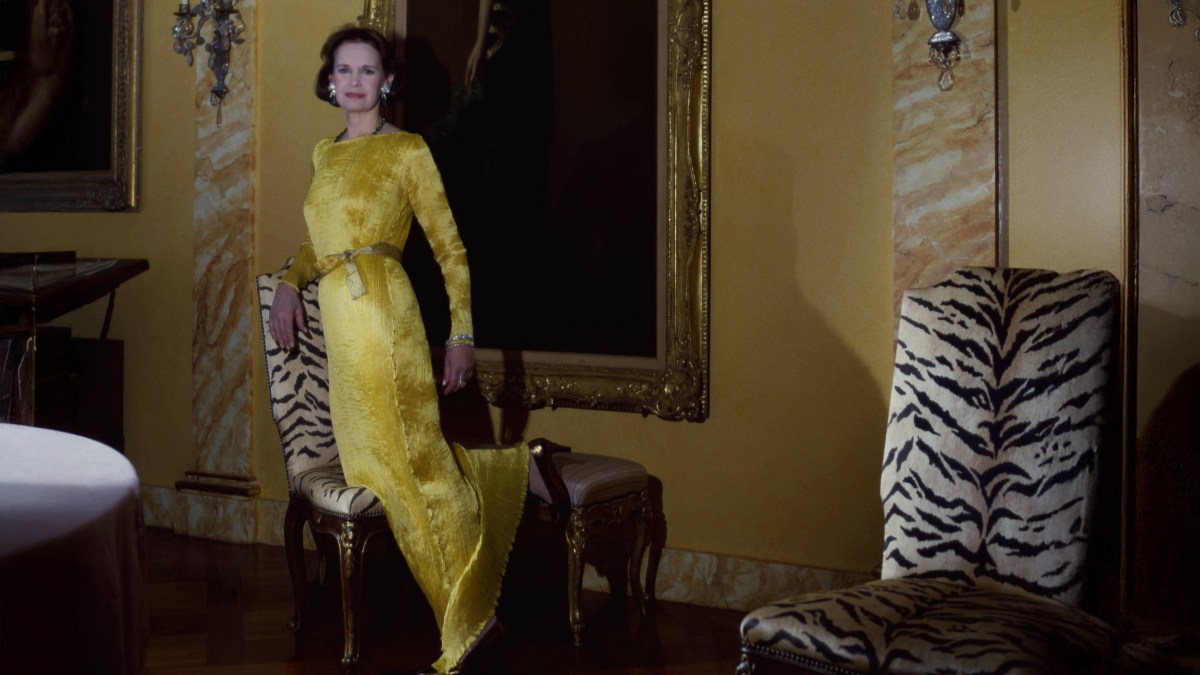
e’ve all heard of the designers Chanel and Dior, even Schiaparelli. But what about Fortuny? The brand that bears the name is still active, although now focused more on interior fabrics and homewares. But in the early decades of the 20th century Fortuny played a revolutionary role in fashion, helping to free women from the constraints of the corset and ushering in a new era of breathable, movable womenswear. Combining influences from the ancient world, nature and new technology, his company created clothes that not only captured the zeitgeist and opulence of the age but have also continued to inspire designers and collectors to the present day.
Natalia Vodianova wearing the Delphos Fortuny gown at the Met Gala in 2009
FAIRCHILD ARCHIVE/GETTY IMAGES
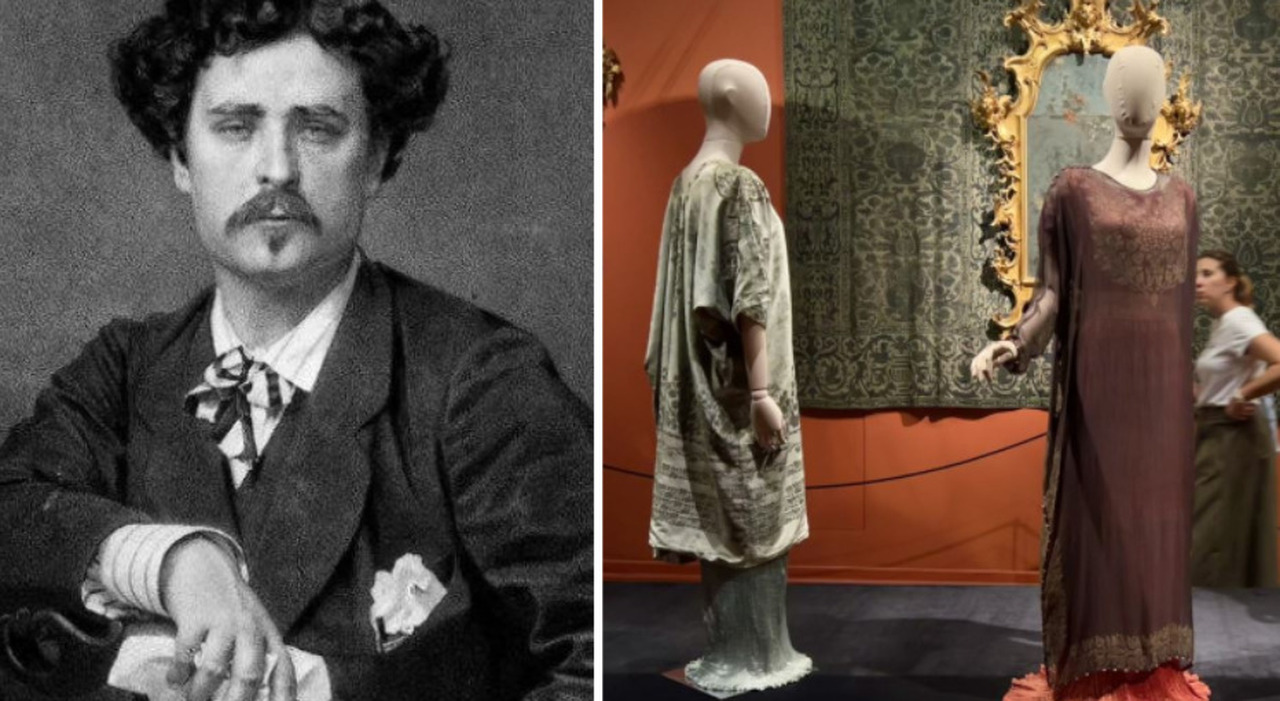
Mariano Fortuny y Madrazo was born in Granada, Spain, in 1871. More than just a designer, he was also an artist, an inventor and a visionary. The Delphos gown, a garment that eschewed boning to cling sensuously to the lines of the body, was inspired by a 5th-century BC Greek statue, the Charioteer of Delphi. The dress was a collaboration between Fortuny and his French wife, the designer Henriette Negrin. Combining the fluid pleats of the chiton worn by the charioteer with an adjustable neckline and sleeves, the 1907 creation was produced by Fortuny until the 1950s (a modern-day version is still available). Lady Diana Cooper, the aristocrat, actress and original Fortuny client, described the revelatory feeling of wearing one of his gowns: “Timeless dresses of pure thin silk cut severely straight from shoulder to toe and kept wrung like a skein of wool. In every crude and subtle colour, they clung like mermaid’s scales.”