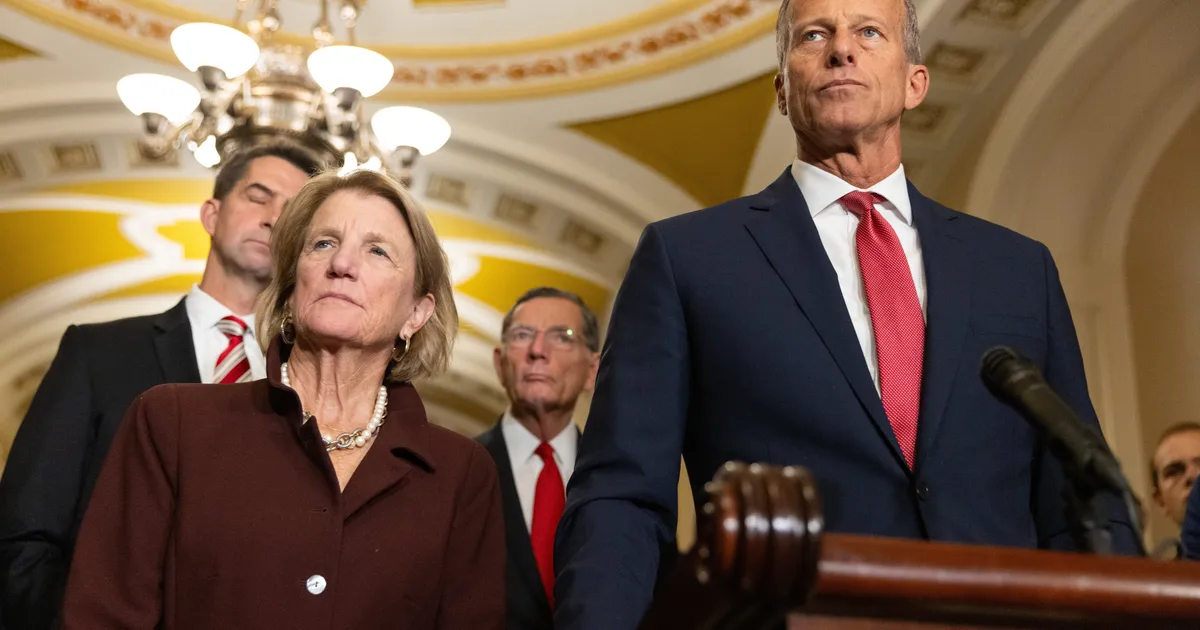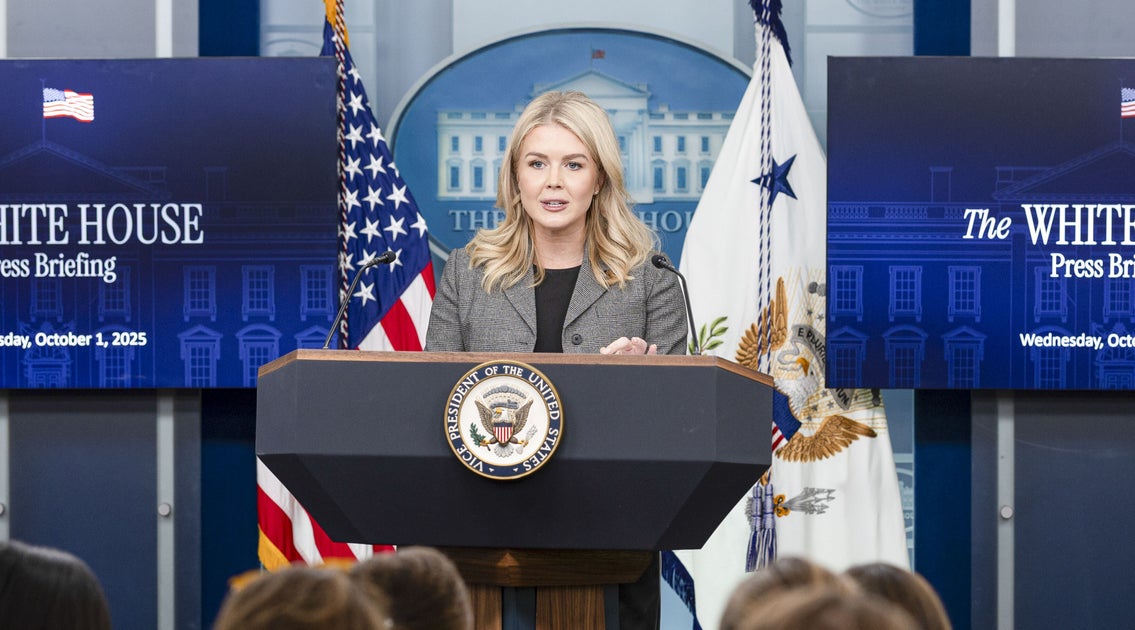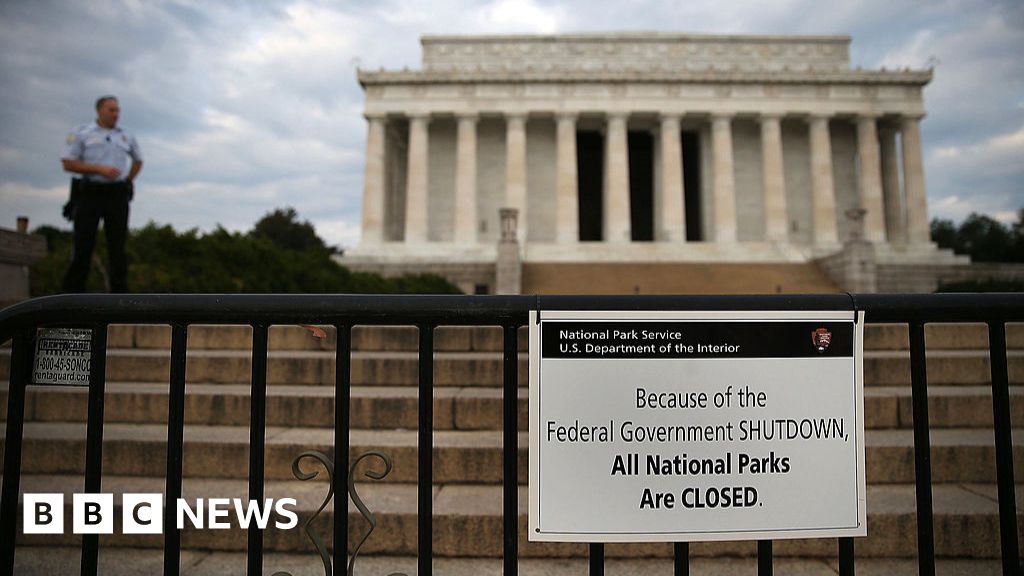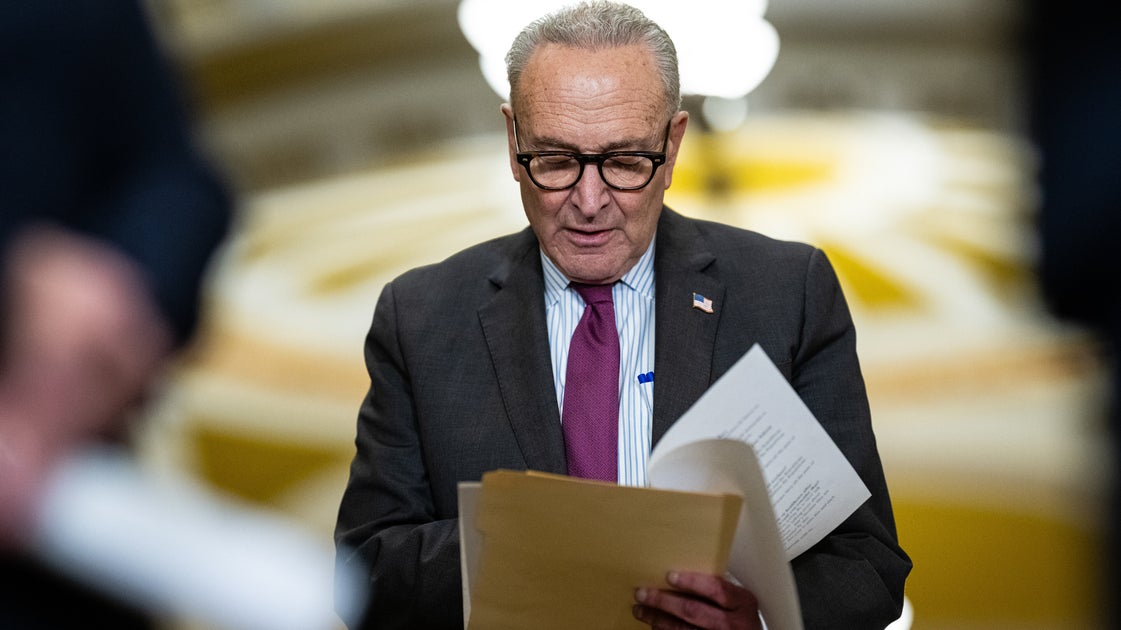
As Congressional Democrats and Republicans continue to trade blows in a standoff over government funding, the resulting government shutdown that began at 12:01 a.m. on Oct. 1 has already started impacting average Americans.
While some public benefits like Social Security payments and general Medicare and Medicaid coverage continue to be paid during a shutdown, seniors who rely on Medicare could still face major changes and new barriers to receiving medical care.
Two COVID-era programs that expanded access to healthcare expired on Sept. 30, despite having largely bipartisan support: One provided greater flexibility around telehealth and another allowed hospitals to continue high-level care at home. Both lost funding when lawmakers failed to pass a budget plan addressing either, resulting in some near-immediate changes for Medicare recipients.
Here's what to know about telehealth and in-home care services during the shutdown.
As part of the shutdown, Congress missed the deadline on extending COVID-era telehealth programs for Medicare beneficiaries, meaning previous restrictions will go back into place until lawmakers pass some sort of budget measure, according to the Centers for Medicare & Medicaid Services (CMS).