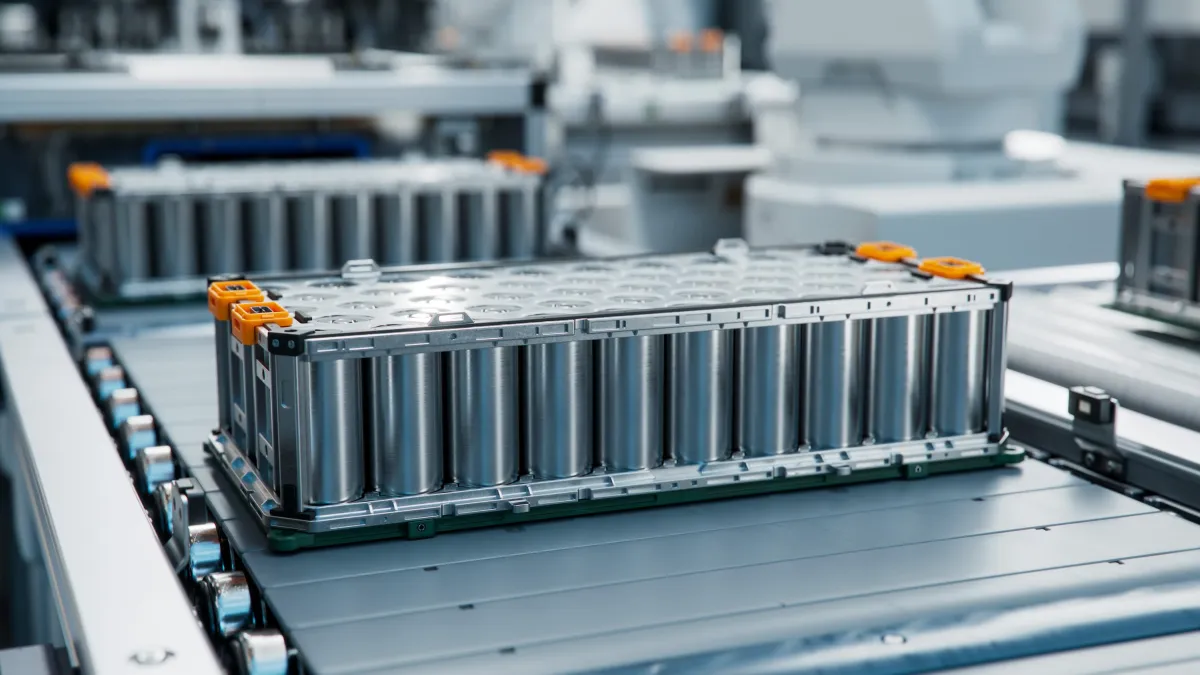
The battery world has fallen head over heals for lithium-iron-phosphate cells, a cheap, durable chemistry that can lower the price of a vehicle by thousands of dollars. Tariffs and anti-China regulations have complicated the picture for American automakers.
“We think LFP is the missing ingredient for energy prosperity. The problem is it’s literally 99% made in China,” Eric McShane, co-founder and CEO of Electroflow, told TechCrunch. “If we want to have a chance of competing, we’ve got to flip that script.”
McShane and his co-founder, Evan Gardner, have developed a technology they think is capable of undercutting Chinese producers on cost by removing several steps in the production process. If they can deliver, they could reduce the cost of an LPF battery by as much as 20% while building a domestic supply chain.
“We looked at the whole process of mining, starting from the rock or the salt water and getting all the way to a lithium chemical. We were like, man, that’s like ten steps,” he said. “That clearly is not the best way to do it.”
Much of the world’s lithium comes from salty water found deep underground. When pumped to the surface, those brines can be processed to extract the lithium they contain. Brines in the United States contain millions of tons of lithium, enough to produce millions of EVs per year. The potential is so large that ExxonMobil is developing a site in Arkansas, but refining costs make competing with Chinese suppliers difficult.