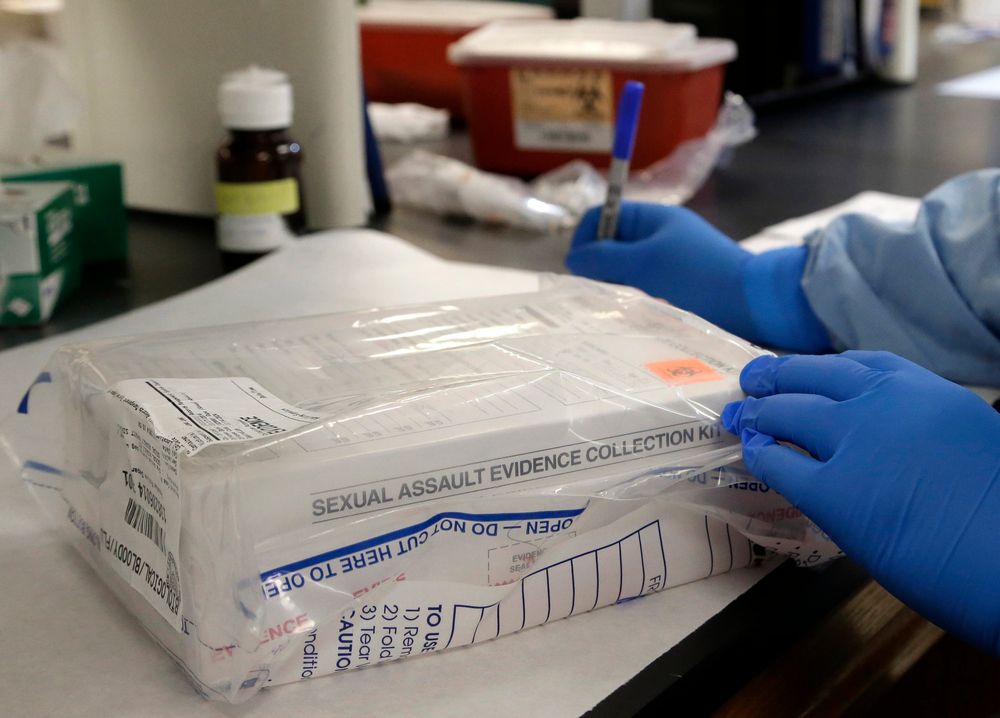
A year after a USA TODAY investigation revealed that police around the country weren’t following up on DNA evidence from unsolved rape cases, the U.S. Department of Justice has published a report urging them to do so.
But the guidance doesn’t guarantee the problem will be solved.
That’s because a federal grant program designed to help state and local agencies deal with untested rape kits has not addressed significant deficiencies uncovered by USA TODAY in 2024: Agencies that receive grants face no penalties if they ignore the justice department's recommendations.
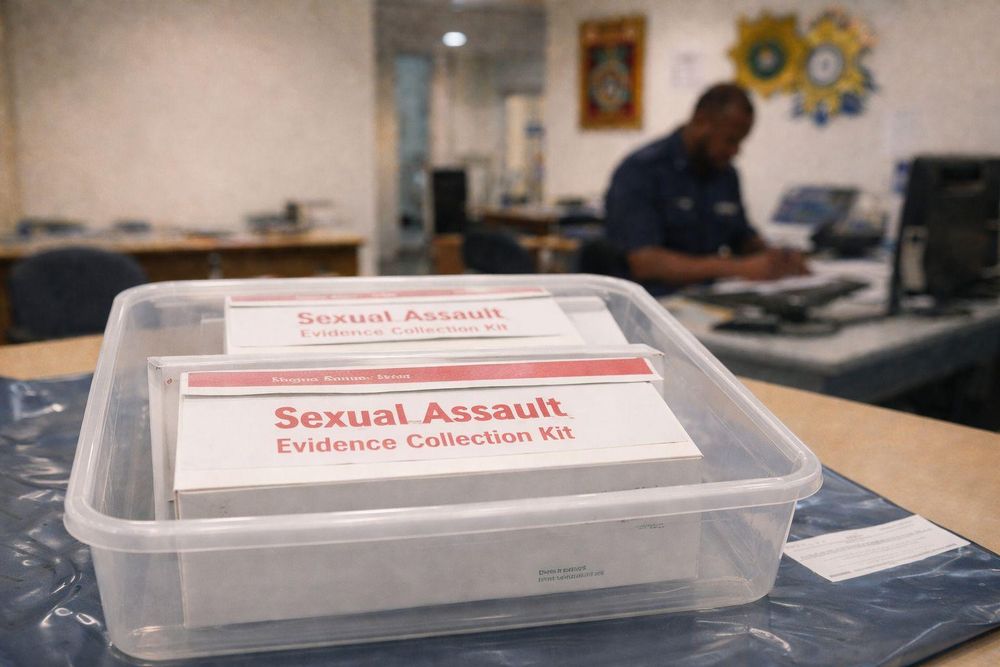
The news organization found that although the grant program has spent nearly $350 million since 2015, cases continue to hit the same roadblocks they did when victims first came forward months or years earlier: kits left untested, haphazard or cursory reviews by police and prosecutors, and a reluctance to inform people about what happened to evidence collected from their own bodies.
The new report recommends that agencies develop written policies that lay out “expectations, roles, and responsibilities” for what to do when evidence from a previously untested rape kit matches a profile in the national DNA database, known as CODIS. Those matches allow police to link the genetic evidence in unsolved crimes to specific people, other crimes, or both. The matches can be key to solving cases, but only if police find out about them and take action.