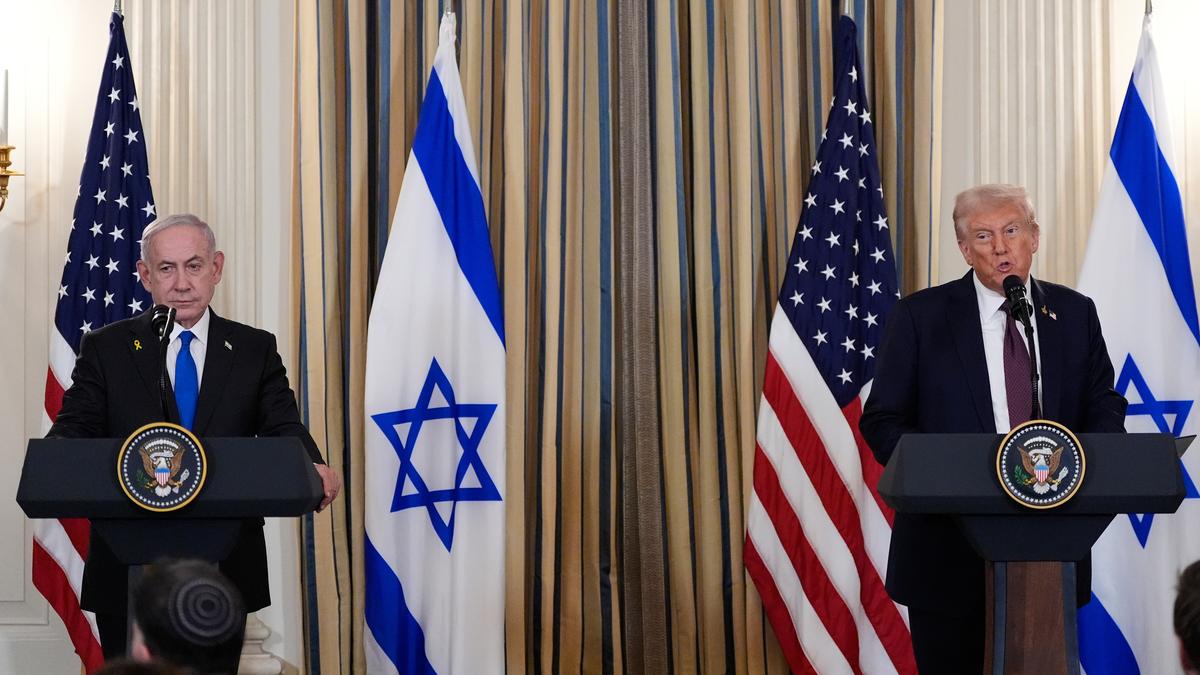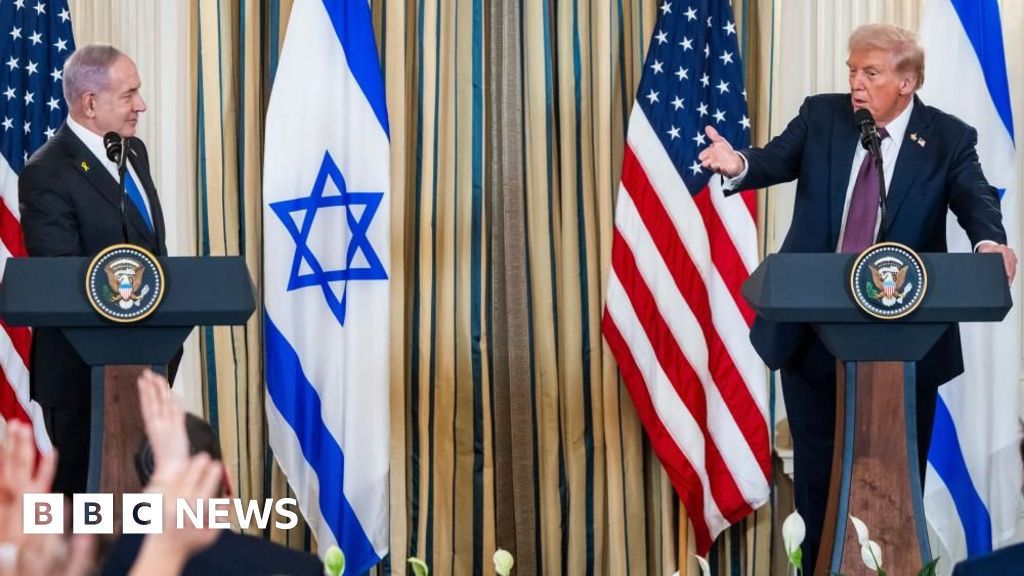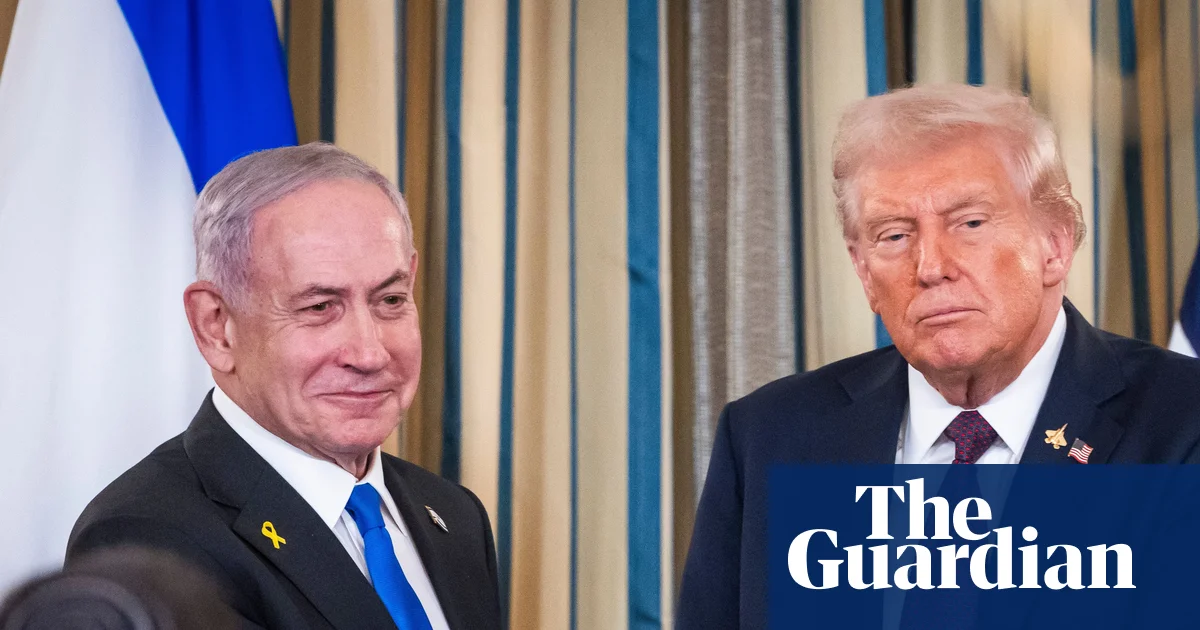
LONDON: Within hours of Monday’s press conference at the White House, it seemed the whole world was ready to enthusiastically embrace the 20-point peace plan proposed by US President Donald Trump and — with a certain degree of arm-twisted reluctance — accepted by Israeli Prime Minister Benjamin Netanyahu.
But with the best will of the world, say observers, the survivability of the peace plan depends on neither Trump nor Netanyahu, but on two factions not consulted in its creation: Hamas and the right-wing members of Netanyahu’s government, who see any form of peace with Hamas as a betrayal and capitulation.
According to Qatar, the Hamas delegation in Doha has agreed to study the peace proposal “responsibly.” Meanwhile, the Palestinian Authority said it welcomed “the sincere and determined efforts of President Donald J Trump to end the war on Gaza and affirms its confidence in his ability to find a path toward peace.”
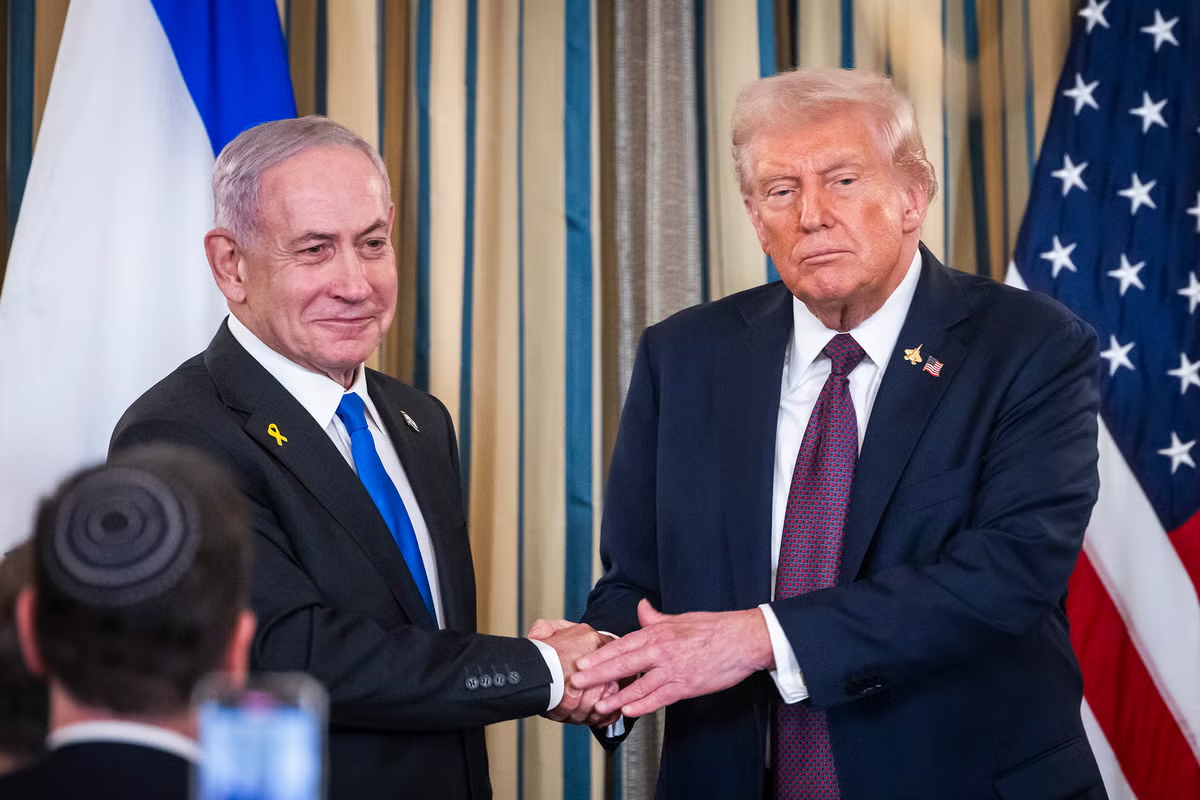
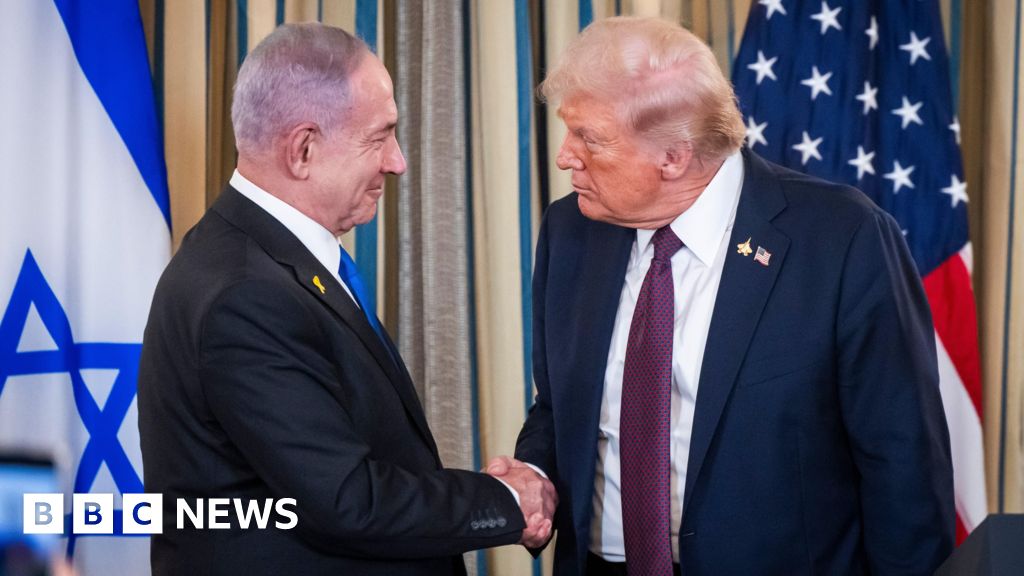
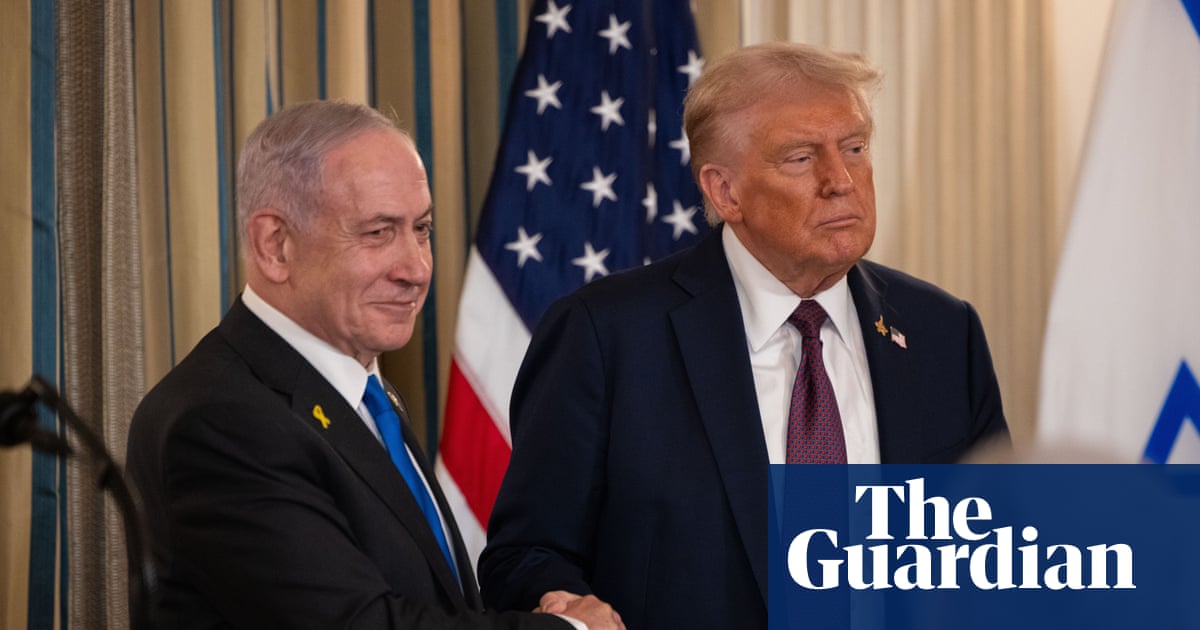
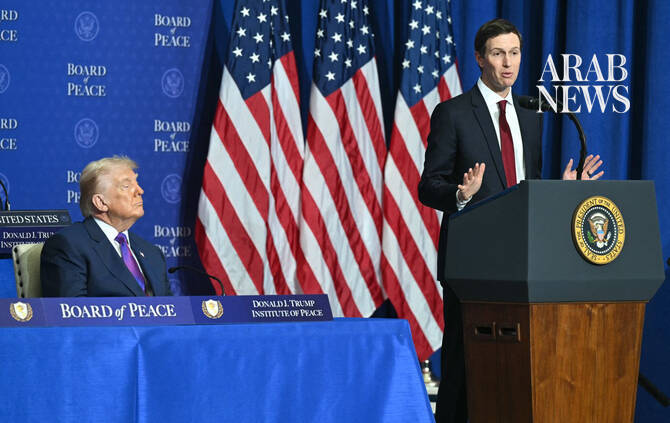
President Donald Trump shakes hands with Israeli Prime Minister Benjamin Netanyahu at the White House on Sept. 29, 2025. (AFP)
But if they so choose, the right-wing members of Netanyahu’s cabinet could force the collapse of his government, triggering an election in the new year and imperiling the peace process.