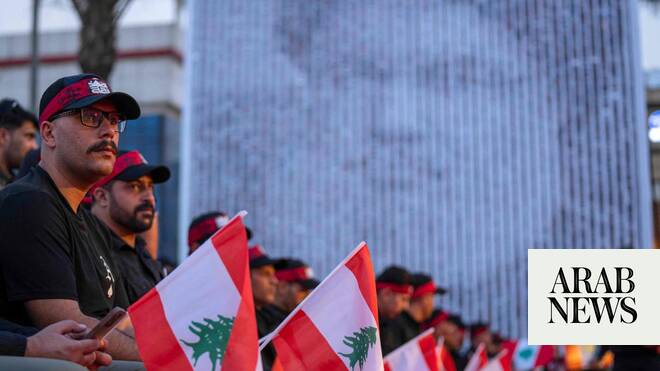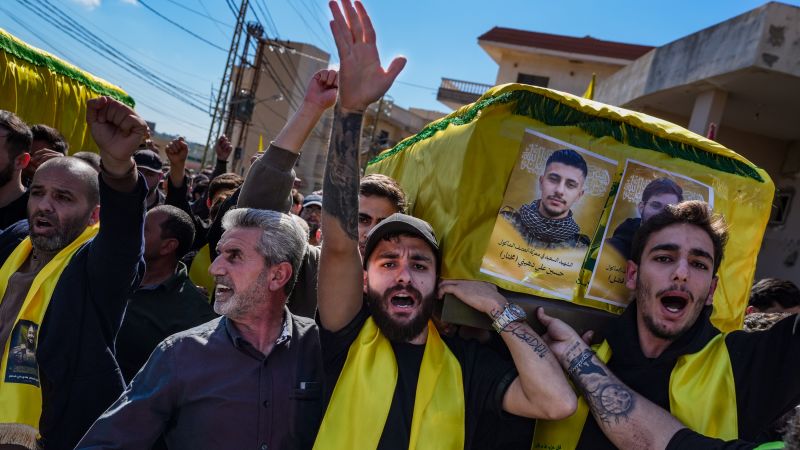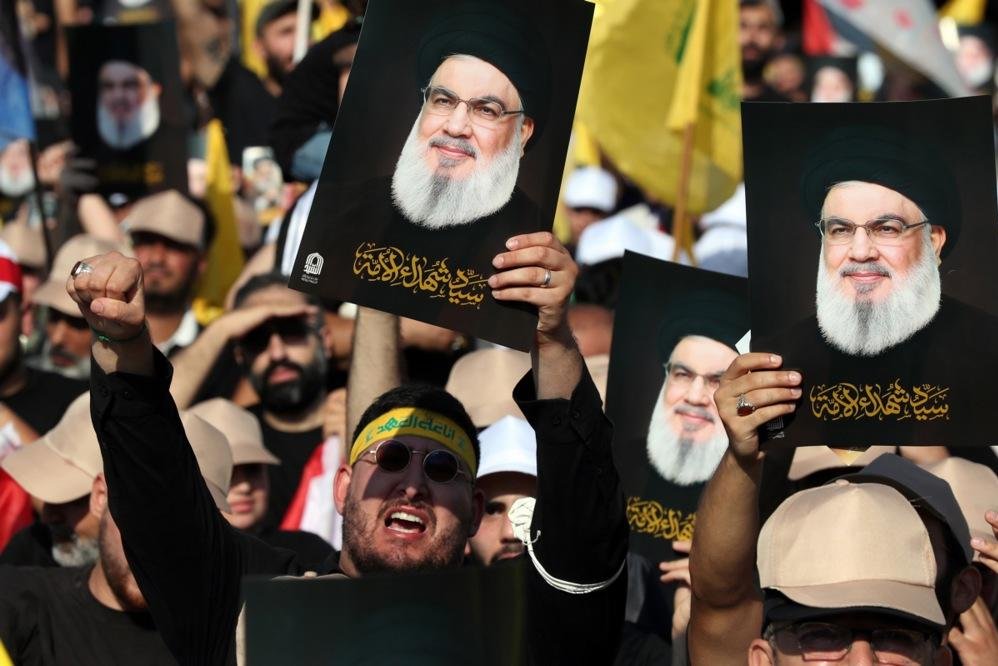
Supporters of the Lebanese Shia Islamist party and paramilitary group Hezbollah attend a gathering to mark the death anniversary of former Hezbollah leader Hassan Nasrallah outside his grave in Beirut, Lebanon, on Saturday. Nasrallah was killed in an Israeli airstrike targeting a Hezbollah command center in Haret Hreik, southern Beirut, on September 27, 2024. Photo by Wael Hamzeh/EPA
BEIRUT, Lebanon, Sept. 30 (UPI) -- Hezbollah, which emerged significantly weakened from a devastating war with Israel, now faces an existential crisis as it struggles to cope with sweeping changes across the Middle East -- changes that have also shaken its key ally, Iran, according to political analysts.
A year after Israel's aggressive military campaign that combined a massive air offensive, targeted assassinations of top commanders and a limited ground incursion, Hezbollah has reasserted a defiant stance, shifting from the more subdued tone it adopted after being forced to accept the Nov. 27, 2024, cease-fire agreement.
The Iran-backed group now claims it has fully recovered, restructured its military capabilities and rebuilt its command structure. Most critically, it insists it will never relinquish its weapons and categorically refuses to disarm, arguing that its arsenal -- or what remains of it -- is still the only effective means to defend Lebanon and deter Israel.