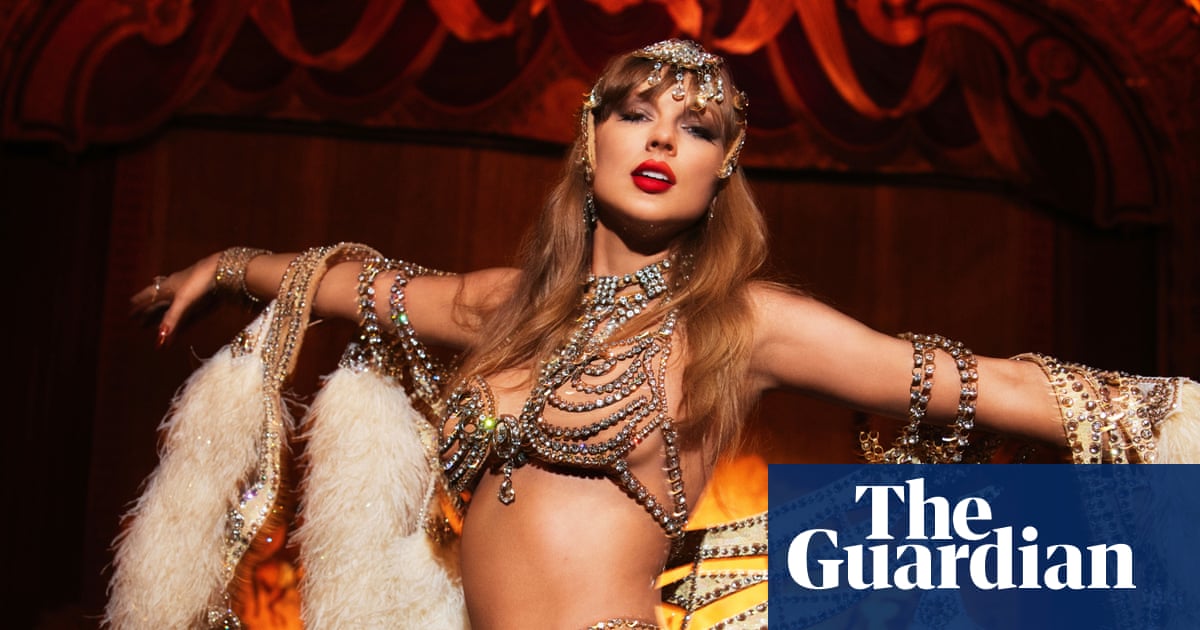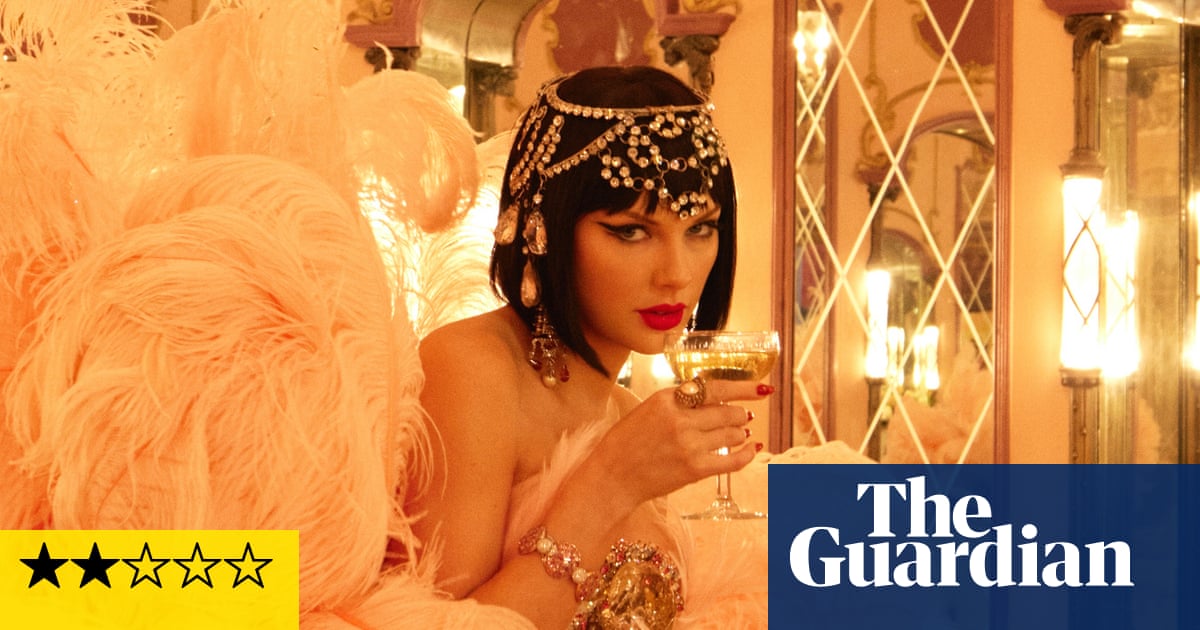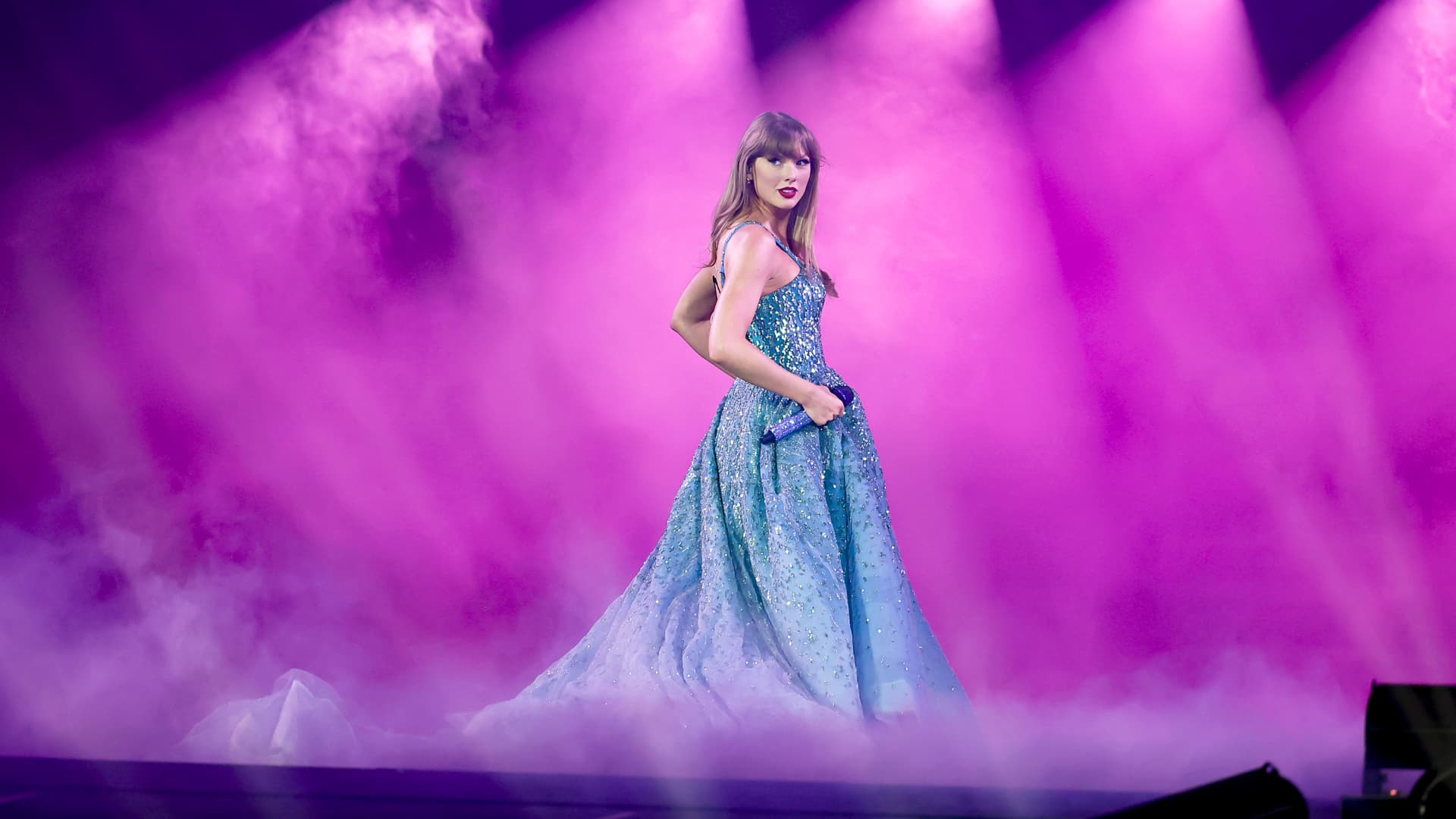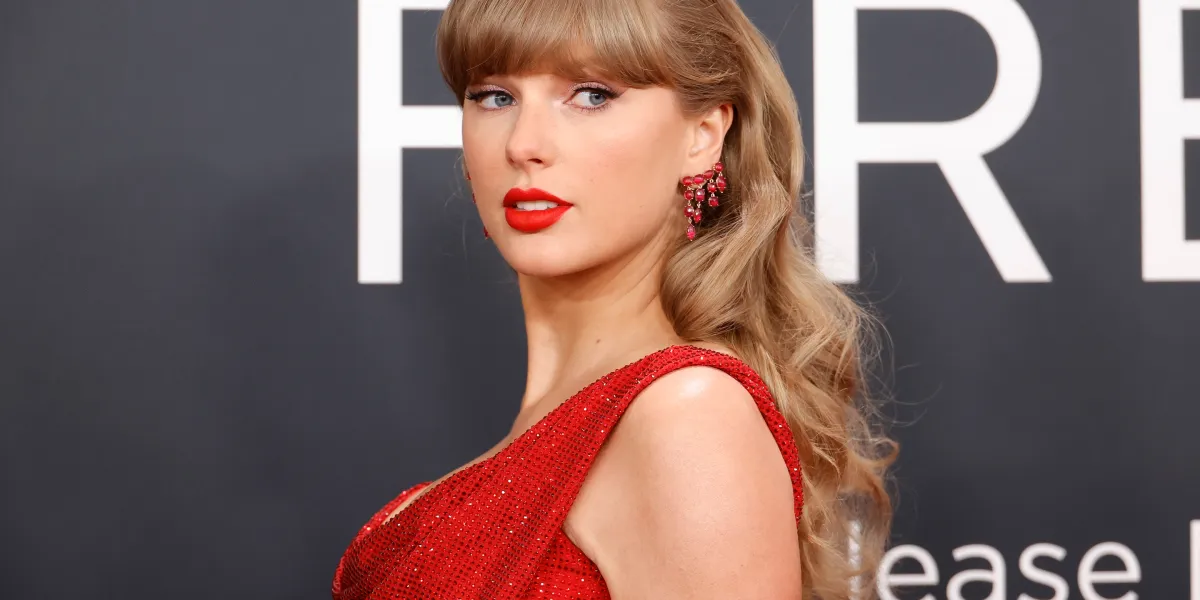
Taylor Swift’s rise is a master class in strategy—rooted in constant reinvention, platform-savvy releases, and fan-centric execution—and it provides a timely frame for the Oct. 3 rollout of her new album The Life of a Showgirl.
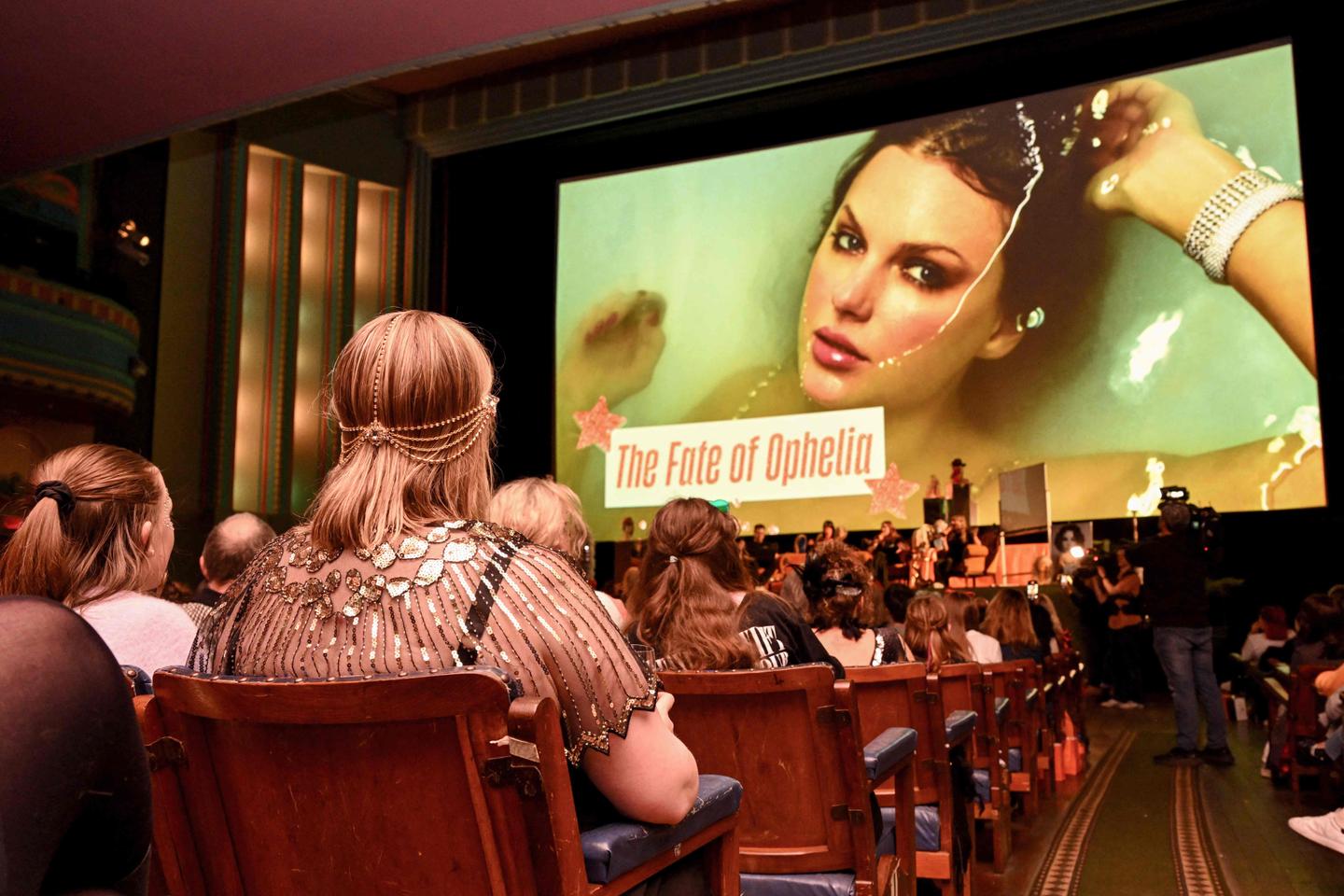
Her latest album’s cinematic release-party strategy and collectible editions extend a well-honed playbook that blends scarcity, spectacle, and direct-to-fan commerce—drivers that helped propel her to billionaire status and turn “Swift Inc.” into a cultural and economic force.
In an analysis for Harvard Business Review, Kevin Evers argues Swift’s edge comes from “productive paranoia,” disciplined pivots, and a willingness to change direction before the market forces it, keeping momentum across genres and eras even when doing more of the same looked optimal on paper. When practiced correctly, Evers argues, you can build a business empire by playing a different game than all your supposed competition.
The best comp isn’t an act like the Beatles, which Evers points out had a fraction of the career that Swift has built, but actually the Marvel brand: Marvel Comics, not Marvel Studios. Evers noted noted that DC Comics, home of blue-chip characters Batman and Superman, dominated the industry before Marvel’s “creative transformation” in the 1960s. But the productive paranoia from Marvel editor-in-chief Stan Lee and writer-artists Jack Kirby and Steve Ditko saw beyond the DC model of “churning out mythical stories for children and teens.” What set them apart was content featuring “more-human and flawed superheroes” that was marketed to college students and adults. Marvel didn’t have competition, just as Swift didn’t in her early years, Evers argued.