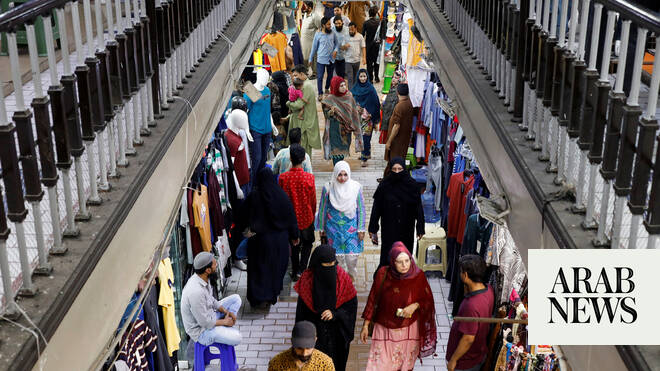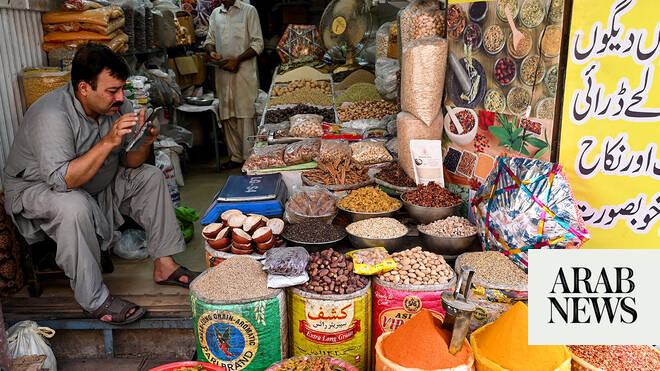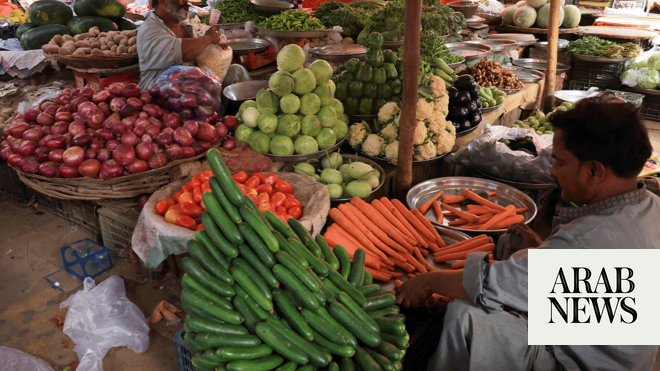
Pakistan’s average inflation to rise to 6% in FY26 due to flood impacts, gas tariffs
ISLAMABAD: The Asian Development Bank (ADB) said in its latest report on Tuesday that Pakistan’s average inflation is expected to rise to 6 percent during fiscal year 2026, reflecting the impact of flood-related supply chain disruptions and recent increase in gas tariffs on prices.
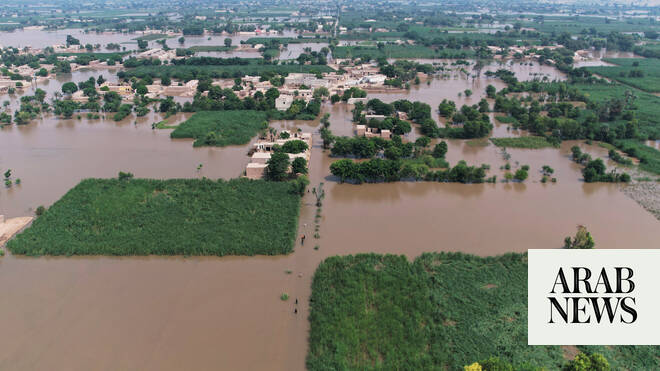
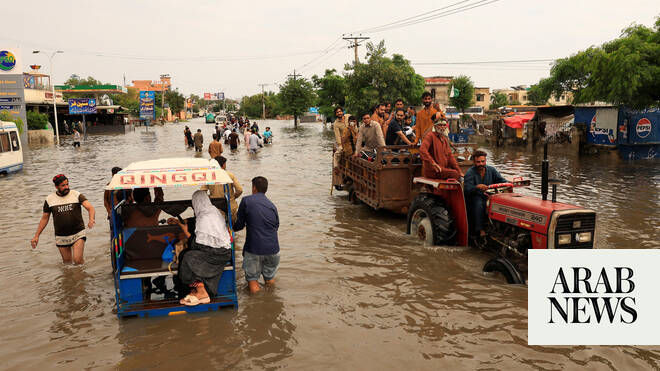
Heavy monsoon rains and excess water released from dams in India triggered floods in Pakistan’s eastern Punjab province, also known as its breadbasket province, since late August. Over 2.5 million people were evacuated to safer locations as thousands of acres of farmland were inundated with floodwaters. Experts warned of looming food shortages and price hikes due to the deluges.
In July, Pakistan’s government revised gas prices for the fiscal year 2025-26 and okayed a 50 percent increase in fixed charges for domestic consumers. The move was in line with Pakistan’s structural benchmarks agreed with the International Monetary Fund (IMF), including rationalization of captive power tariffs and a shift from subsidies to direct, targeted support for low-income consumers.
“Average inflation is projected to increase to 6.0 percent in FY2026, reflecting the impact of flood-related supply chain disruptions on food prices and the increase in gas tariffs,” the ABD said in a report. “In response, the central bank is expected to adopt a cautious approach to easing monetary policy to stabilize inflation within its medium-term target range of 5 percent–7 percent.”