T
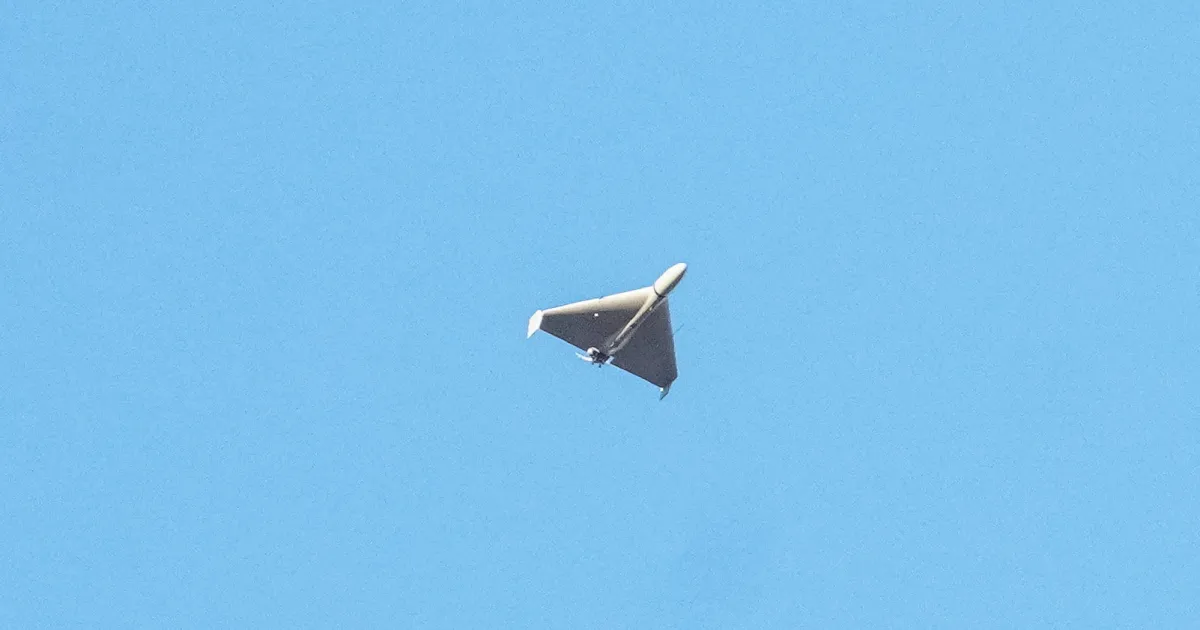
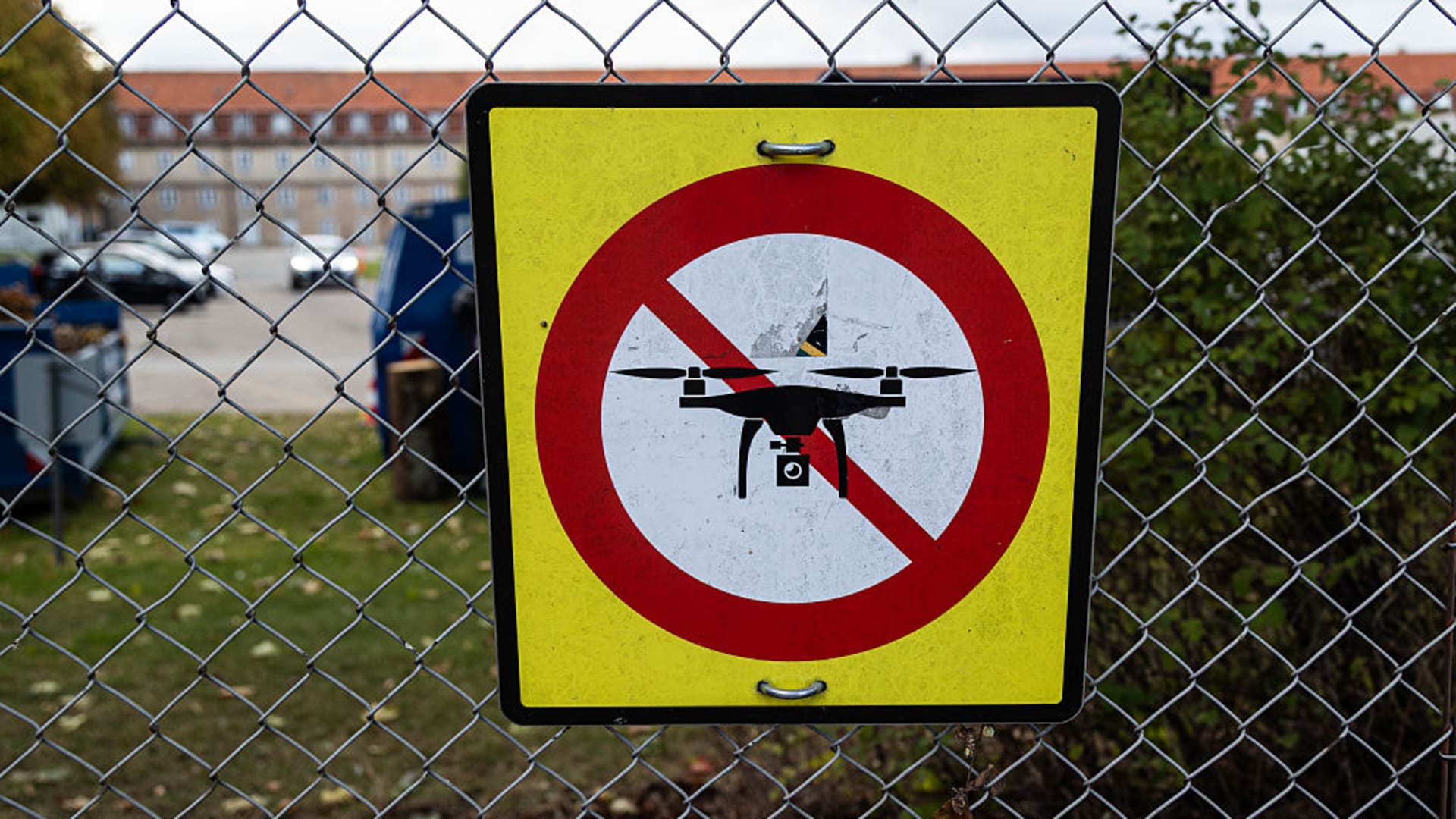
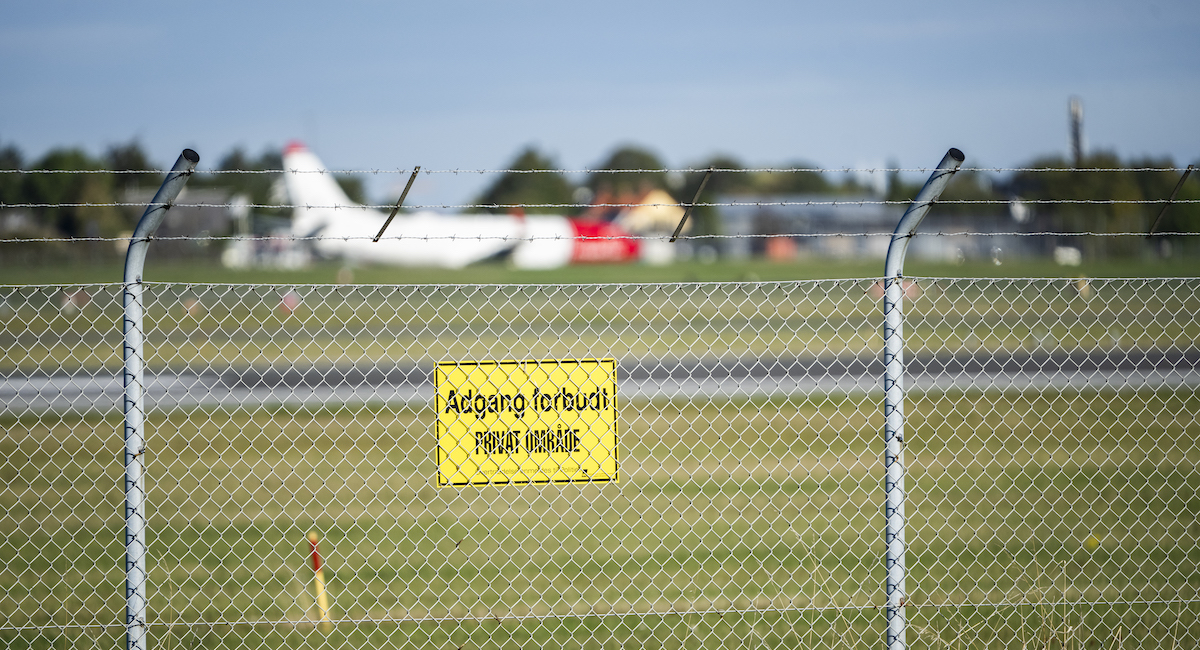
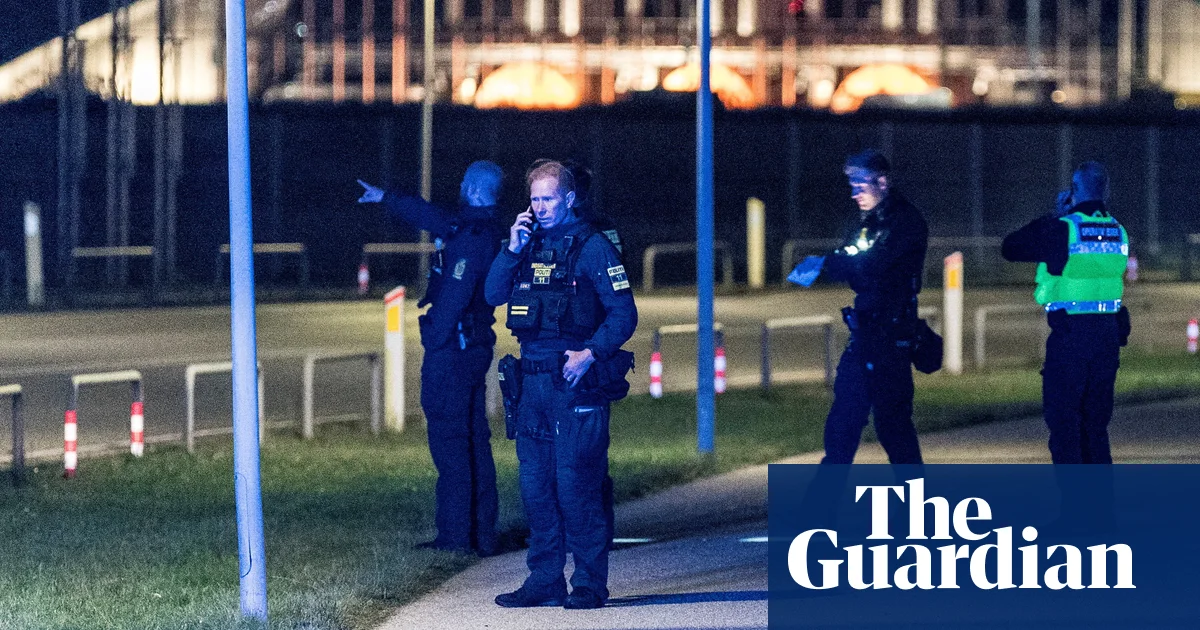
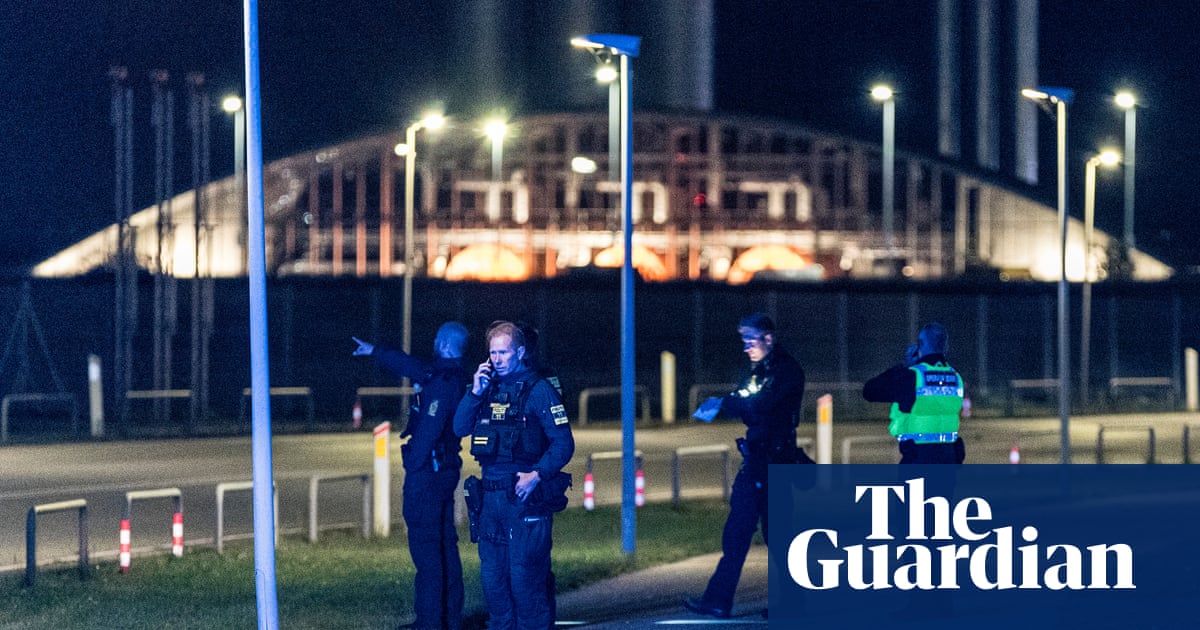
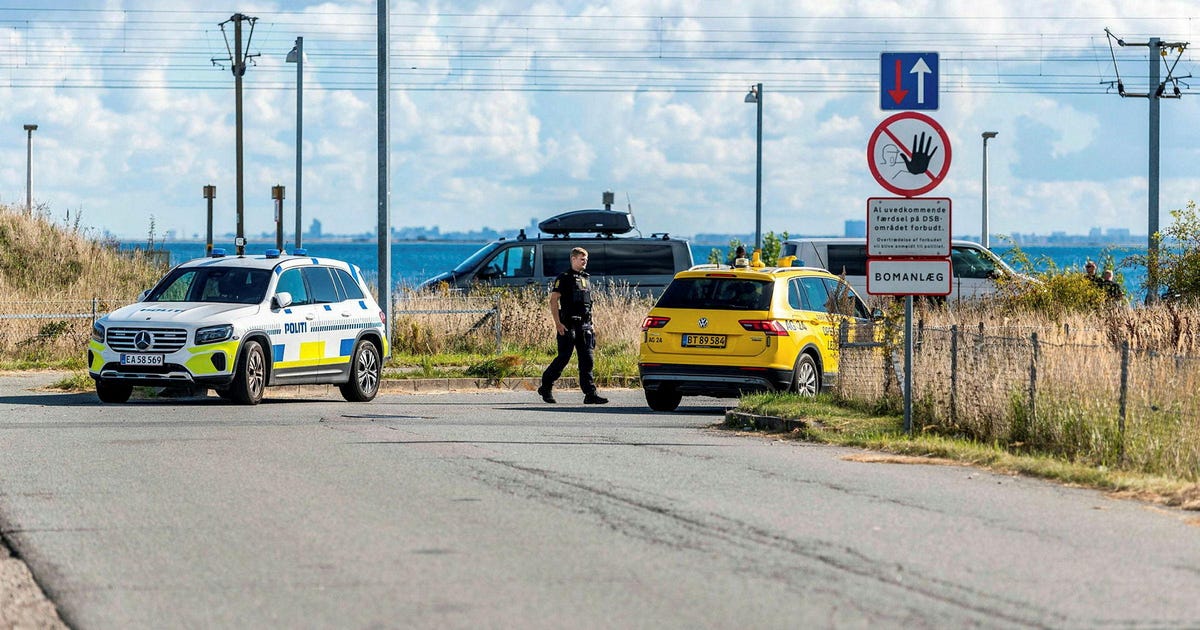
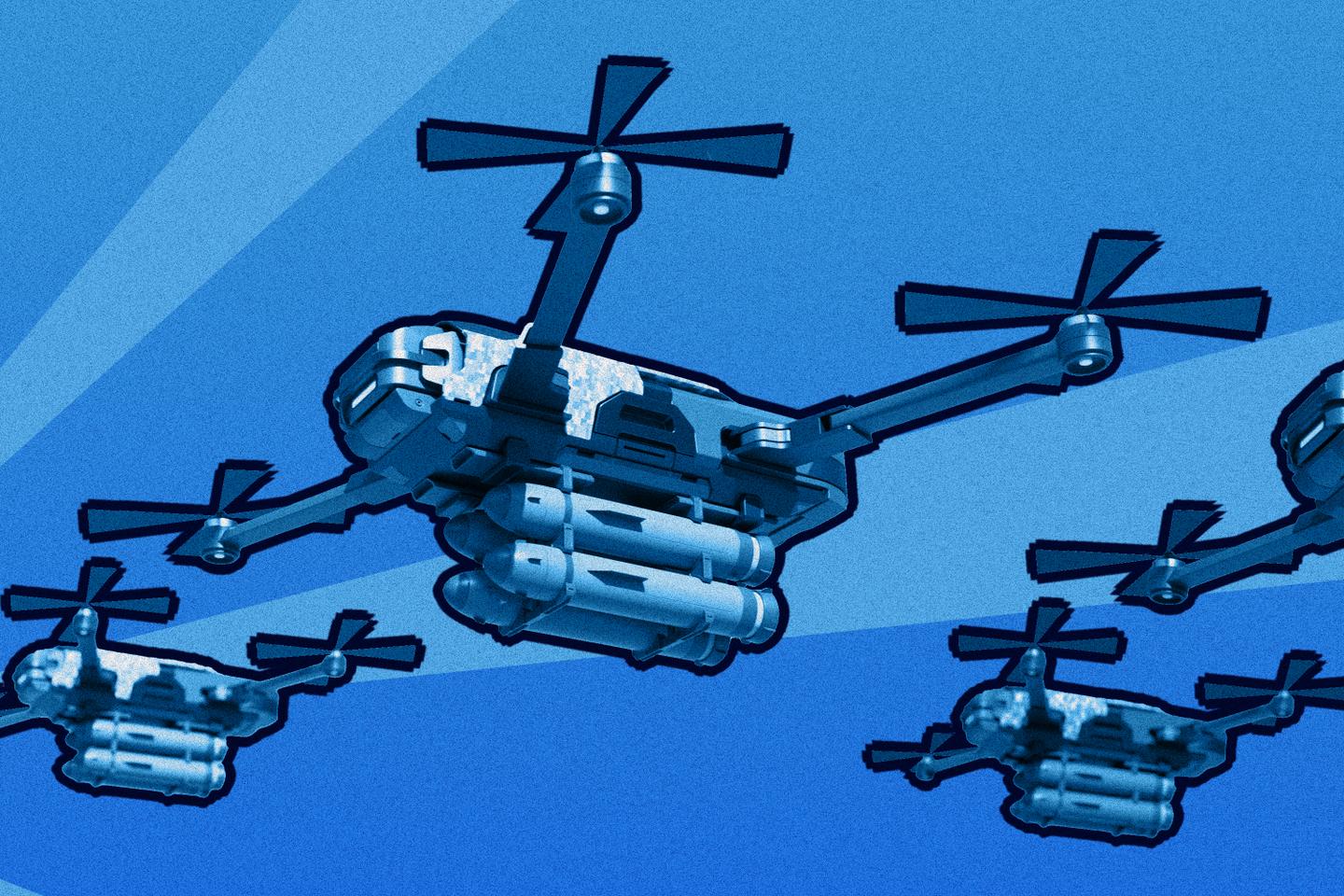
he overflight of drones, likely Russian, at the airports of Copenhagen, Stockholm, and the Norwegian Akershus fortress, is part of a long series of intimidations by the Kremlin. It followed the incursion of three Russian fighter jets into Estonian airspace and drones of the same origin flying over Poland and Romania. Around the same time, four airports suffered cyberattacks, the perpetrators of which remain unknown.
However, the intrusion – hardly likely to have been accidental – targeted the American company Collins Aerospace, which provides check-in and boarding systems and had just secured a contract with the North Atlantic Treaty Organization (NATO) for an electromagnetic warfare command and control system.
These events occurred after many other attacks: fires in Poland attributed to the Kremlin; jamming of the GPS signal of European Commission President Ursula von der Leyen's plane, and, following the drone episode, of the plane of Spanish Defense Minister Margarita Robles; and the explosion of parcels apparently meant to detonate on cargo planes in flight. There have also been targeted assassinations of Russian opponents, acts of sabotage, and an attempted attack against the president of Germany's Rheinmetall company, which supplies military equipment to Ukraine, in July 2024. As early as 2014, the attack on two ammunition depots in Vrbetice, Czech Republic, had claimed two lives.