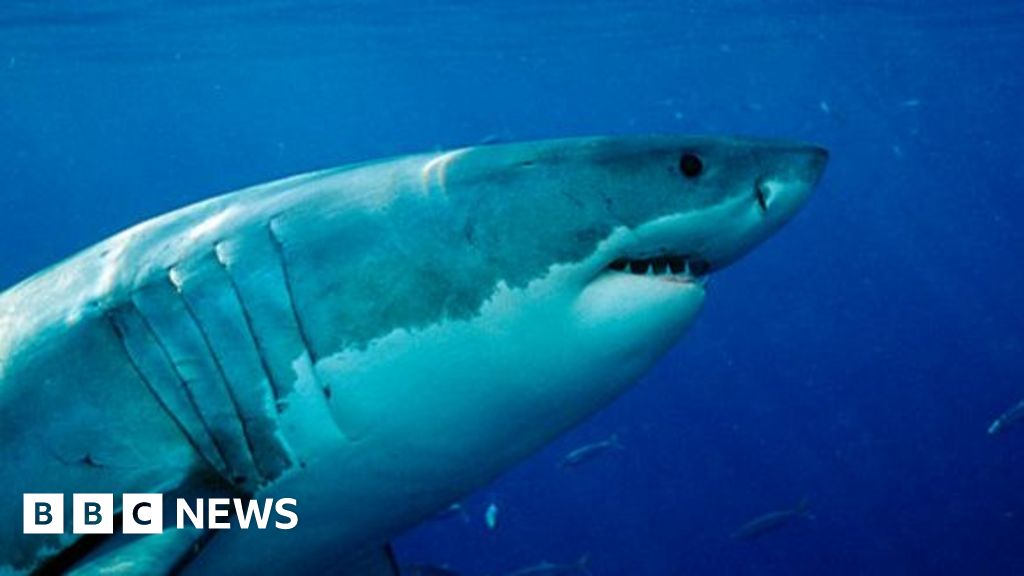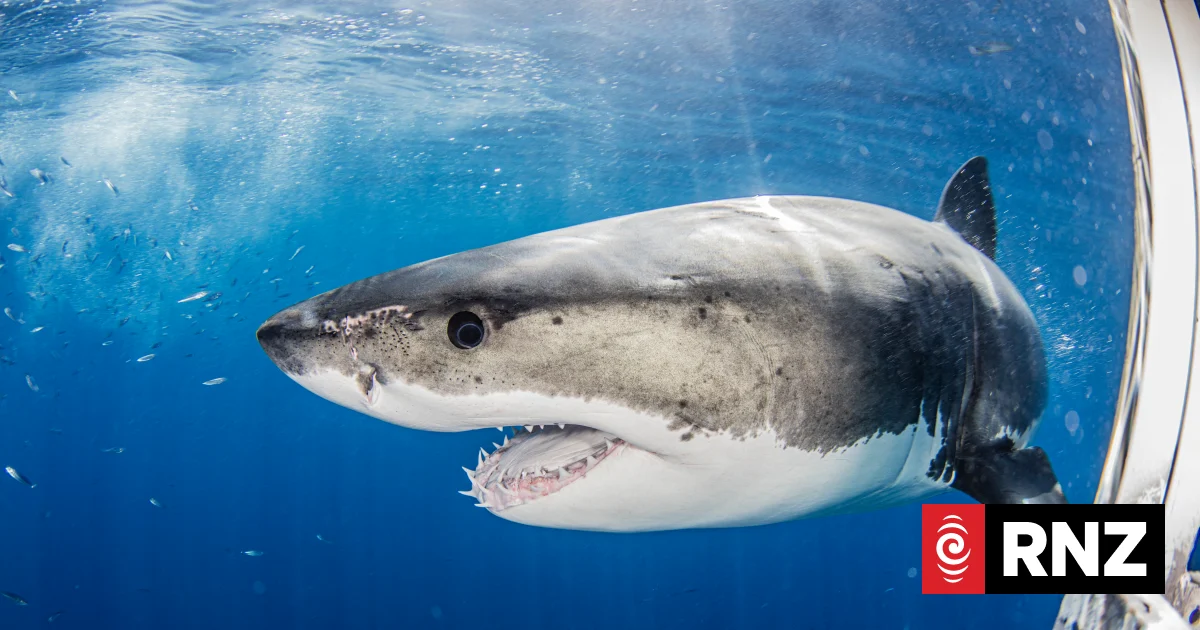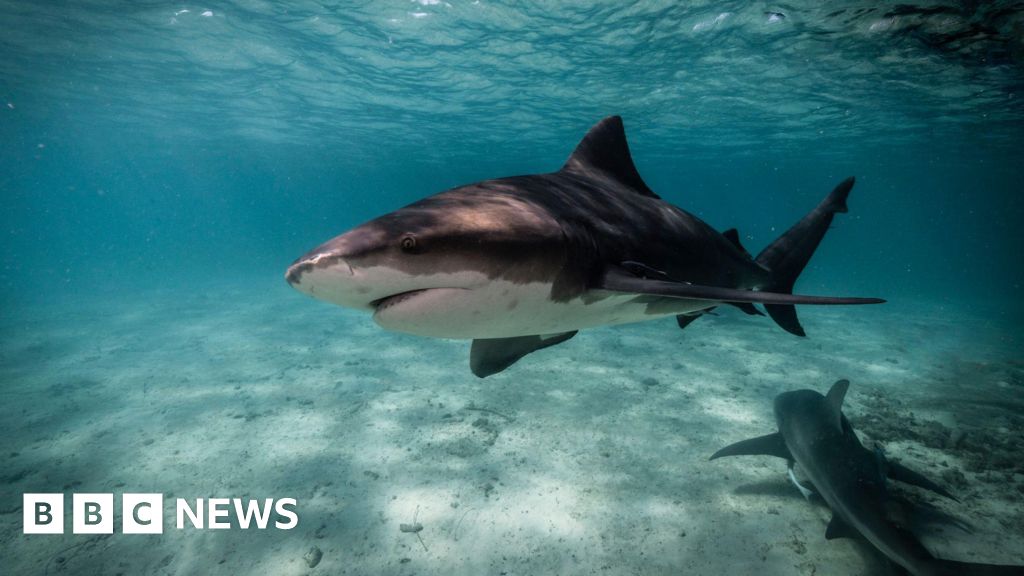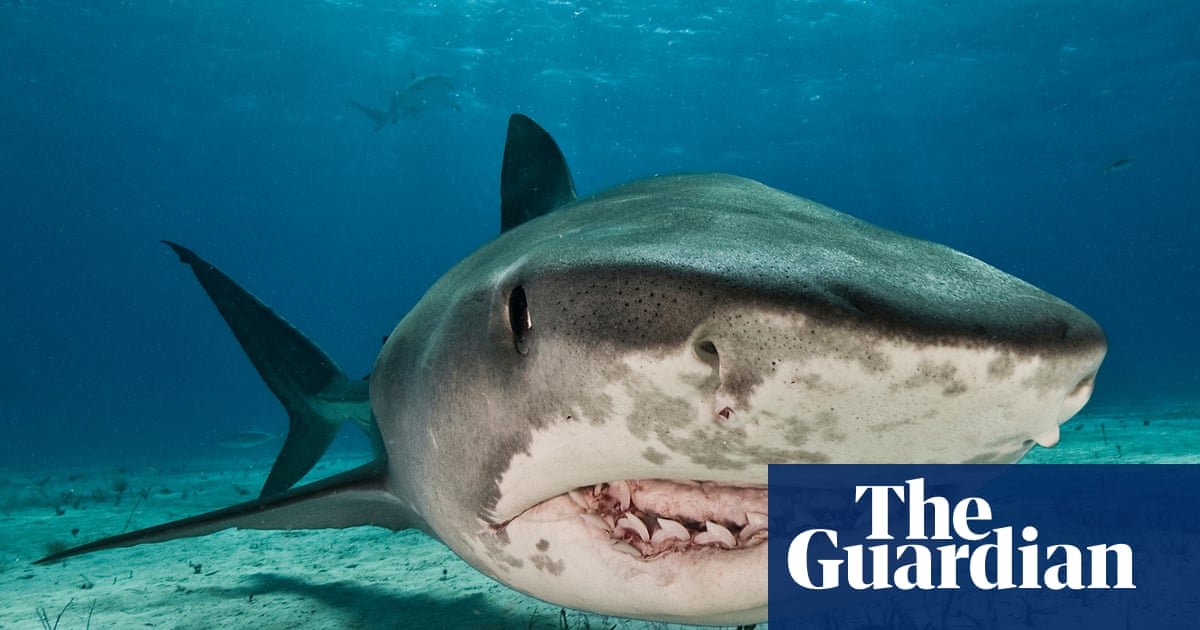
Some experts think a few sharks may be responsible for a disproportionate number of attacks. Should they be hunted down?
F
irst was the French tourist, killed while swimming off Saint-Martin in December 2020. The manager of a nearby water sports club raced out in a dinghy to help, only to find her lifeless body floating face down, a gaping wound where part of her right thigh should have been. Then, a month later, another victim. Several Caribbean islands away, a woman snorkelling off St Kitts and Nevis was badly bitten on her left leg by a shark. Fortunately, she survived.
Soon after the fatal incident in December, Eric Clua, a marine biologist at the École Pratique des Hautes Études in Paris, got a phone call. Island nations often ask for his help after a shark bite, he says, “because I am actually presenting a new vision … I say, ‘You don’t have a problem with sharks, you have a problem with one shark.’”
Human-shark conflicts are not solely the result of accidents or happenstance, Clua says. Instead, he says there are such things as problem sharks: bold individuals that may have learned, perhaps while still young, that humans are prey. It’s a controversial stance, but Clua thinks that if it’s true – and if he can identify and remove these problem sharks – it might dissuade authorities from taking even more extreme forms of retribution, including culls.