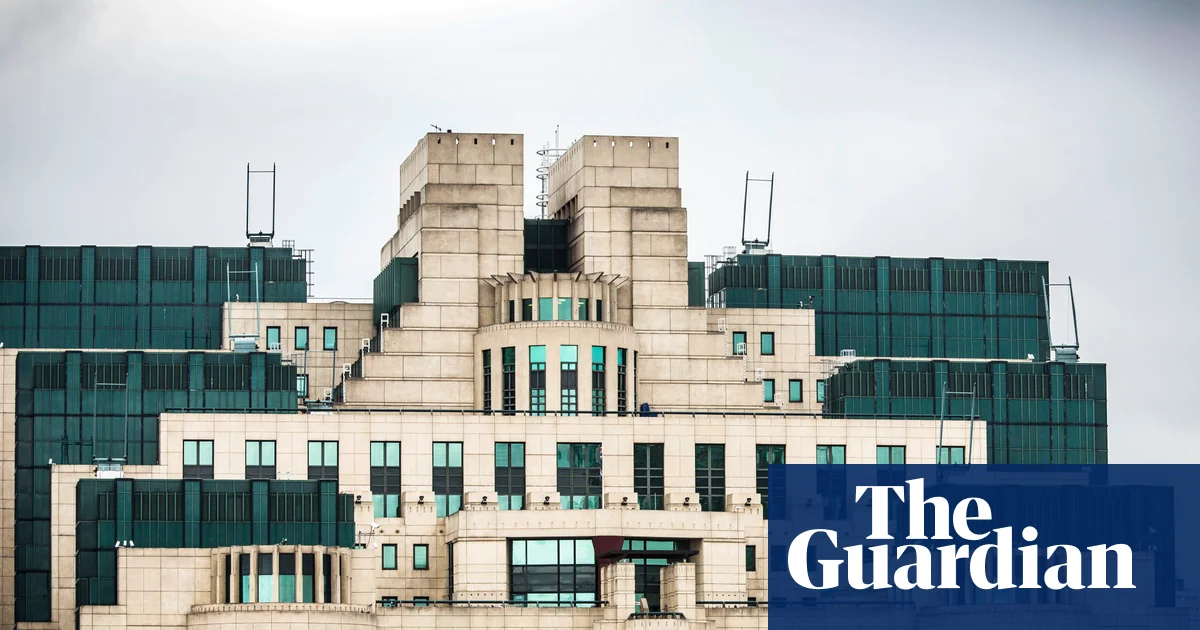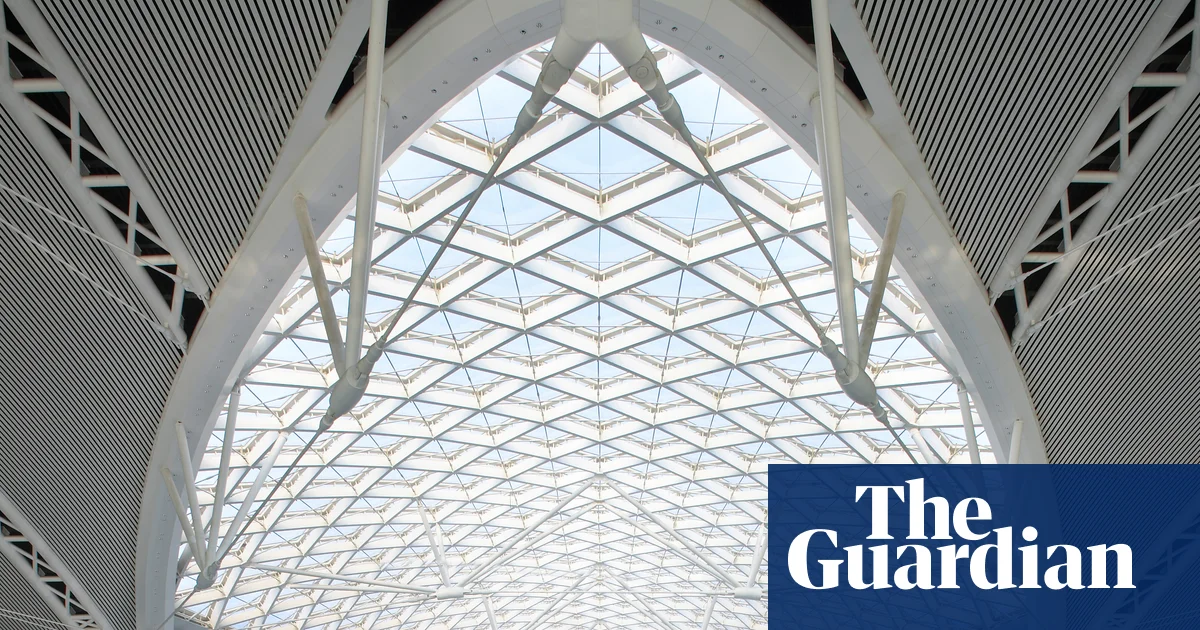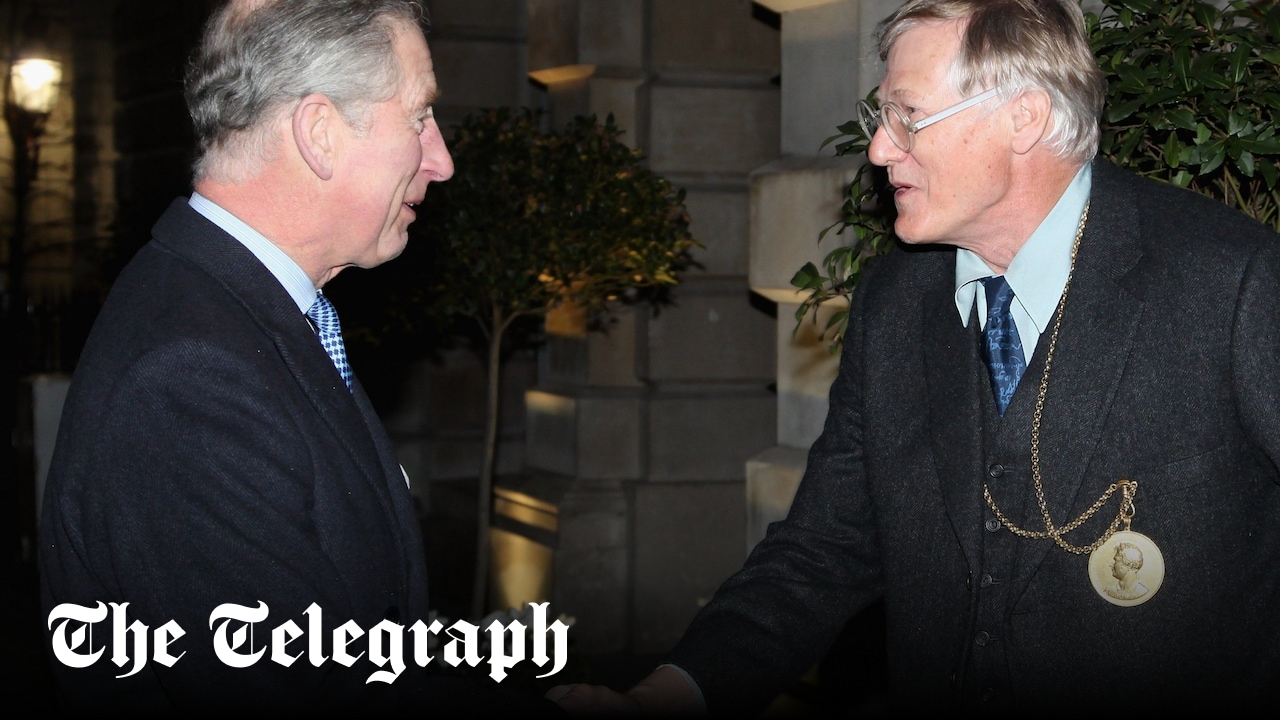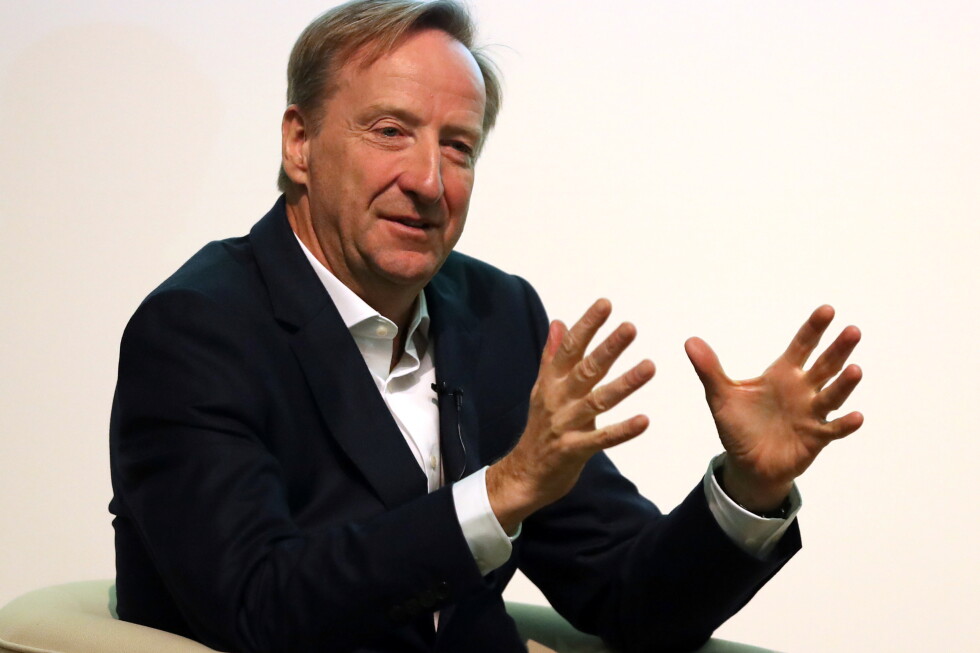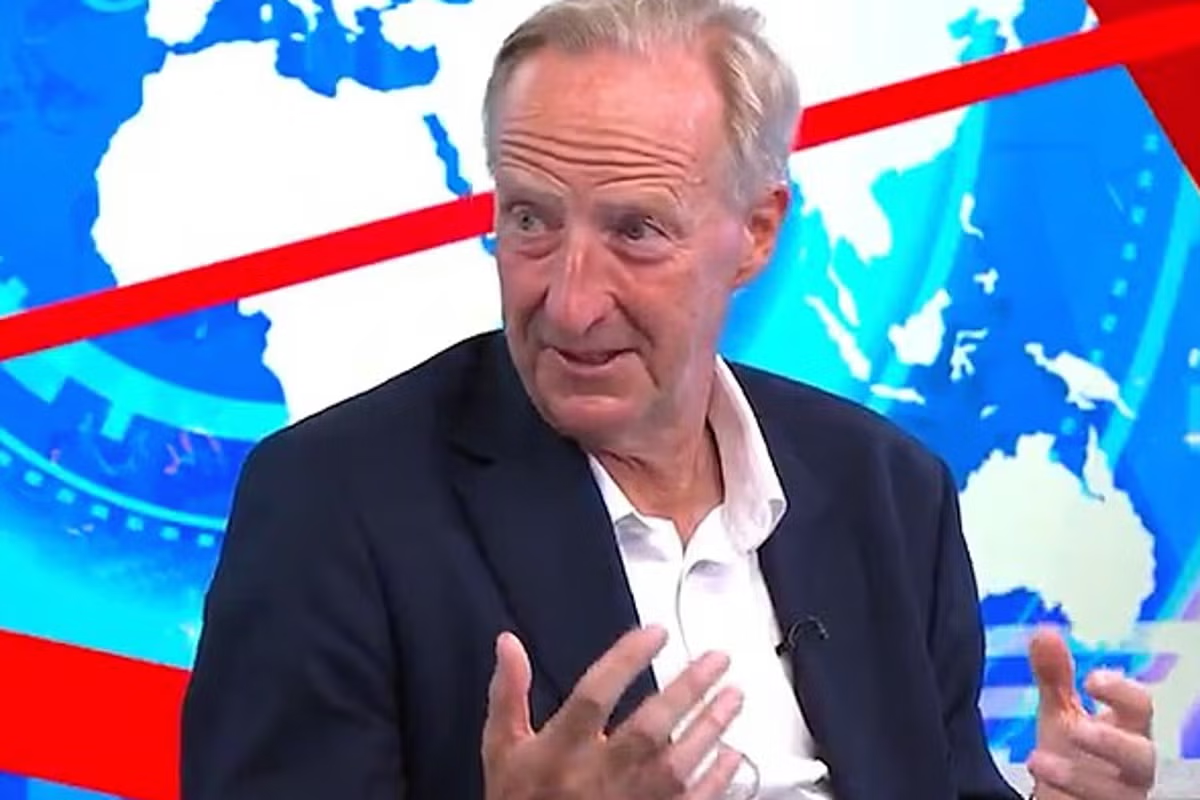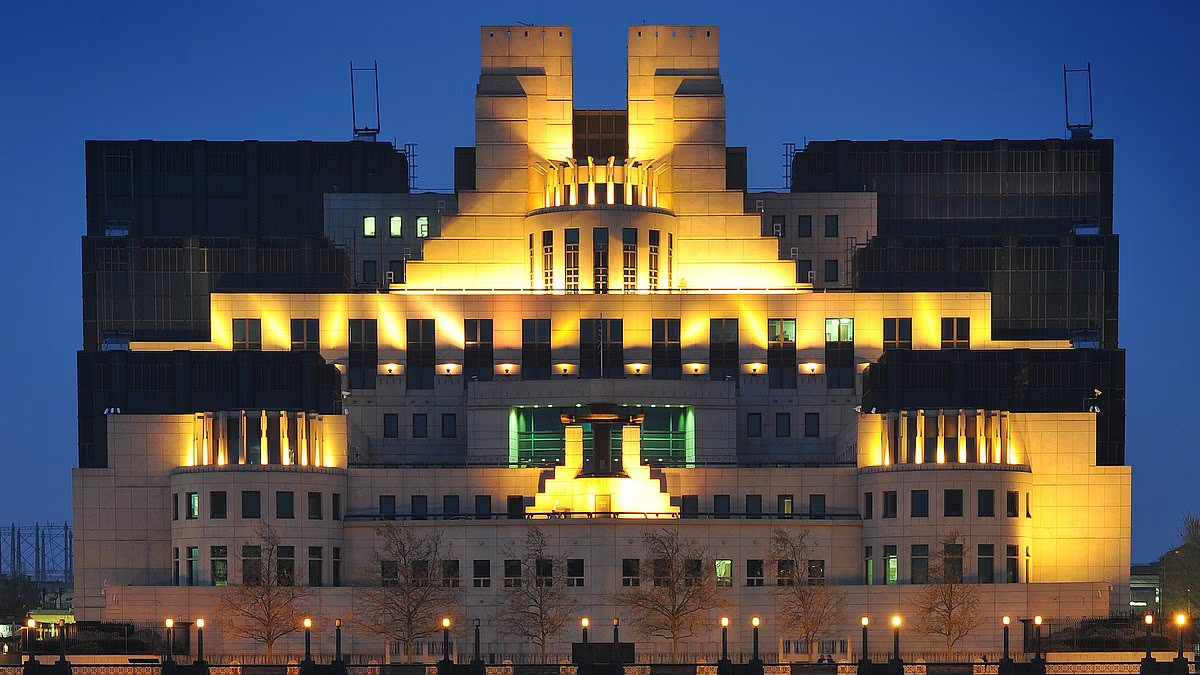
The architect who designed the MI6 headquarters and a massive station Brits walk past every day has died aged 87. Sir Terry Farrell was the brains behind the foreign intelligence service's unique base, which opened in 1994, on the south bank of the River Thames. Its distinctive green and cream facade and boxy art deco-style shape has since gained iconic status as an integral part of London's skyline. The home of British espionage has also of course become a key touchpoint of spy films, featuring throughout the James Bond franchise, including 2012's Skyfall. The designer's architecture firm, Farrells, announced the news on Monday in a statement shared 'with deep sadness' on behalf of Sir Terry's family.The statement from the studio in London read: 'Terry was frequently called a maverick, radical and a non-conformist, which he relished. 'He was an architect who was never quite part of the "architecture club", often going against the architectural establishment.'And Sir Terry was not just known for the SIS Building, the home of the Secret Intelligence Service (SIS) - better known respectively as the MI6 Building and MI6. Sir Terry Farrell (pictured receiving his knighthood in 2001) was the brains behind the foreign intelligence service's unique headquarters, which opened in 1994, on the south bank of the River Thames Its distinctive green and cream facade and boxy art deco-style shape (pictured) has since gained iconic status as an integral part of London 's skylineThe architect has also shaped the lives of the thousands of rail passengers who use the capital's Charing Cross station, which he redesigned in the late eighties. He was a key proponent of the 'hi-tech' movement of architecture in the eighties and nineties, with its characteristic futuristic and industrial look, the Independent reports. His family's statement continued: 'Terry constantly argued for a more responsive, responsible approach to large-scale projects with adaption and conversion as a creative and viable option to wholesale demolition and rebuild.'He will be remembered as the UK's leading architect planner whose enduring commitment to urbanism has helped shape government policy on key built environment issues.'Sir Terry started his career by partnering with fellow architect Nicholas Grimshaw, who died earlier this month, to launch a joint firm in 1965. The duo created the Herman Miller furniture factory in Bath, Somerset, with its sleek aluminium and glass panels. They also masterminded the 125 Park Road block of flats near the capital's Regent's Park, clad in gleaming metal with pioneering curved corner windows. Mr Farrell established his own firm in the eighties, going on to the headquarters for ITV's eighties breakfast show TV-am in the Camden area of north London. The home of British espionage (pictured) has also of course become a key touchpoint of spy films, featuring throughout the James Bond franchise, including 2012's SkyfallHe was also the mind behind a number of conservation-led regeneration projects. These included Comyn Ching Triangle, the postmodern building that is one point of the Seven Dials junction, first created in 1692, in London's Covent Garden. The Grade I-listed Royal Institution, a neoclassical-looking hub for scientific education and research founded in 1799, also formed part of this work. His family's statement went on: 'He always started with the "big picture" and his consistent design methodology and narrative structure he developed continues to be the bedrock of the practice today.'Throughout his life, he was a champion for social mobility. 'He believed the class system to be a huge force in British society, which limited opportunities for the "many", resulting in a democratic impoverishment in our society.'Born in the town of Sale, Greater Manchester, in 1938, Sir Terry grew up on a council estate called the Grange, 'on a building site next to the fields'. He studied architecture at Newcastle University, graduating in 1961 before heading stateside for a master's in urban planning at the University of Pennsylvania in Philadelphia. The architect has also shaped the lives of the thousands of rail passengers who use the capital's Charing Cross station (pictured, its rear facade), which he redesigned in the late eightiesUpon returning to the UK, Sir Terry had a short stint in the public sector, in the architecture department of the now-defunct Greater London Council. 'It was astonishing, leaderless and rudderless; people just invented their own solutions,' he previously told the Observer. He began to really fly in his partnership with Mr Grimshaw - and where he felt quiet ('for 15 years, I tagged along in Nick's wake'), his vision was loud. Other examples of his work include the glass-fronted Home Office headquarters in London and triangular aquarium The Deep in Kingston-upon-Hull, East Yorkshire. Sir Terry also designed abroad, with train stations in the Chinese cities of Beijing and Guangzhou, and the KK100 skyscraper in Shenzhen. It is the world's tallest building by a British architect, at an enormous 100 storeys and 442 metres. Sir Terry was made a Commander of Order of the British Empire (CBE) in 1999 and was knighted in 2001. And in 2017, he became one of only a few architects to have received the Royal Town Planning Institute's Gold Medal in recognition of his outstanding achievements. The Farrell Centre opened at his alma mater Newcastle University in 2023, funded by £1million of his own money. It is a testament to his belief in its mission as an architecture and planning education centre, where 'local people can go to learn about the past, present and future of where they live'. He lived with his wife of 18 years, Mei Xin, and was father to Bee, Jo, Milly, Max, Luke and his step-son Zhe. He was also a grandfather and great-grandfather.
Architect who designed MI6 headquarters dies aged 87
The designer was the brains behind the foreign intelligence service's unique base (pictured), which opened in 1994, on the south bank of the River Thames.
936 words~4 min read