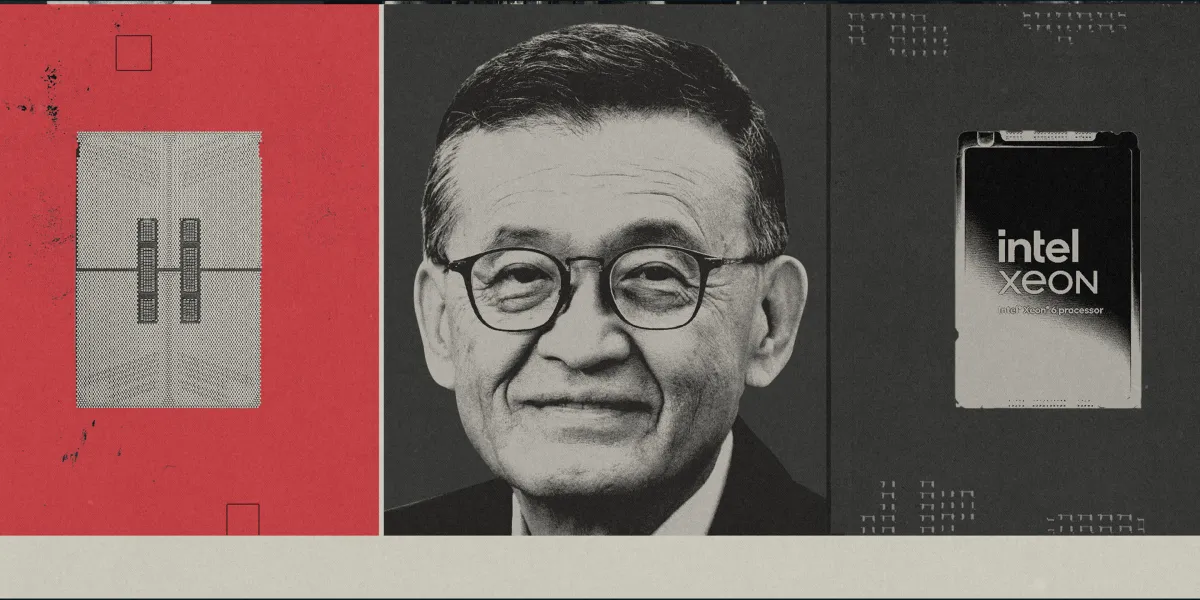
In a new Fortune magazine feature, Geoff Colvin writes that Intel’s operating problems have led it to the brink of extinction, requiring cash infusions from the federal government and tech companies that buy its chips.
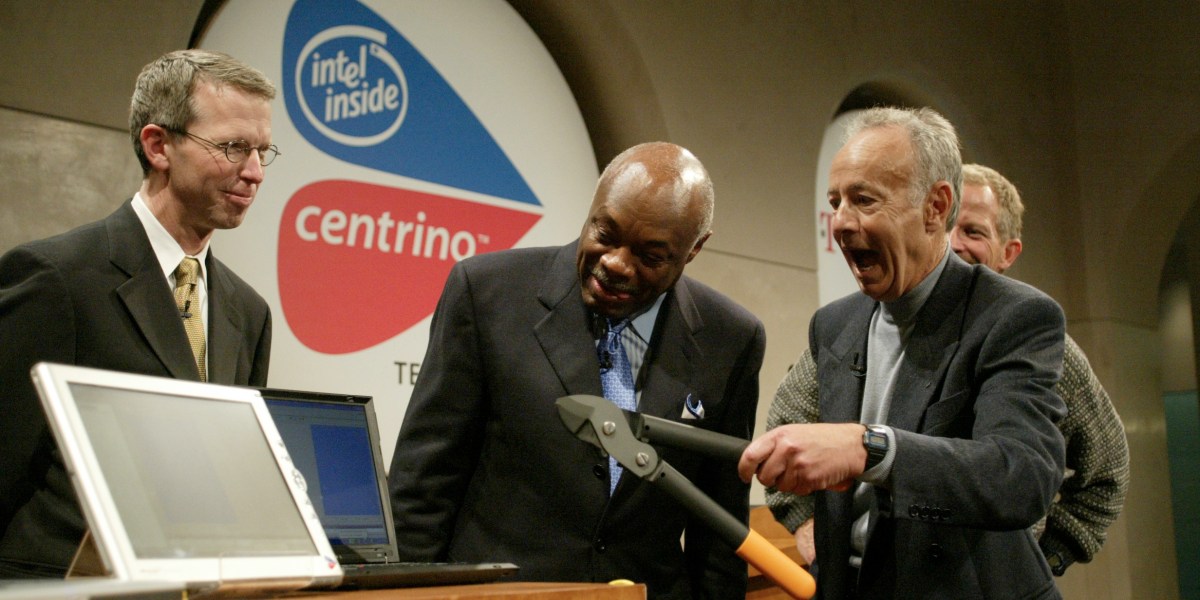
If the engineers at America’s largest and most important semiconductor company could time-travel to a less complicated era, they might choose 1995, when Intel’s catchy sonic logo was still on the airwaves, and Andy Grove was still CEO.
Fortune published a cover story that year about the iconic third CEO of Intel. “Why Andy Grove Can’t Stop,” by Brent Schlender, was accompanied by a series of stop-motion animation-like photos of the late CEO in a white button-down with a dark sweater tossed casually around his shoulders. In every frame, the smiling, diminutive Grove is in a slightly different position: a man in constant motion, and a leader whose famous paranoia may have prevented Intel from losing its edge.
Intel was then the world’s dominant semiconductor company, and 80% of the world’s PCs had “Intel inside,” as its slogan said. Fortune attributed much of this success to the company’s chief executive: “Since Grove became CEO in 1987, Intel’s revenues have grown nearly sixfold, to $11.5 billion last year, and the chipmaker has leaped from tenth place in its industry to a Herculean No. 1,” Schlender explained. But Grove, we learn, remained characteristically worried.