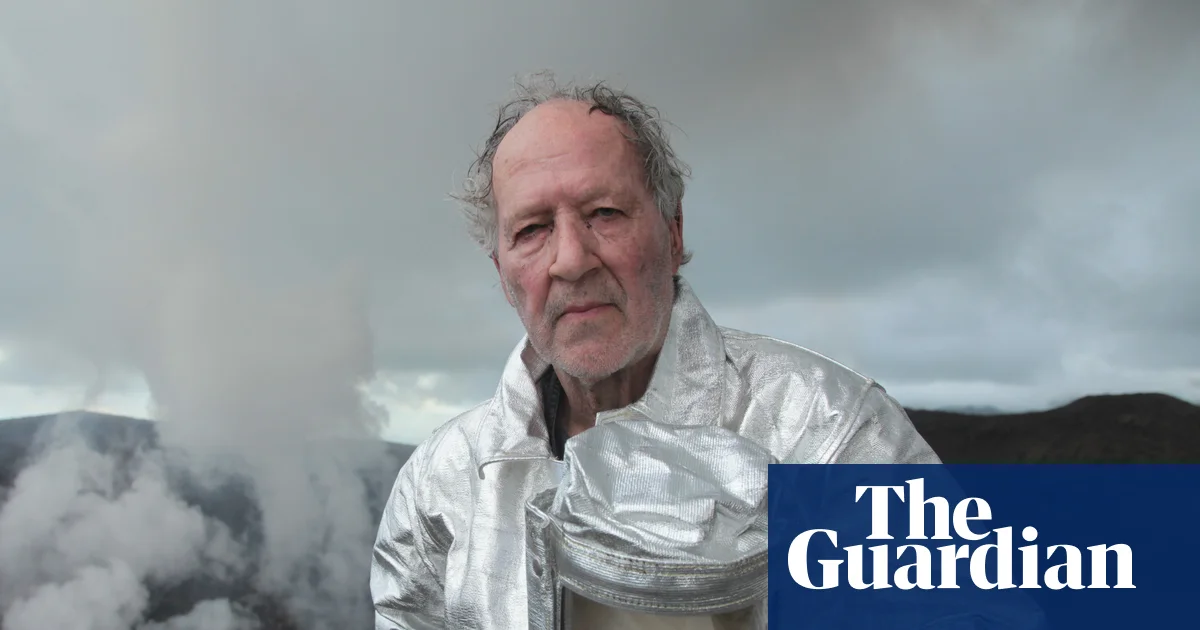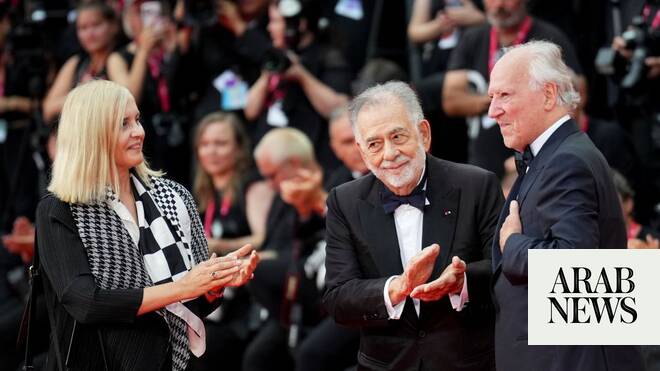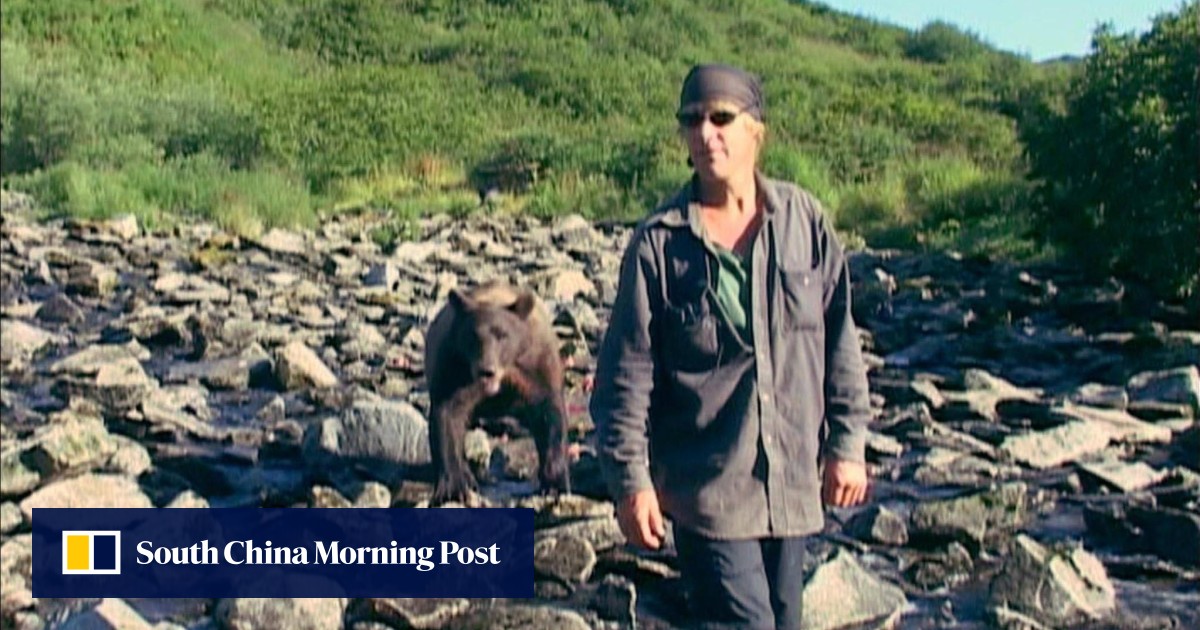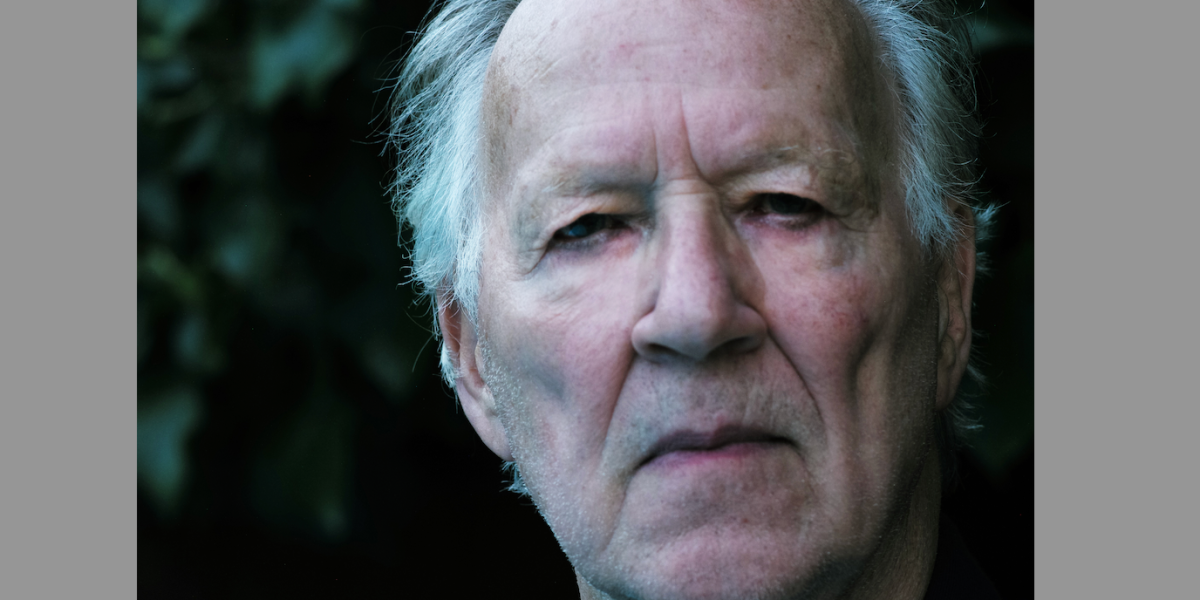
What is “the Future of Truth,” and why has Werner Herzog written a book on it? You ask the legendary director, and you get back a soliloquy. It would be familiar to any fan of the filmmaker, who burst onto the art-house cinema scene in the 1970s as a leading light of the New German Cinema, before much wider exposure in the 2000s as the director of Grizzly Man and a supporting actor in a Star Wars show and even a Jack Reacher movie.
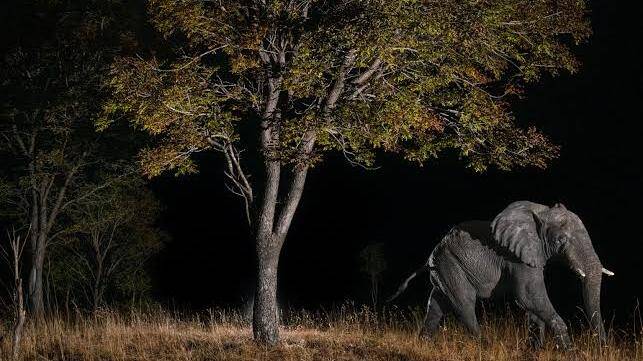
In a wide-ranging conversation with Fortune, the Bavaria-born director refers back often to his history of probing documentaries and feature films on humankind’s unending quest for meaning. “Wrestling with this question” has “engaged my fascination” since very early on, he says: “I think it is something inherent in art or in poetry, or in cinema. What exactly it is, nobody knows.” Herzog is evasive on whether he’s come down anywhere definitive on the question, now that he’s in his eighties. He cites the example of Ghost Elephants, his recent documentary on whether a mysterious giant species of elephant is hiding, somewhere in Africa. “Sometimes to maintain a dream is better than seeing it fulfilled,” he explains.
He cites a survey of 2,000 philosophers seeking to define the concept of truth: “Nobody has a real answer.” Many of Herzog’s films capture that sense of a quixotic, even bizarre quest, an antihero searching for some kind of truth that may be obvious only to himself. At times, the boundaries between art and artist blurred, with Herzog and his creative partner Klaus Kinski taking their dangerous on-screen missions into violent off-screen clashes with each other, as captured in the 1999 documentary, My Best Fiend.