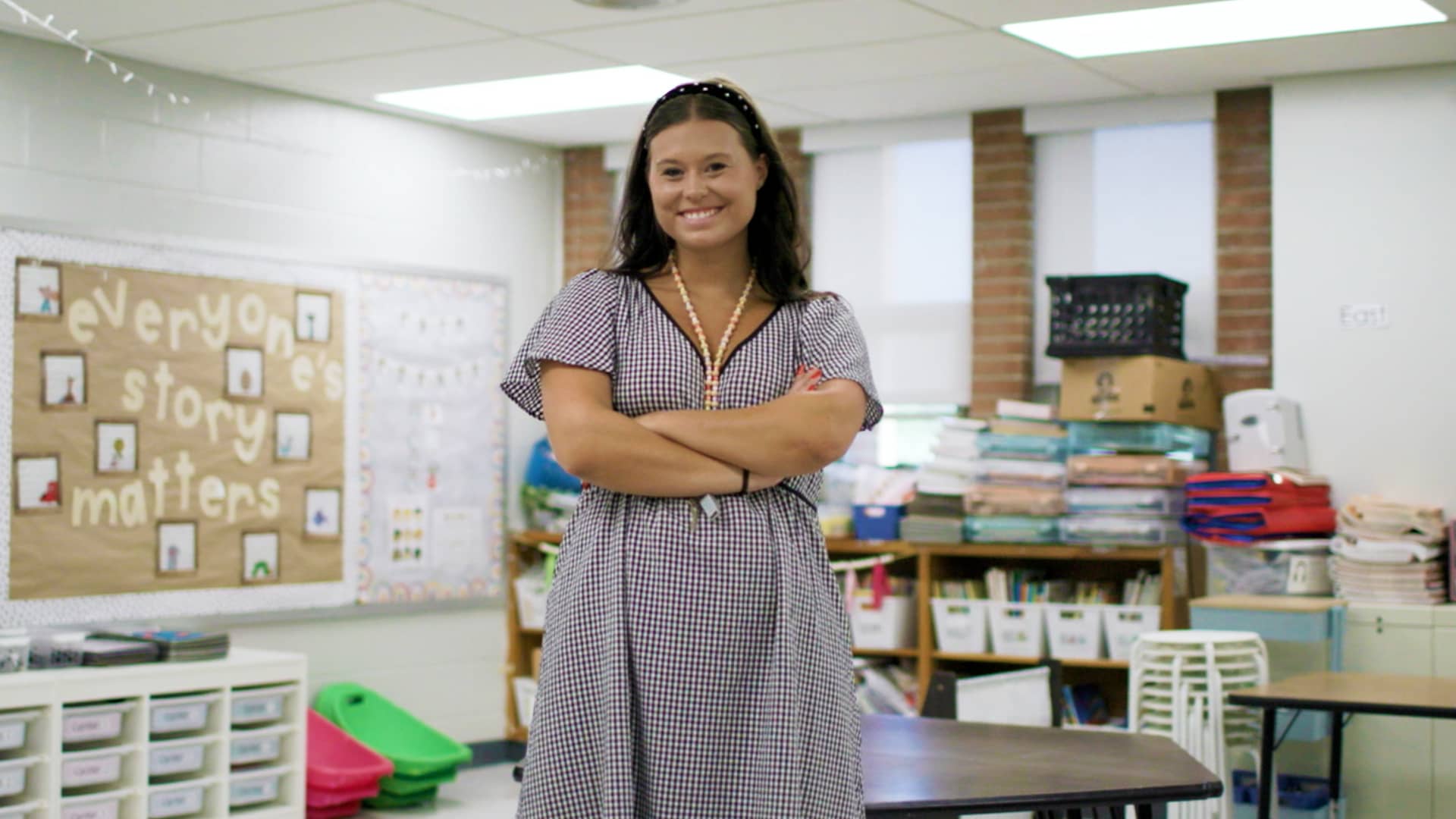
But for Apryl Shackelford, those anxieties have been replaced with opportunity.
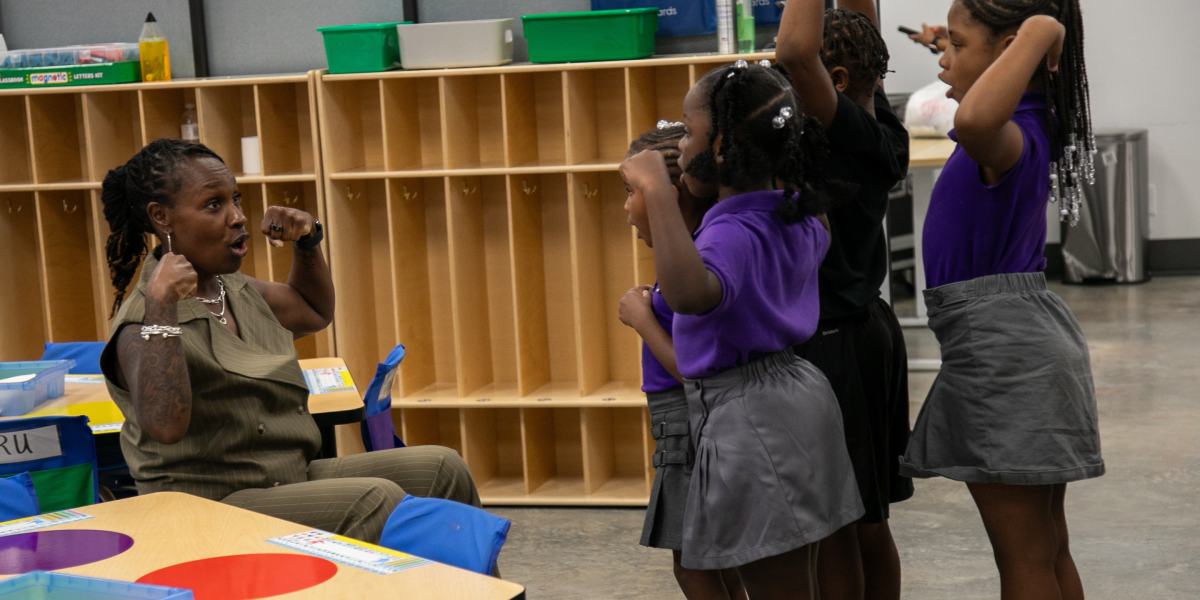
The 55-year-old is beginning her fourth year as the leader of Liberty City Primer, a private microschool in Miami. With just six classrooms and a few dozen students, Shackelford doesn’t have to navigate a politically charged school board or shifting state mandates. Instead, she can pour her energy into what she does best—teaching her first and second graders phonics, reading comprehension, and social skills.
Perhaps just as importantly, the change has given her something teachers in traditional schools often lack: financial security. As an independent school leader, Shackelford now makes $101,000 a year.
That’s a far cry from the $34,000 she brought home in her first year working at a public school in Jacksonville, Florida, in 2003. Even after shifting to the charter school system years later—where her salary rose to $50,000—it still wasn’t enough. Like many educators, she often worried about paying bills and would turn to side work during summer breaks, a discouraging reality considering teachers often act as de facto counselors, social workers, and guardians in addition to their teaching duties.
But with Primer, a venture-backed startup helping teachers establish their own microschools, Shackelford has been able to add the unexpected new title of entrepreneur to that list.