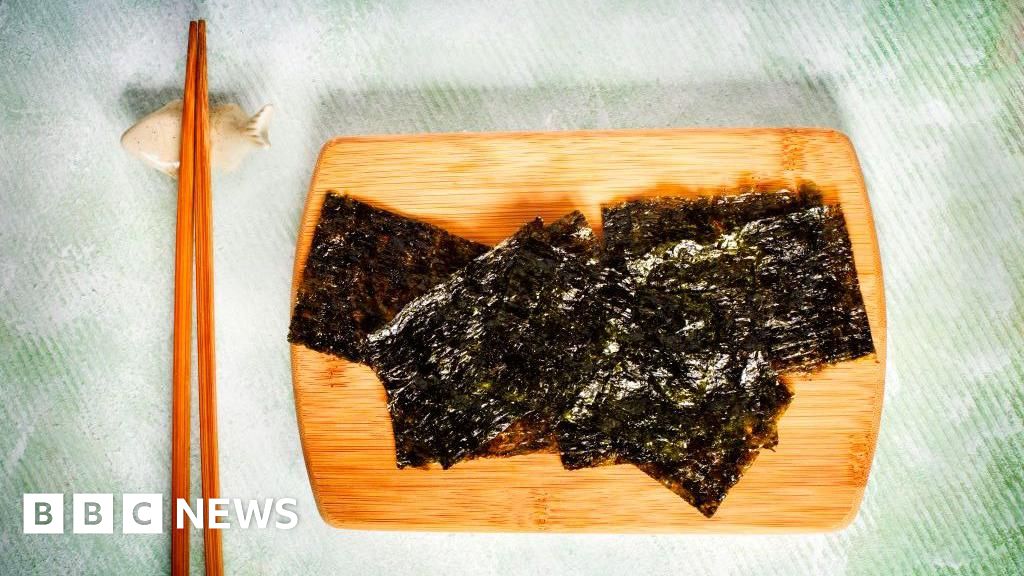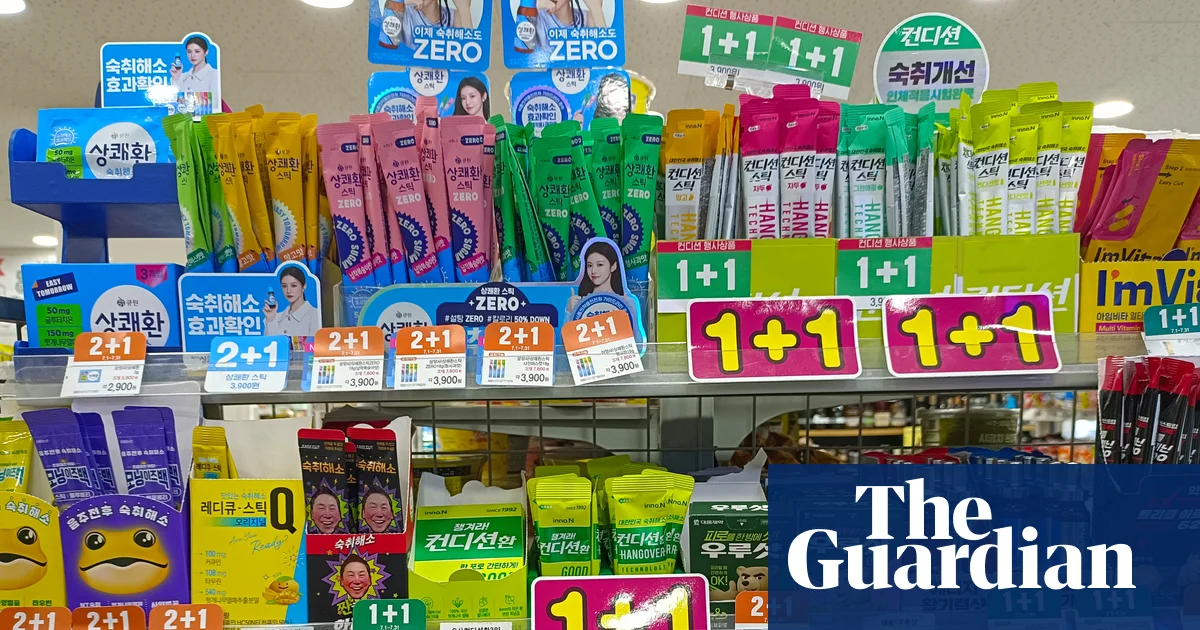
“Eighteen years ago, people didn’t even know the name of this ingredient,” says 58-year-old Gil Sa-hyeon, holding up a cluster of dried brownish stems. “Now it’s everywhere.”His shop, Joseon Yakcho, sits in the heart of Seoul’s Yangnyeongsi Market, South Korea’s largest traditional medicinal herb market, its streets lined with shops displaying buckets of herbs such as liquorice root and cinnamon bark that spill on to the pavements, filling the air with their distinct, earthy aroma.The ingredient Gil is referring to is hovenia dulcis, known in Korean as heotgae – the oriental raisin tree that’s become the cornerstone of South Korea’s booming hangover cure industry.South Koreans take their hangovers very seriously. For many, the morning-after ritual still involves a steaming bowl of haejangguk, or “hangover soup”.Often made with napa cabbage, dried pollack or even congealed oxblood, it’s a comfort food as much as a cure, with specialist restaurants opening early for bleary-eyed regulars.More recently, though, the cure has gone commercial. Walk into any convenience store and you’ll find entire sections dedicated to hangover remedies, from traditional drinks to trendy jelly sticks and tablets designed to ward off the suffering.Haejangguk – or Hangover soup - eaten as a hangover cure in Korean cuisine. Photograph: Woohyeok Choi/AlamyMost contain extracts of hovenia dulcis, though some use other ingredients said to help, including red ginseng, milk thistle or even seaweed.The country’s hangover cure market reached approximately 350bn won (£190m) in 2024, according to NielsenIQ Korea, up 10% from the year before.Despite the market’s growth, South Koreans are actually drinking less, with per-capita alcohol consumption falling steadily since 2015 and post-pandemic shipments of beer and spirits still below 2019 levels.Analysts link the shift to a combination of factors, from companies cutting back on mandatory after-work boozy sessions to a health-conscious younger generation favouring moderation over binge drinking.Prof Joo Young-ha, a cultural anthropologist at the Academy of Korean Studies who specialises in food culture, says the appeal of hangover products for younger drinkers is as much social as practical.“They often buy multiple products in advance to share as gifts during drinking sessions, turning hangover prevention into part of the evening’s etiquette,” he says.Taeyoung Hwang, an analyst at market research firm Mintel, says that while hangover recovery products remain niche markets globally, South Korea and Japan represent exceptions.
K-cure: South Korea’s booming market for traditional (and novel) hangover remedies
Hovenia dulcis - known in Korean as heotgae – has become the cornerstone of South Korea’s booming hangover cure industry
883 words~4 min read