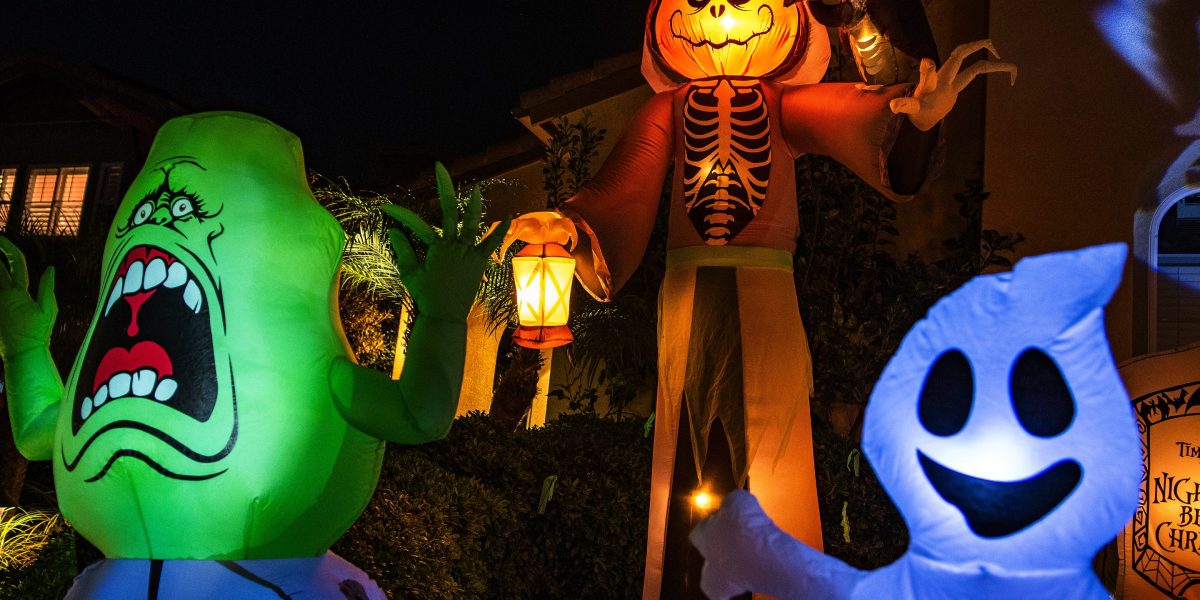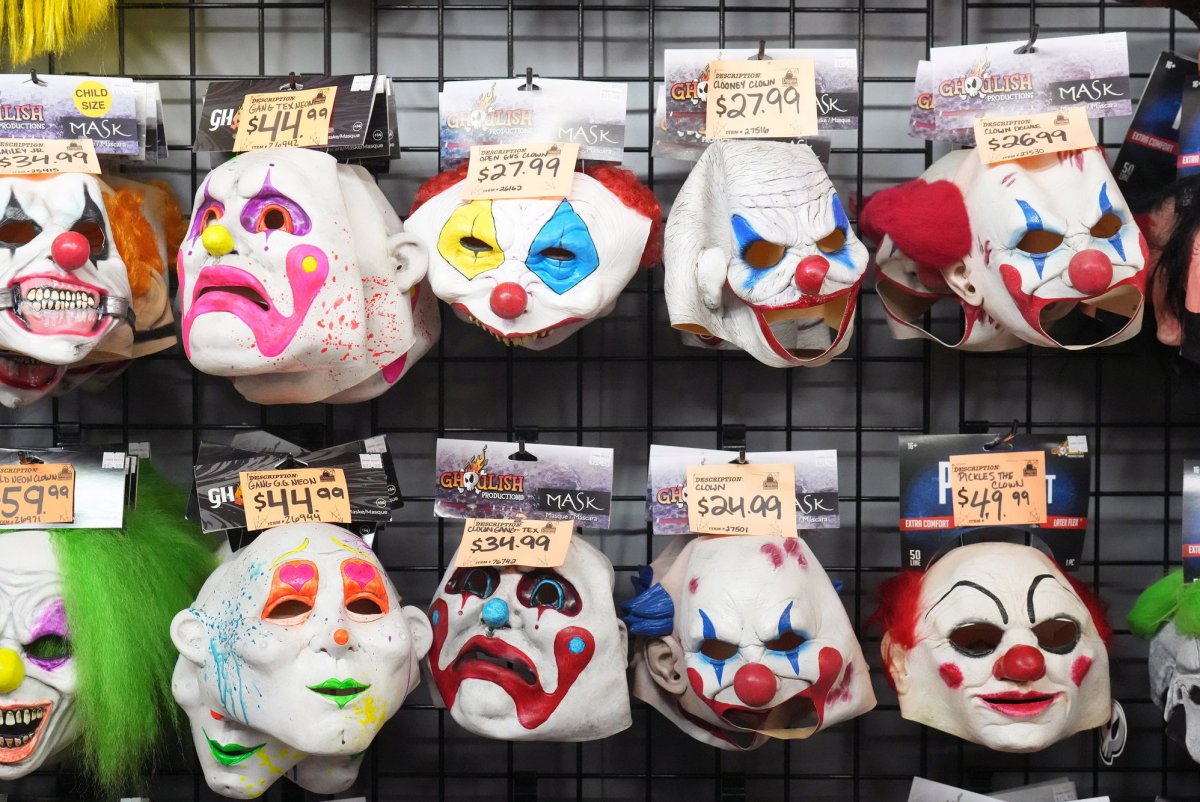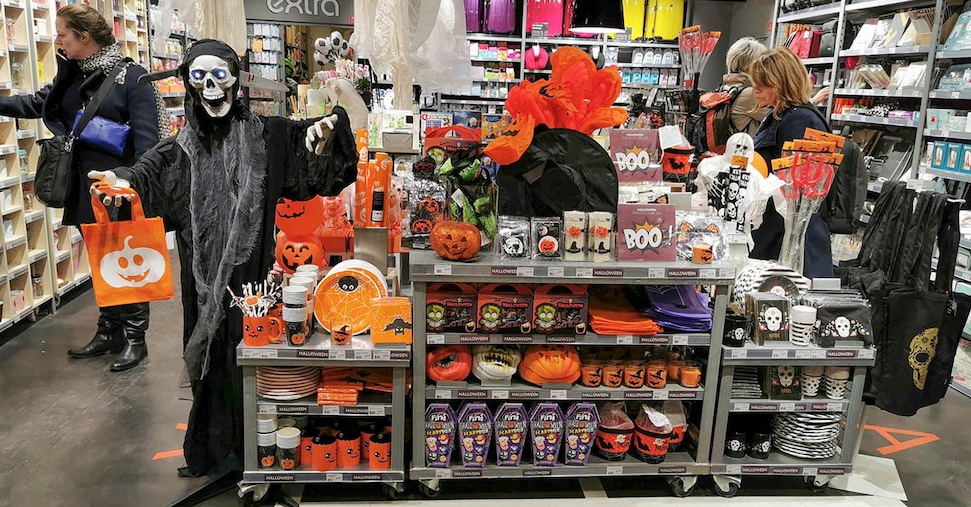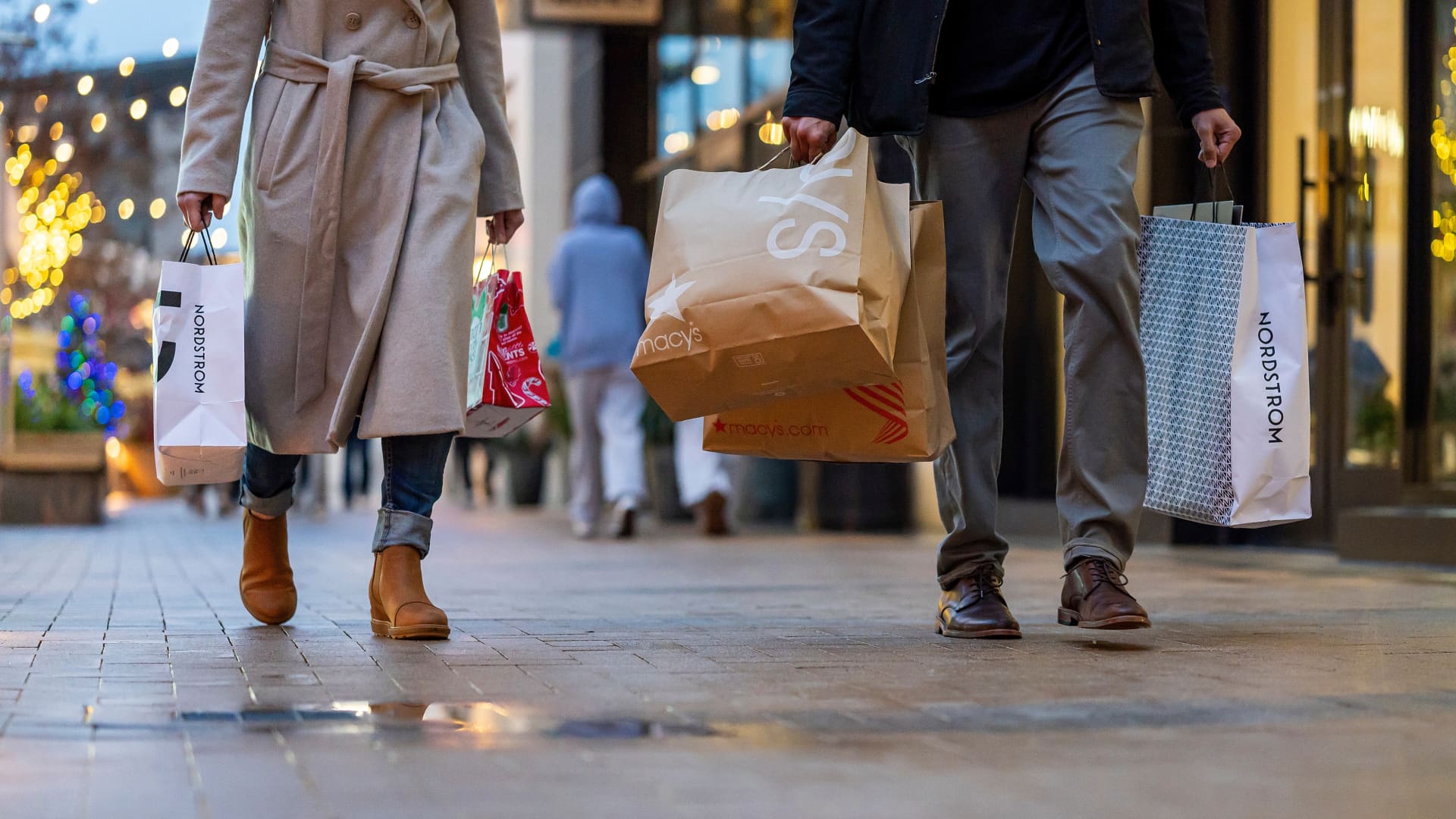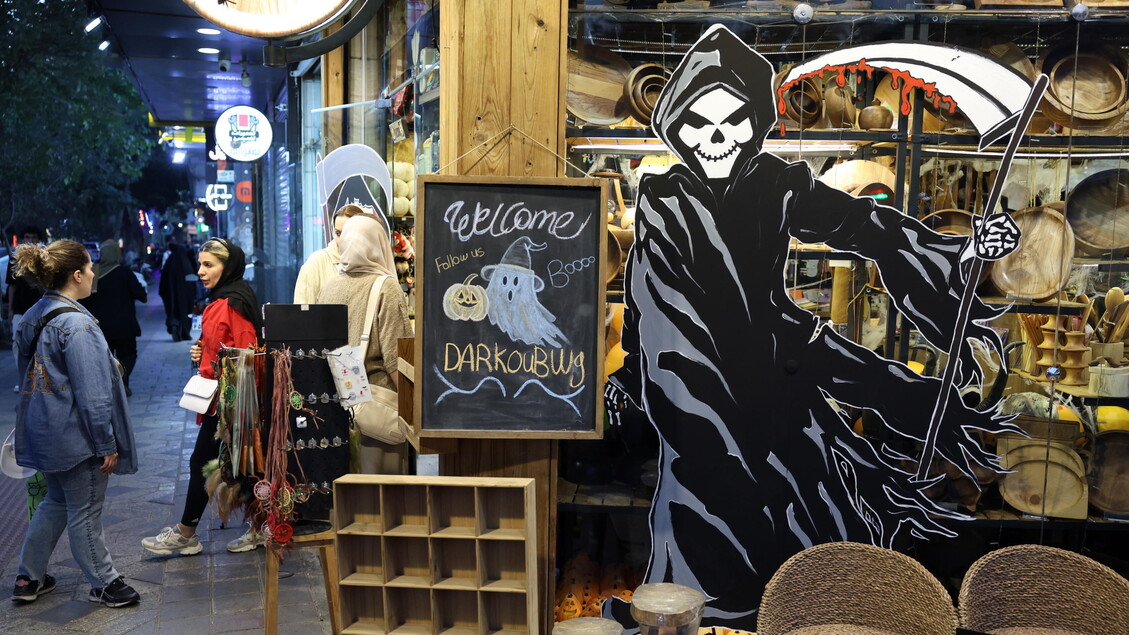
You may have been spooked by the early arrival of Halloween merchandise in retail outlets, some of it around the Fourth of July. But why did skeletons, witches and ghosts start popping up as fireworks faded away?Those scary items will drive Halloween spending to $13.1 billion this year, a record high, says the National Retail Federation. The previous record was $12.2 billion in 2023.There are multiple reasons, including "Summerween," an early celebration of Halloween in summer that has grown in popularity and benefited retailers. Economic factors such as tariffs, purchase decisions and storage costs also influence the season and spending.Even your own anxiety may play a part. You might be experiencing the phenomenon of mortality salience, the heightened awareness of one’s own inevitable death.When that happens, “research shows people engage in compensatory behavior,” says Daniele Mathras, associate dean of undergraduate education and associate teaching professor of marketing at Northeastern University’s D'Amore-McKim School of Business. “They might engage in escapism, distraction, or reinforcing cultural norms and ideals through consumption.”Can't see our graphics? Click here to reload the page.Trump tariffs stalled Halloween ordersAbout 90% of festive products – merchandise associated with holidays or other seasonal occasions – are imported from China, according to the South China Morning Post. That includes Halloween and Christmas items.Tariffs are one of the reasons you saw Halloween merchandise emerge in the summer, according to Marketing 411, an industry analyst. Tariffs are a type of tax applied to imports into the United States. Importers pay the tax, and economists say some of the costs are passed on to consumers."When tariffs were originally imposed at a 145% rate, it led to canceled and stalled orders with a significant drop in volume for all Halloween suppliers," Tara Cortner, president and CEO of Disguise, told USA TODAY. Disguise produces licensed and original Halloween costumes.President Donald Trump announced tariffs on products made in China and other countries in March. Though rates have fluctuated, China's now stand at 30%."When the pause in tariffs began at the 30% rate on China, orders resumed," Cortner said.That resulted in "less product in the market this year," she says. Production time was lost, and retailers reduced quantities in anticipation of higher retail prices, which they presume will reduce consumer demand. Some retailers began offering Halloween items as early as June, “as a hedge against trade risk” and a marketing strategy, Marketing 411 says.Yes, 'Summerween' is a thingSummerween is helping retailers maximize seasonal sales, USA TODAY reported last year. Businesses are finding that people enjoy planning Halloween displays well ahead of the holiday.Halloween itself marks a seasonal change and the specter of death. European migrants brought festivals such as Samhain and other observances of mortality to North America.The holiday signals the summer-to-fall transition. “The days get shorter, the trees shed their leaves, and things are starting to die,” Mathras says. “Halloween is like an amplification of mortality. During this season, we humans are reminded of the inevitability of death."That awareness creates an underlying existential terror we try to deal with, according to terror management theory.“We try to manage this anxiety in a couple of different ways,” Mathras says. Buying things is one of them.“There's a lot of research that shows people will purchase items that directly address the threat,” she says. “We use consumption to make ourselves feel better.”Halloween gets more popular every year, Cortner says. "I think social media is a big reason for this. Fans can engage with one another, and these platforms allow them to share pictures of decorations and costumes."Halloween is fun and entertaining. It's something everyone can agree on and enjoy."NOTE: The National Retail Federation and Prosper Insights & Analytics poll of 8,045 consumers about their Halloween shopping plans was done Sept. 2-9. Margin of error is +/- 1.1 percentage points.CONTRIBUTING: Charisse Jones and Mary Walrath-HoldridgeSOURCE: USA TODAY Network reporting and research; Reuters; National Retail Federation; Council on Foreign Relations; National Library of Medicine
Why you started seeing ghosts, skeletons and Halloween stuff in stores way back in July
Halloween spending will exceed $13 billion this year, a new record. Chalk it up to an extended holiday season and maybe your anxiety over death.
654 words~3 min read