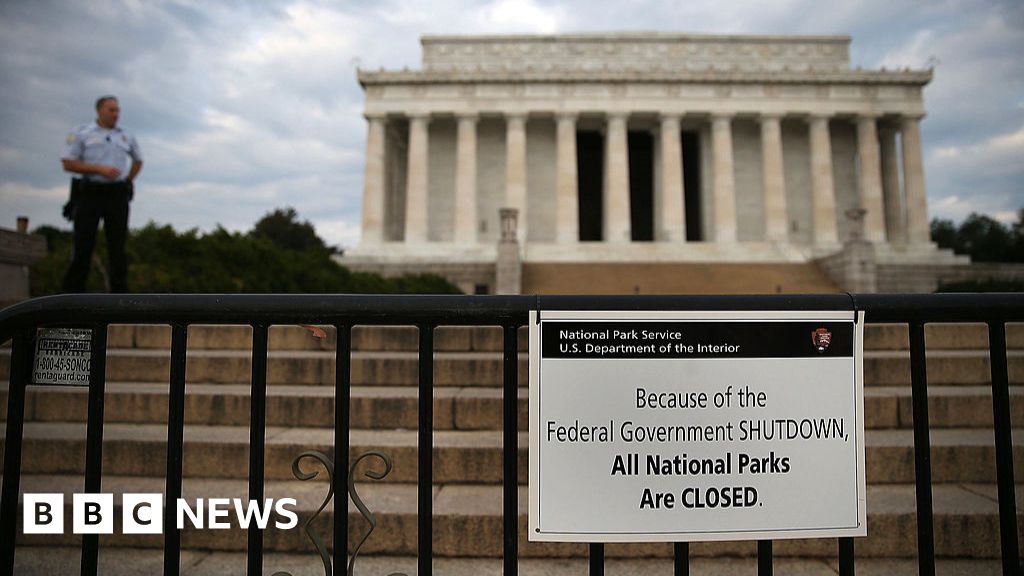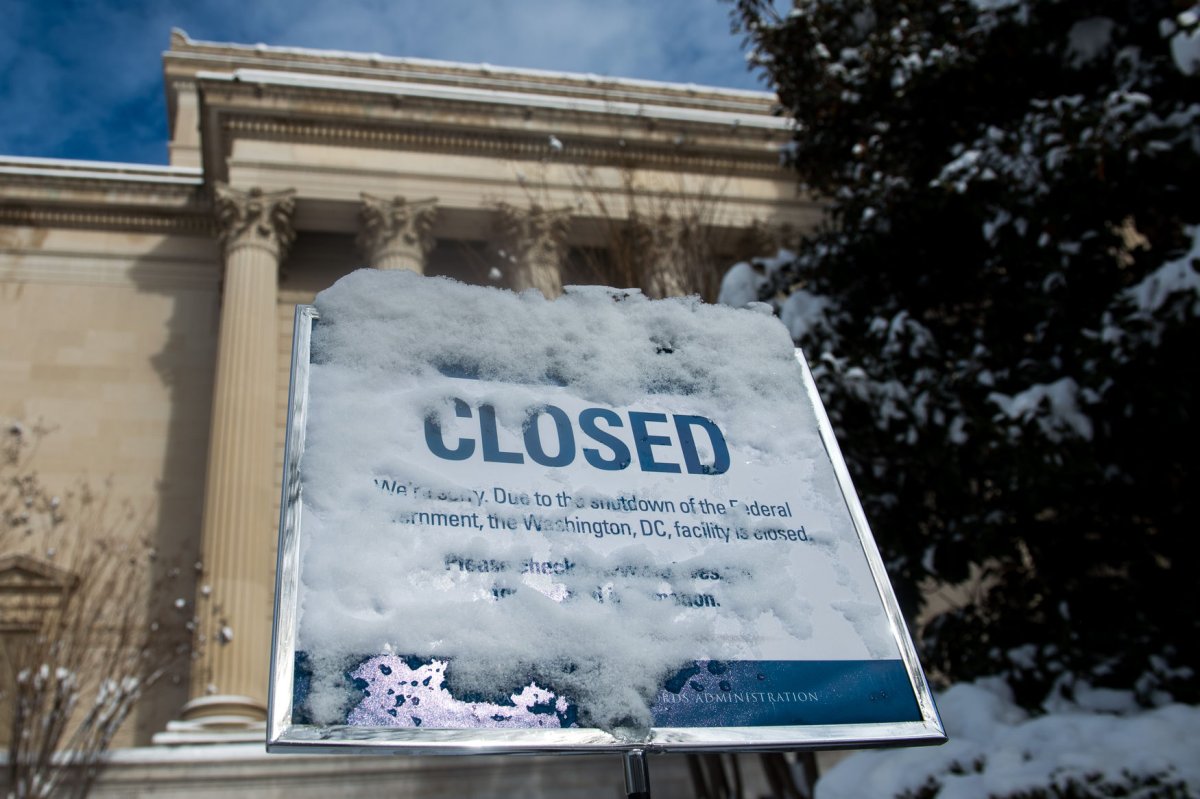
A snow covered closed sign is seen at the National Archives as the partial federal government shutdown enters its 24th day, in Washington on January 14, 2019. Congress and the White House could not reach a deal on a spending bill during Donald Trump's first term in office. File Photo by Kevin Dietsch/UPI | License Photo
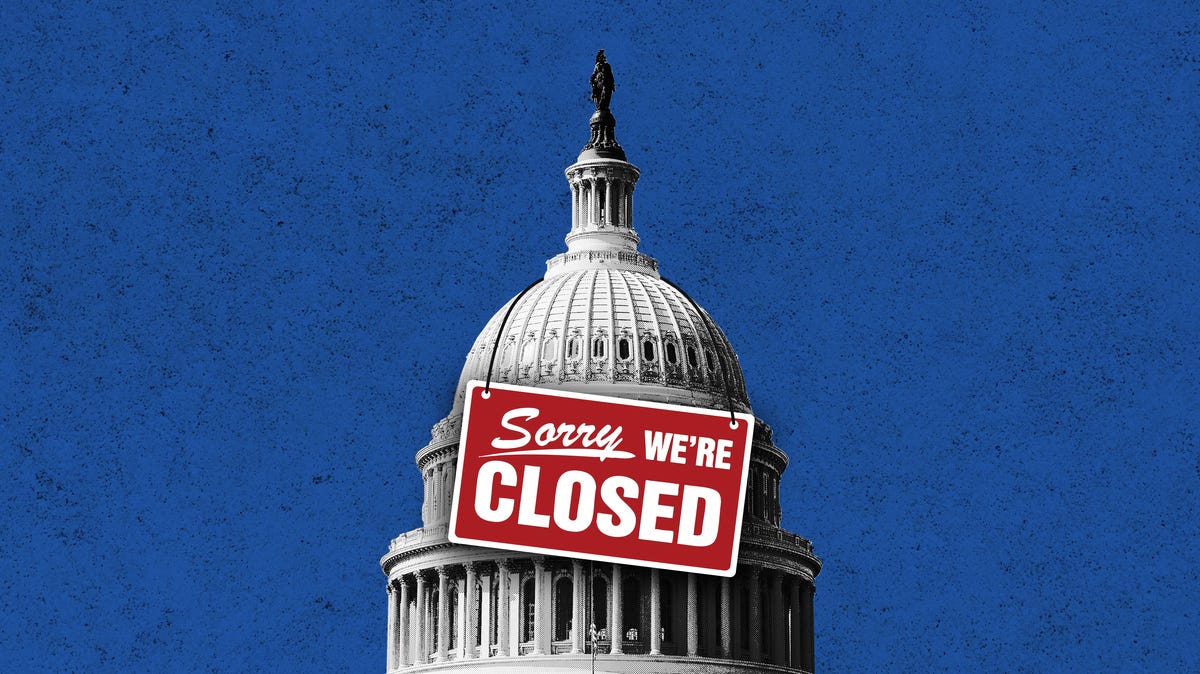
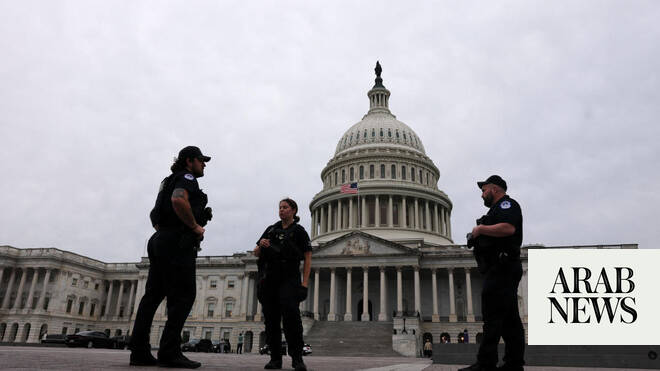
Sept. 26 (UPI) -- As the federal fiscal year draws to a close, an increasingly familiar prospect is drawing near in Washington: a possible government shutdown. And for federal workers, it couldn't come at a worse time.
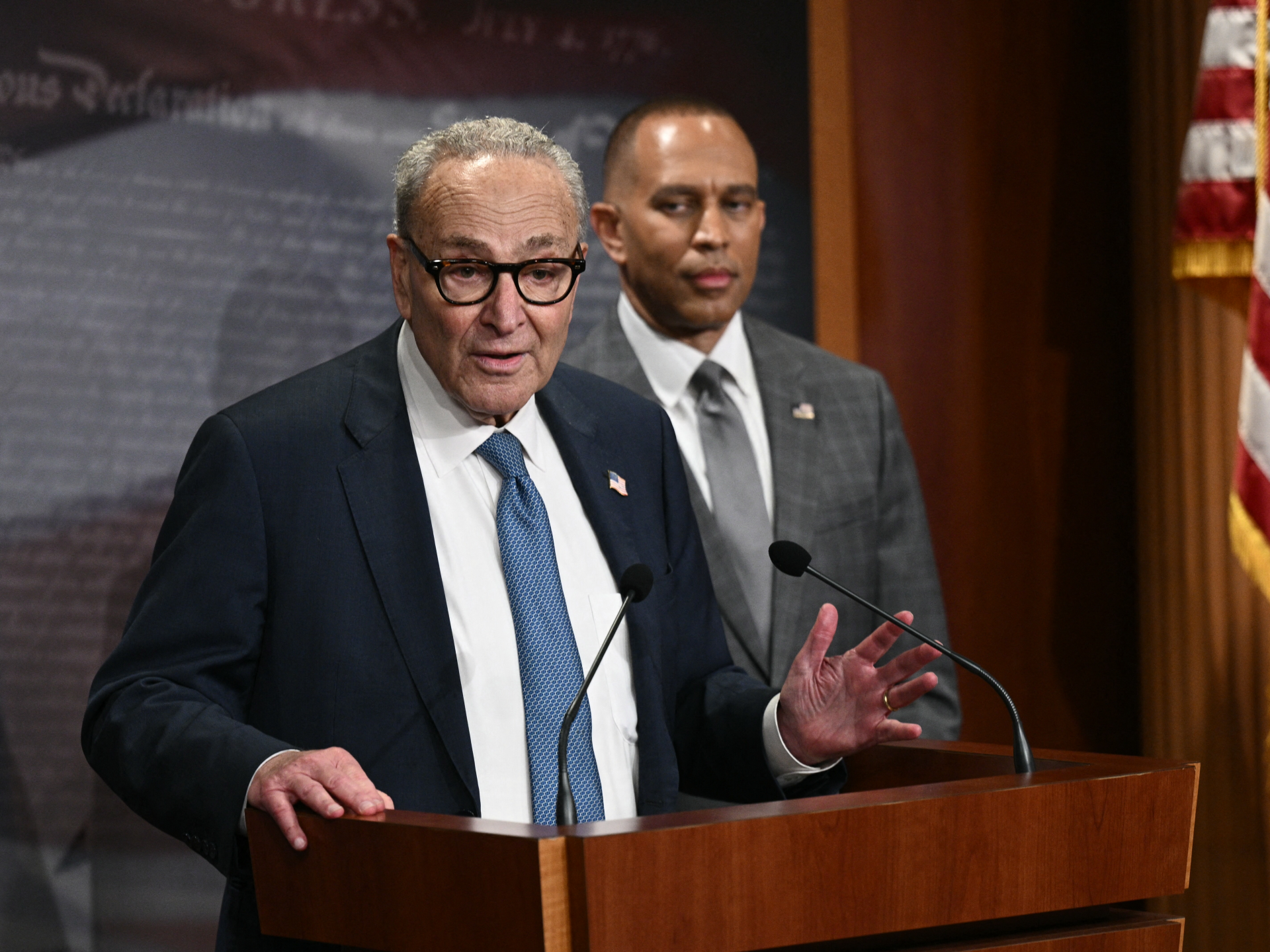
In the fractious and polarized political landscape of the United States, Democrats and Republicans have come to rely on short-term, stopgap funding bills to keep the government operating in the absence of elusive longer-term budget deals.
With the parties currently wide apart over the terms of even a short-term budget resolution, the government is set to shut down on Wednesday, barring an 11th-hour deal that appears far off.
If the shutdown does happen, it would mark another difficult moment this year for a federal workforce that has so far shed more than 300,000 jobs. This is largely due to ongoing Trump administration efforts to downsize parts of the federal government and restructure or largely eliminate certain government agencies with the stated aim of increasing efficiency.