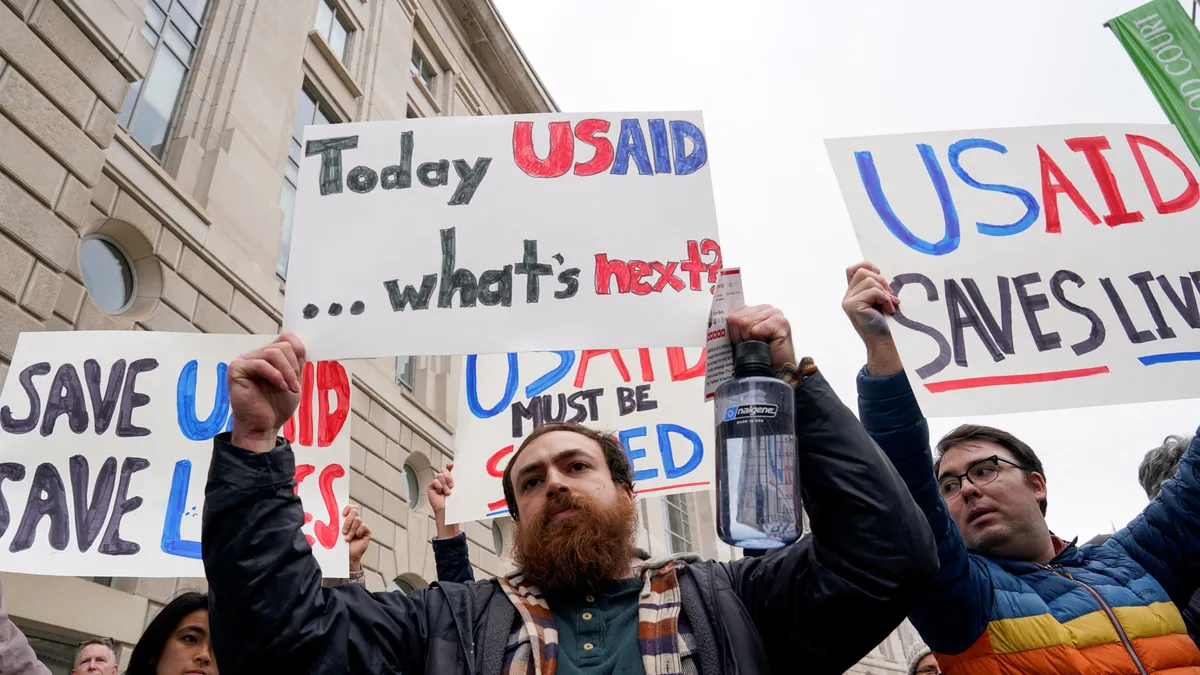
Show Caption
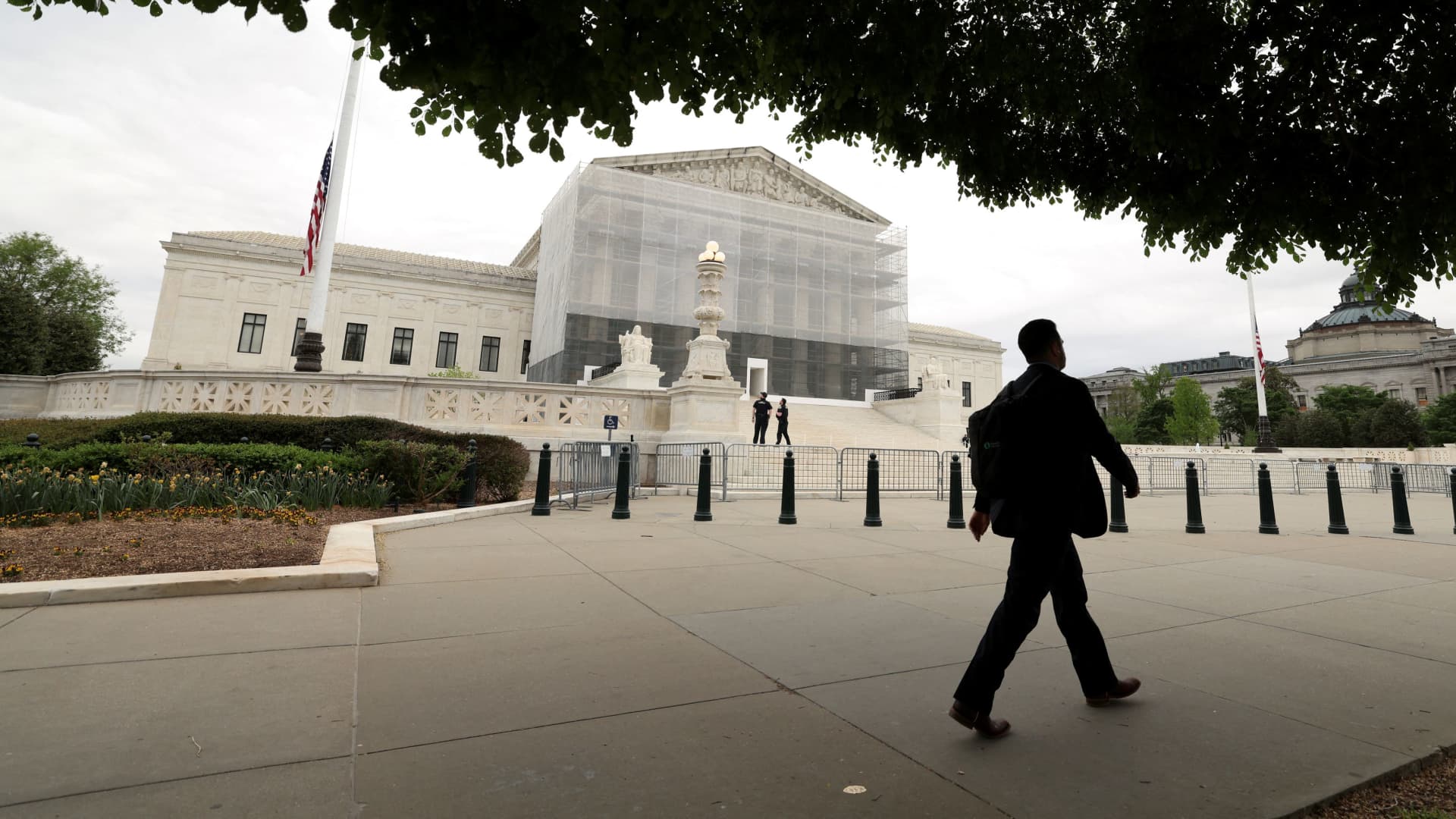
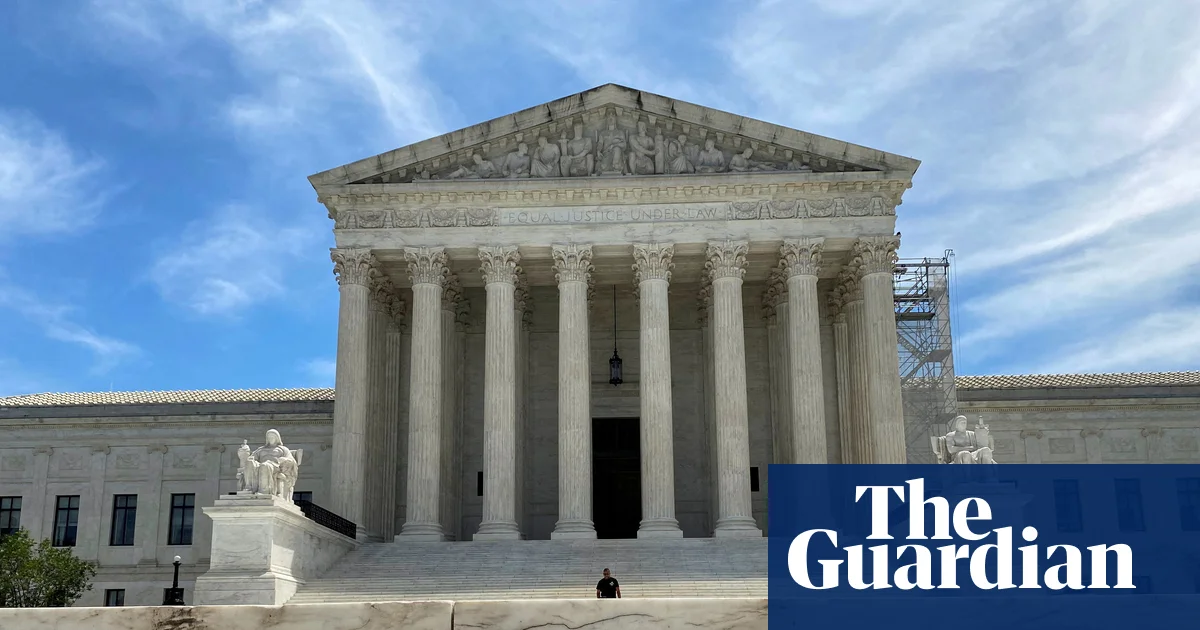
WASHINGTON − The Supreme Court on Sept. 26 said President Donald Trump, for now, doesn’t have to spend billions in foreign aid approved by Congress, allowing the president to exert greater control over the government even in areas like spending that the Constitution reserved for lawmakers.Over the objections of the court's three liberals, the conservative majority blocked a federal judge’s ruling that the administration commit to spending $4 billion in foreign assistance before the funds expire on Sept. 30.Chief Justice John Roberts had previously paused the ruling temporarily to give the court more time to consider Trump’s request.The new order said the justices were not making a final determination, but the administration had made sufficient showing at this stage that the challenge brought by foreign assistance groups to Trump's spending freeze was improper.The majority also said the president’s ability to control foreign policy would be harmed more by making him spend the money now than the assistance groups would be harmed by not getting the funding.But in her dissent, Justice Elena Kagan said the effect of the order “is to prevent the funds from reaching their intended recipients – not just now but (because of their impending expiration) for all time.”“Because that result conflicts with the separation of powers, I respectfully dissent,” Kagan wrote in an opinion joined by Justices Sonia Sotomayor and Ketanji Brown Jackson.The administration argued it doesn't have to do anything because it’s waiting for Congress to respond to Trump’s request that the funding be cancelled. But if lawmakers don’t act by Sept. 30, the funding automatically expires – the situation U.S. District Judge Amir Ali was trying to prevent.The foreign assistance groups suing the administration said Trump created a false emergency by waiting to disburse funds he’s known since at least March he must spend.After taking office in January, Trump paused all foreign aid and said any assistance that didn’t align with his priorities would be terminated.In March, Ali ruled that the administration’s funding freeze likely violated both the Constitution and federal law.More recently, Ali wrote in September that while the State Department has significant discretion for how to spend the money, there’s no discretion in whether it must be spent.The administration tried to run out the clock through a procedural tactic known as a “pocket rescission.”Under the normal rescission process, Congress has 45 days to respond to a president’s request that previously approved funding be canceled.With a pocket rescission, the fiscal year ends before the 45 days are up.The Government Accountability Office, a non-partisan watchdog agency, has said pocket rescissions are illegal because they bypass Congress’ power of the purse under the Constitution.“A pocket rescission could allow a president to avoid spending the money regardless of whether Congress approves the rescission request,” the office said in August. And Sen. Susan Collins, the top Republican on the Senate Appropriations Committee, likewise said the administration’s request was an “apparent attempt to rescind appropriated funds without congressional approval.”The Justice Department told the Supreme Court that it gave Congress “ample time” to respond to its request.