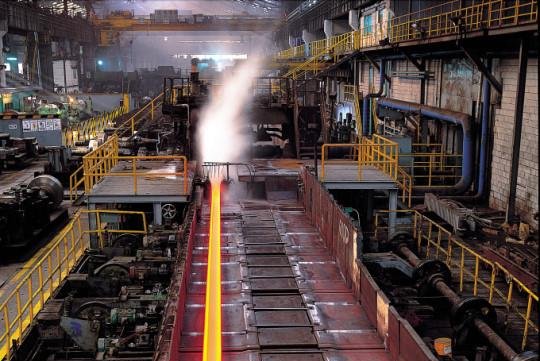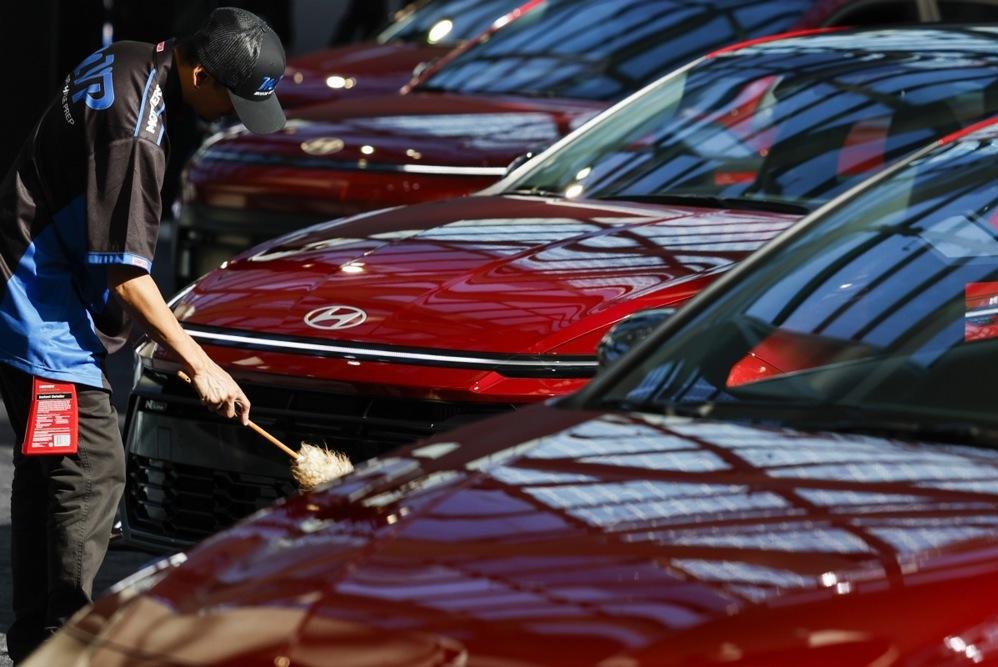
Even if U.S. tariffs decrease to 15%, some industries still are likely to suffer, particularly automobiles. Korea is home to Hyundai Motor and its sister company Kia -- two of the world’s largest carmakers. File Photo by Caroline Brehman/EPA
SEOUL, Sept. 26 (UPI) -- The International Monetary Fund said this week that South Korea's economy would rebound next year after a sluggish 2025. But concerns linger over the impact of steep U.S. tariffs on Asia's fourth-largest economy.
According to the IMF, the country's economic growth is projected to be 0.9% for 2025, less than half of the 2.1% average recorded over the past three years, before recovering to 1.8% in 2026.
"Prolonged domestic political and global trade policy uncertainties have weighed on growth in 2025," the IMF said in a statement. "Revitalizing domestic demand and diversifying Korea's export structure will be essential for more resilient growth."
Seoul recently suffered political turmoil when former President Yoon Suk-yeol was impeached in April after declaring martial law late last year. President Lee Jae Myung was then elected and took office in June.