Violet Affleck, the eldest daughter of A-listers Jennifer Garner and Ben Affleck, is sounding the alarm on the lingering effects of the COVID-19 pandemic.In a speech before members of the United Nations, which is gathering this week in New York City, the 19-year-old accused leaders of "ignoring, downplaying and concealing" the threat of long-COVID, the medical term for a coronavirus infection that causes lingering effects, some that can be chronic or debilitating."We are told by leaders across the board that we are the future," said Affleck, currently a freshman at Yale. "But when it comes to the ongoing pandemic, our present is being stolen right in front of our eyes.""For adults, the relentless beat of back to normal – ignoring, downplaying and concealing both the prevalence of airborne transmission and the threat of long COVID – manifested in a series of choices," she continued, speaking at a special event Sept. 23, entitled "Healthy Indoor Air: A Global Call to Action.""Young people lacked both real choice in the matter and information about what was being chosen for us," she added.This is not Affleck's first time speaking out on the issue.In an essay for the Yale Global Health Review, published in May, she chronicled the aftermath of the Los Angeles fires, which left her mom, Garner, and her younger brother displaced, comparing the response to the disaster to that of the pandemic."Our bewildered response to crises like the LA fires tell us we may still be accustomed to addressing the climate crisis like the COVID-19 pandemic: as a question of how fast we can get back around to pretending like the problem is gone," Affleck wrote.She went on to assert that our society would likely respond only once the effects of either crisis had a meaningful impact on our ability to work."Long COVID isn't a problem until we can find no other explanation for why millions of people are unable to work, school performance and children's health decline in unison, and no one can remember what it feels like not to be sick all of the time," she wrote. "The climate crisis requires no changes to our consumption patterns until our major cities burn, at which point the solution is to consume more. Our retroactive responses to these interlocking crises are both more resource-intensive and less effective than a paced approach."
Jennifer Garner and Ben Affleck's daughter Violet Affleck addresses the UN
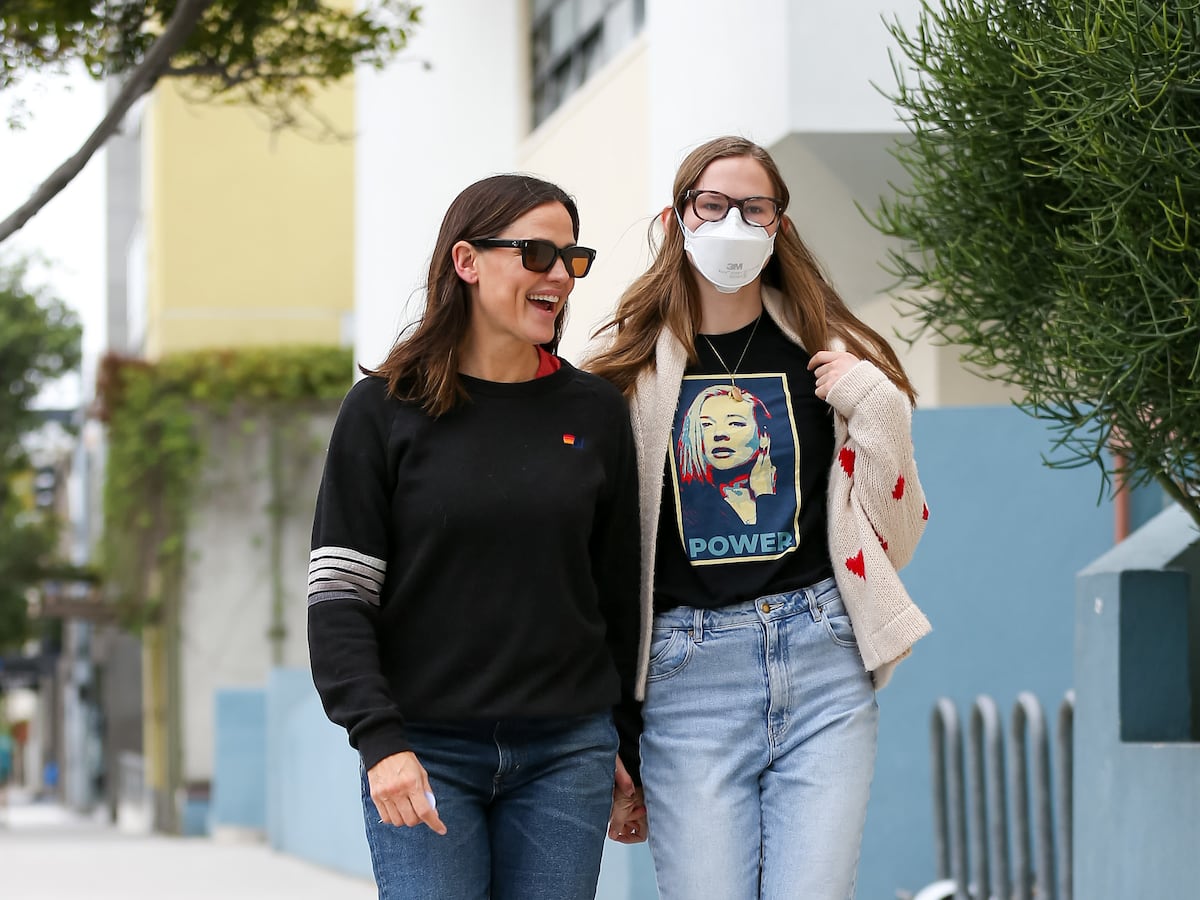
Violet Affleck, the eldest daughter of A-listers Jennifer Garner and Ben Affleck, is sounding the alarm on the lingering effects of the pandemic.
392 words~2 min read