Can Hezbollah still dictate outcomes in Syria, or have battlefield losses curtailed its once formidable influence?
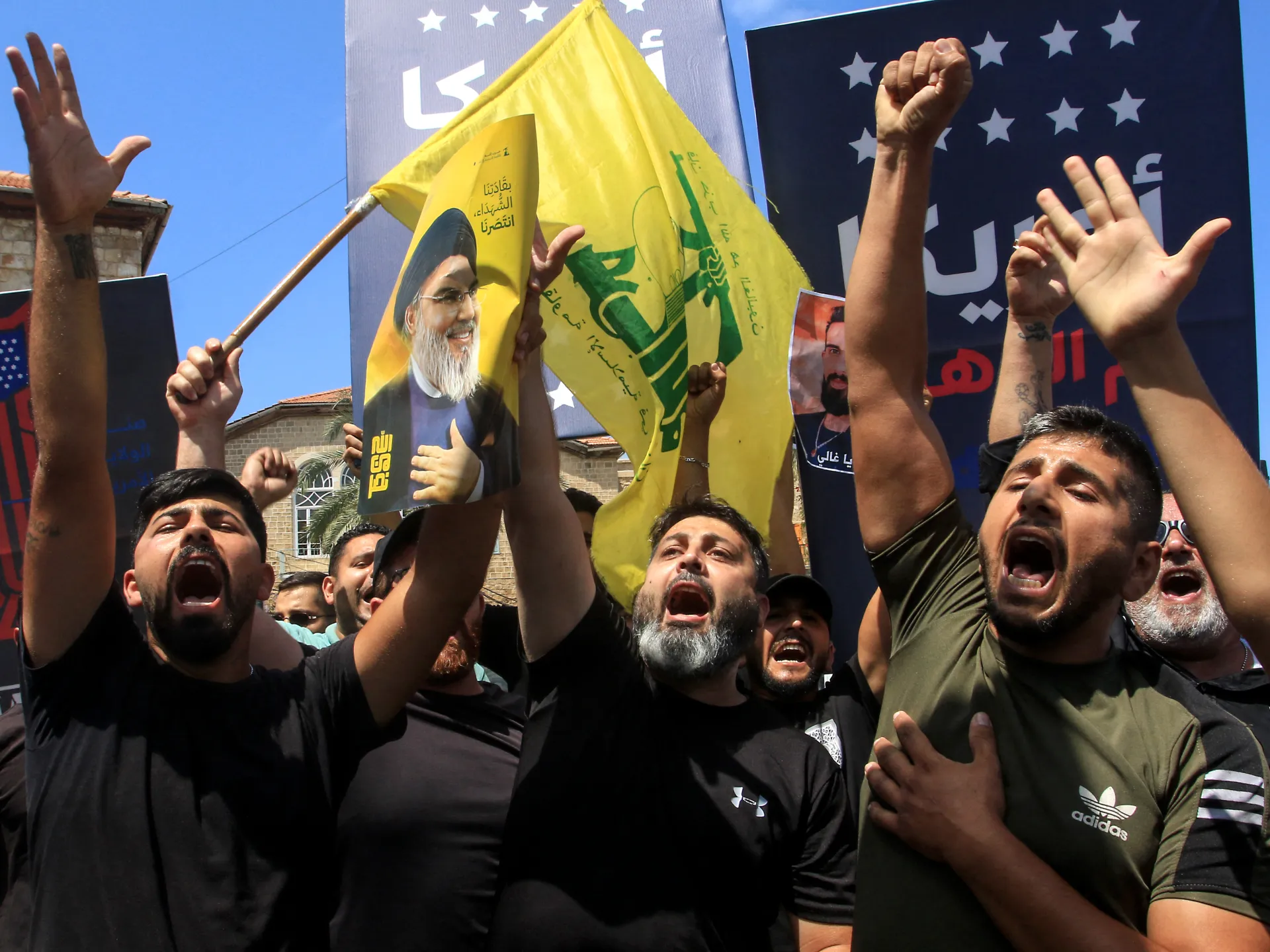
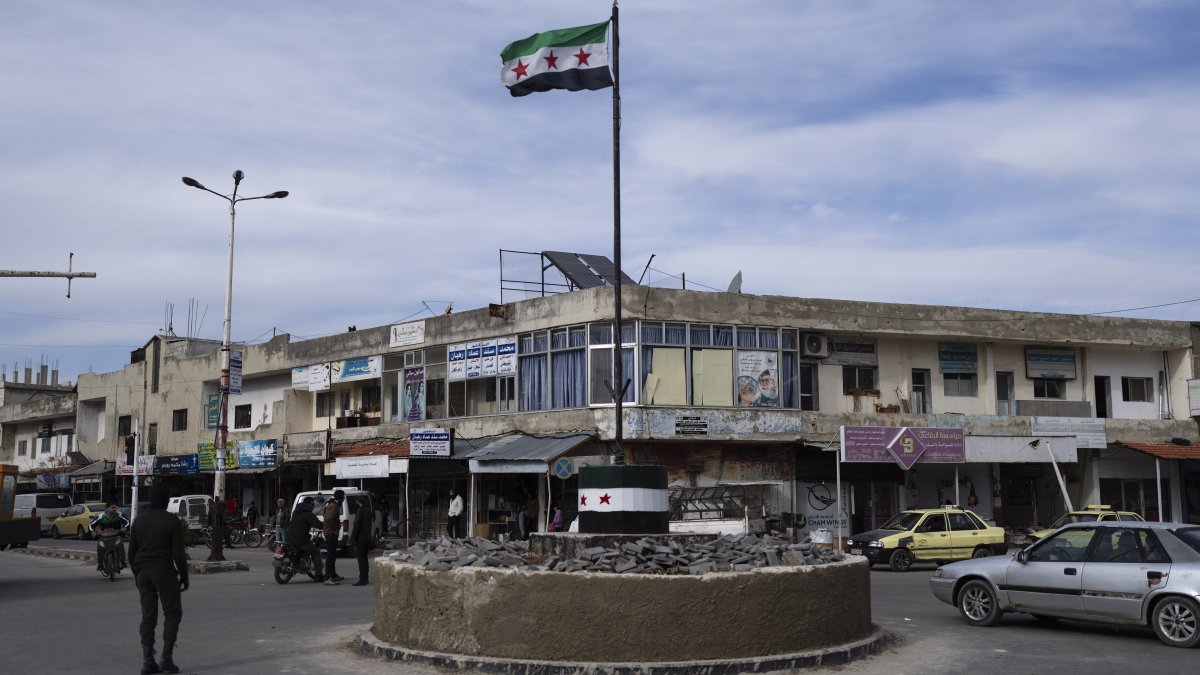
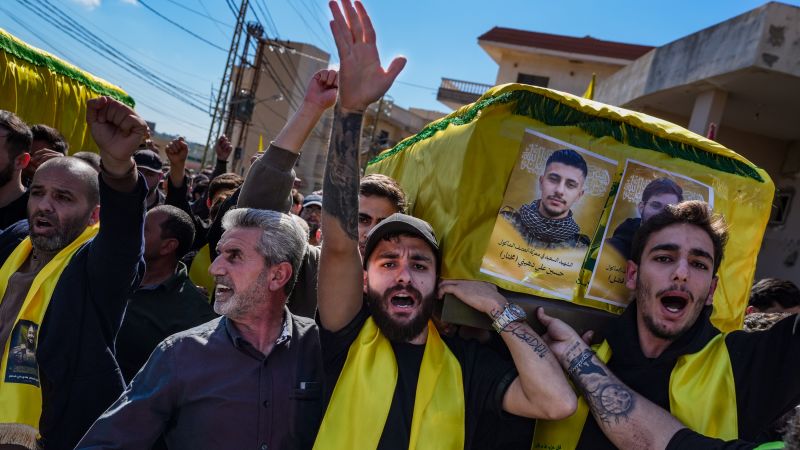
LONDON: Syria’s interim authorities announced earlier this month that they had dismantled a cell linked to Lebanon’s Hezbollah. The Iran-backed group, which fought alongside the ousted Bashar Assad regime during the civil war and more recently clashed with Israel, denies any presence in Syria.
If the allegations are true, the Sept. 11 arrests raise a pressing question: Why would Hezbollah, still nursing wounds from its mauling by Israel in 2024, seek to maintain a foothold in Syria now that its old regime allies have been removed from power?
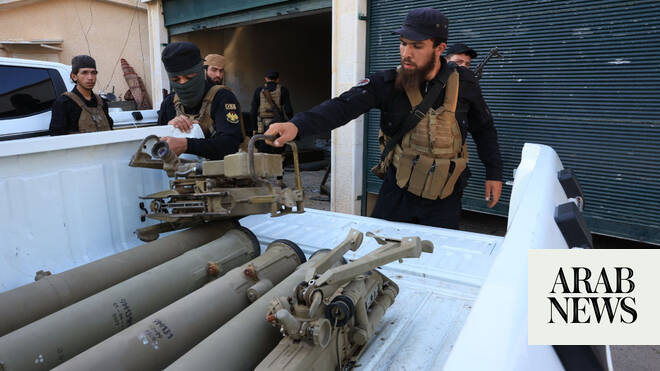
Syria’s Interior Ministry said in a statement that specialized units, working with the general intelligence service, had arrested “a terrorist cell belonging to the Hezbollah militia” in the Damascus countryside.
The ministry shared photos on X, saying security forces seized “rocket launchers, anti-tank missiles, 19 Grad rockets, as well as small arms and large quantities of ammunition” during raids in the towns of Saasaa and Kanaker in western rural Damascus.