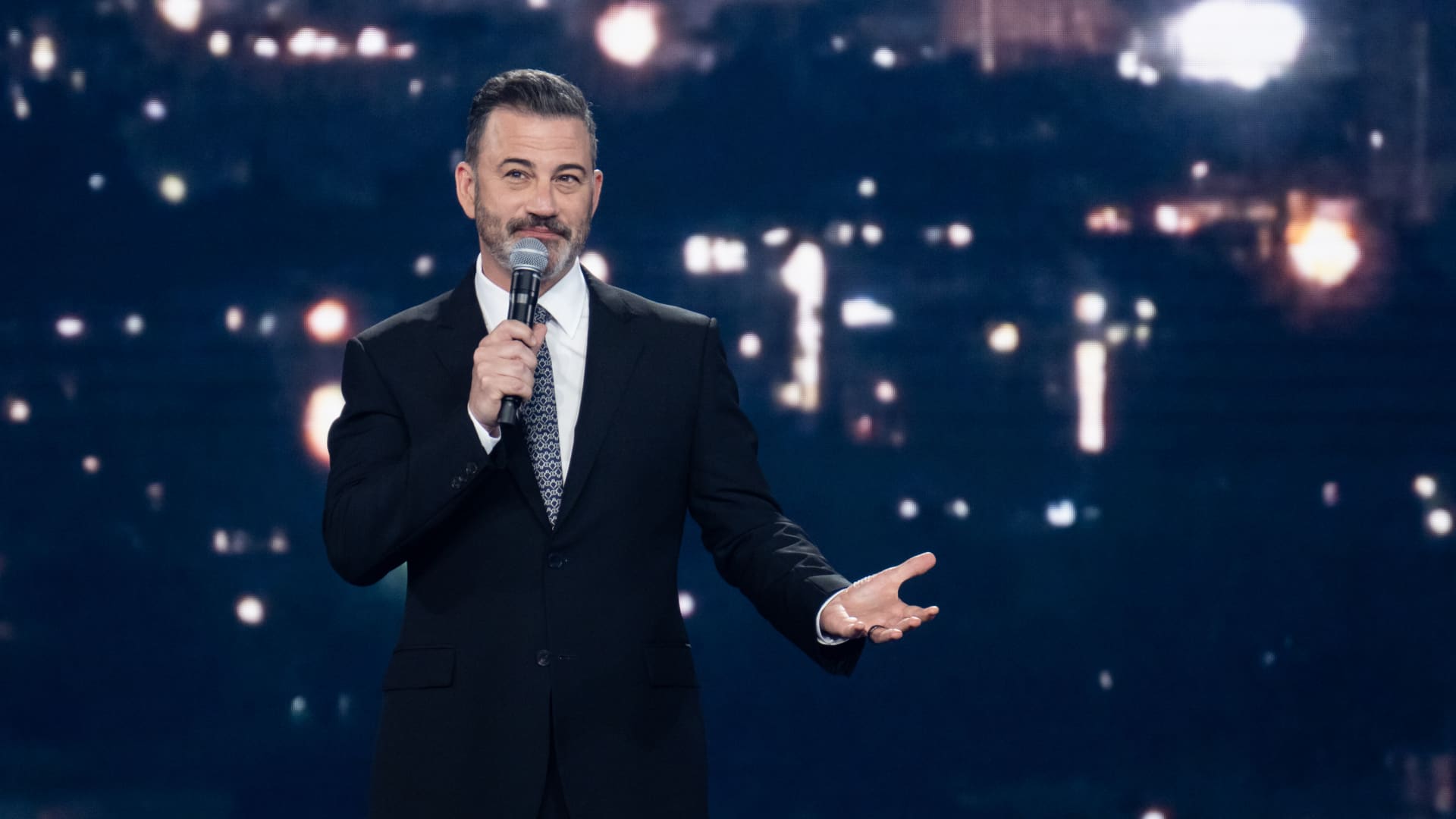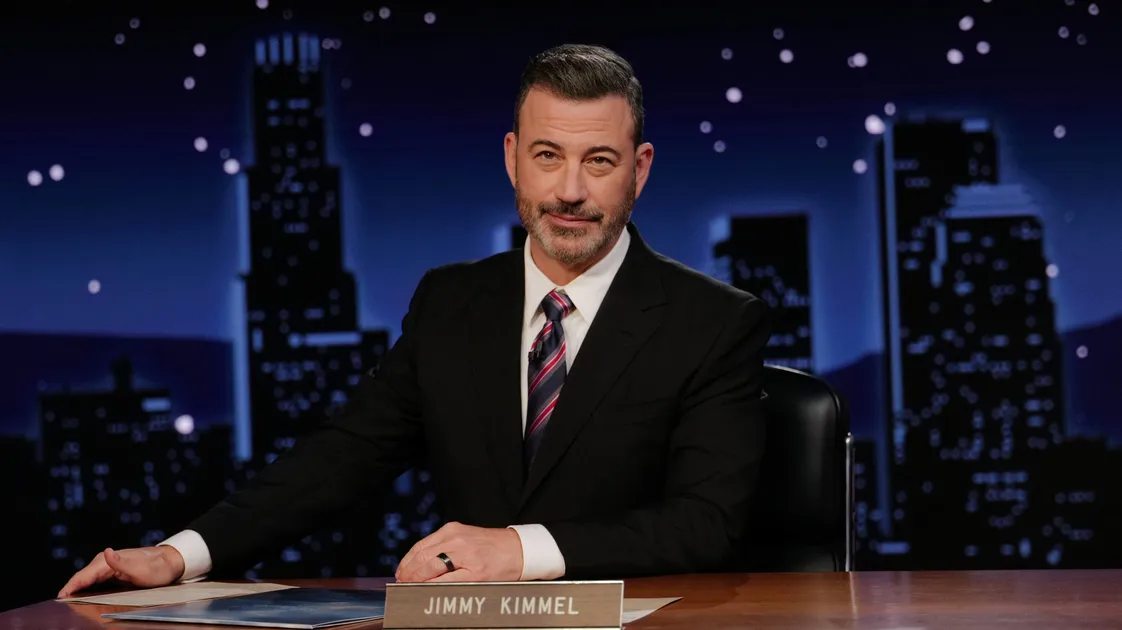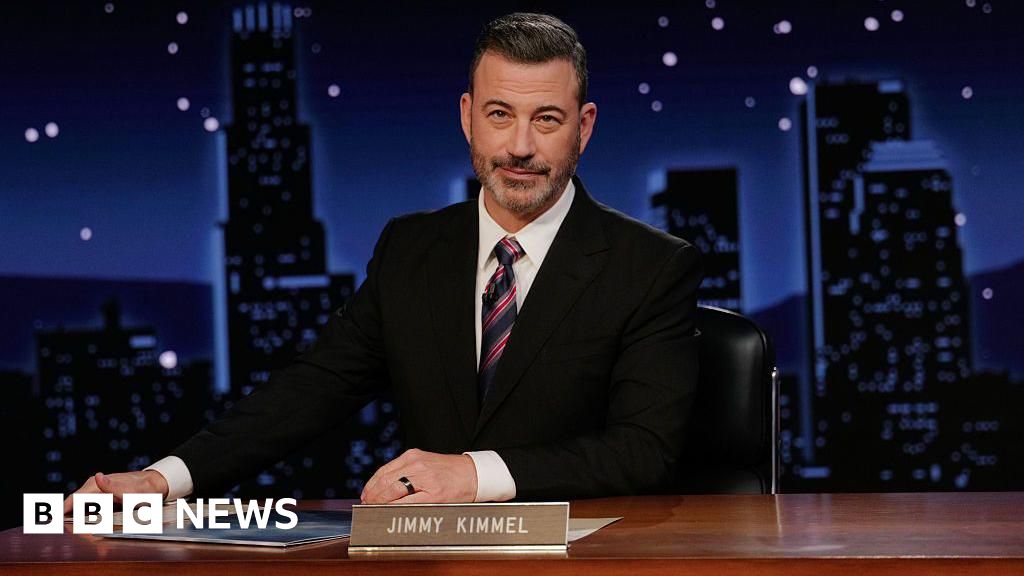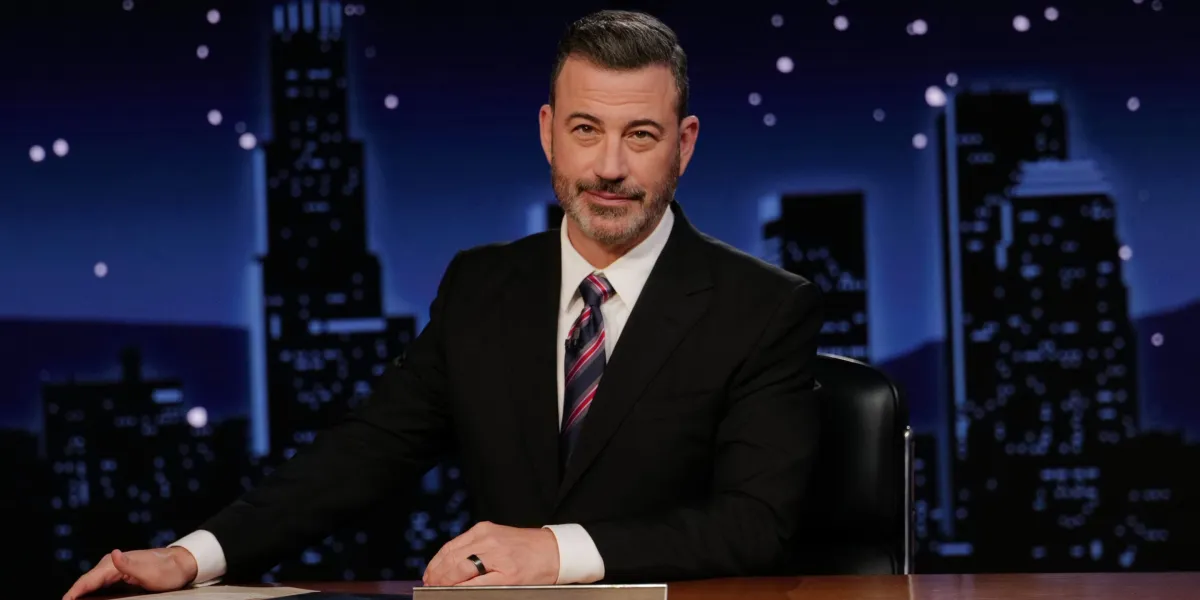
For the first time in more than two decades, millions of Americans were unable to tune in to Jimmy Kimmel Live on Tuesday. Even as the show returned to ABC after its dramatic hiatus, in dozens of American cities—from Des Moines to Dallas—the nation’s largest local affiliate chains, Nexstar and Sinclair, continued to keep his show off the air.
The broadcasters’ continued pre-empting of Kimmel’s show is the latest twist in a week-long saga sparked by one line in the comedian’s Sept. 15 monologue: “The MAGA gang [is] desperately trying to characterize this kid who murdered Charlie Kirk as anything other than one of them and doing everything they can to score political points from it.”
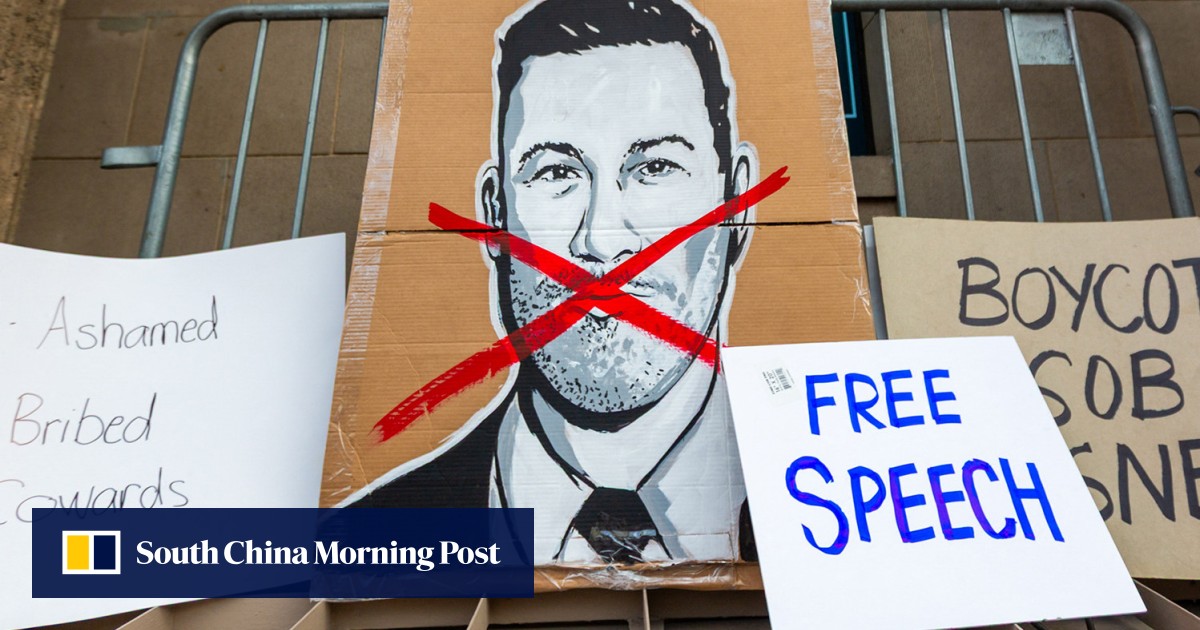
Politicians, corporations, and the public reacted loudly. On the right, his comment about the politicization of the assassination of Turning Point USA founder Charlie Kirk was proof of Hollywood’s disdain for the everyday Americans who were Kirk’s fans. On the left, his subsequent suspension by Disney-owned ABC—initially described as indefinite—was seen as evidence of Trump-era censorship and corporate cowardice.
But behind the outrage lies a thornier business dilemma—one that now ensnares the legacy of Disney CEO Bob Iger, broadcast television, and President Donald Trump’s impact on the media. Even after Kimmel returned to the air with a rousing and at times tearful monologue, the two largest local TV broadcasters stayed dark. Those affiliates represent largely conservative parts of the country, communities that largely supported pulling Kimmel. But liberals say the move has nothing to do with viewer preferences, arguing that corruption and antitrust horse-trading at the FCC are the real reason for the move. The reality is more complex than either explanation, according to insiders.