“My neighbors think I’m under house arrest,” observes Arjun Sethi. It’s not hard to see why. On the driveway of Sethi’s comfortable Menlo Park home, located a few miles from Stanford University, sits a black Cybertruck that rarely leaves. Meanwhile, various figures stream in and out of a wide open garage anchored by a table littered with electronics. Inside, there are no pictures on the walls and the domicile’s only personality is supplied by a large German shepherd patrolling the backyard.
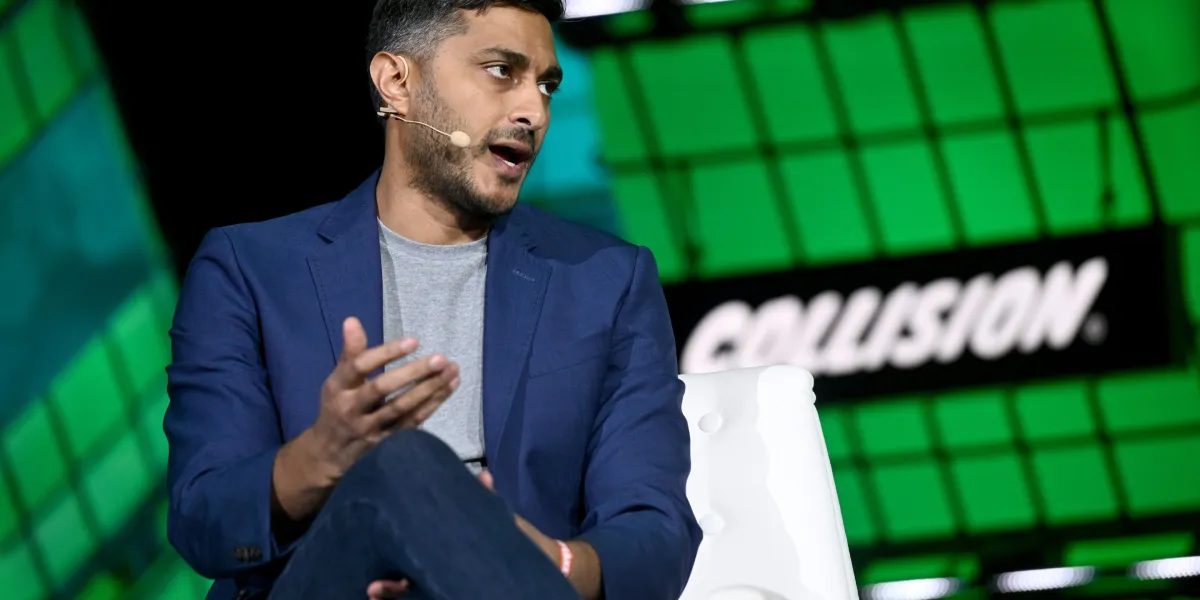
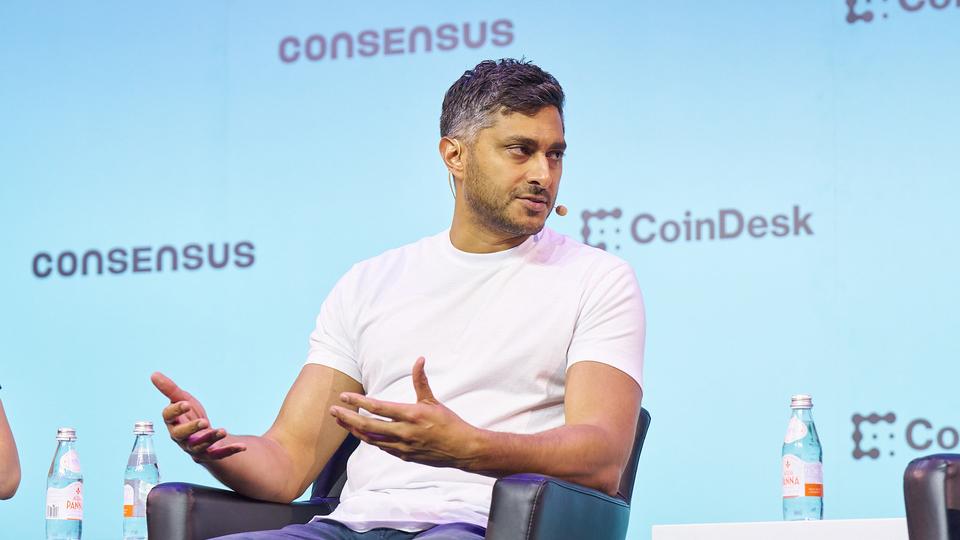
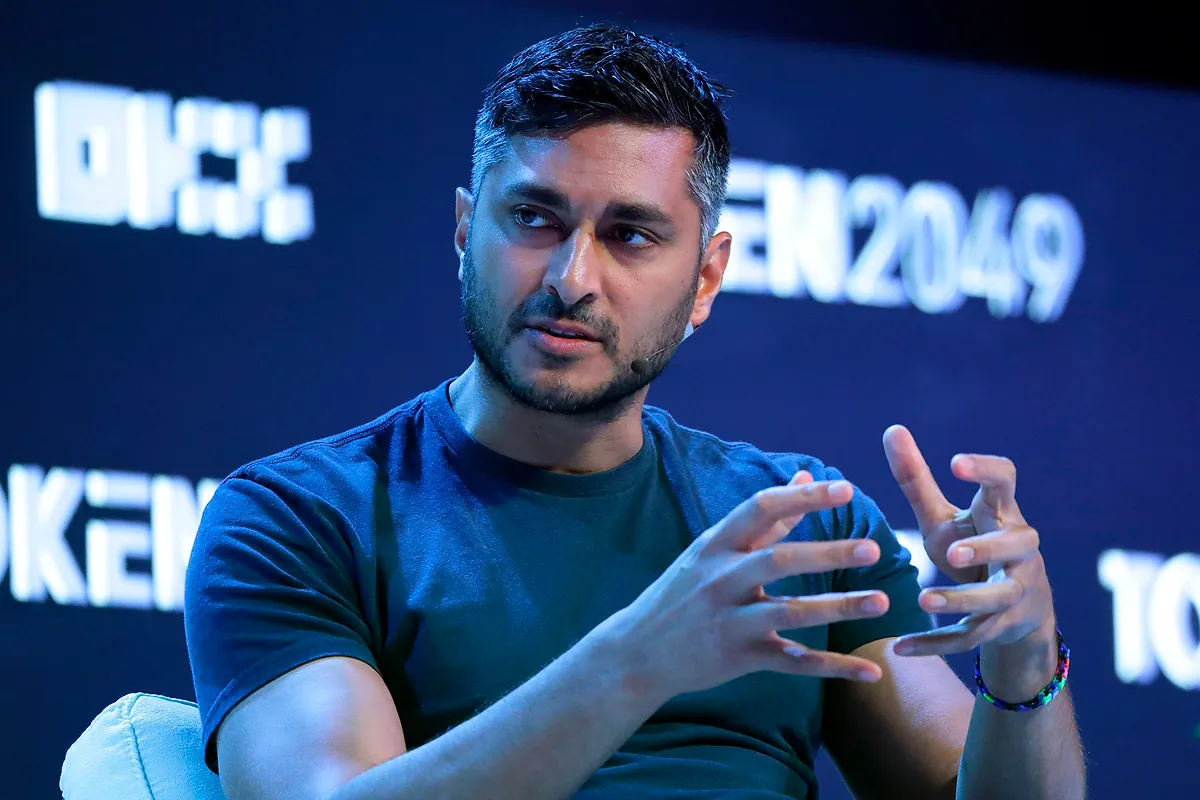
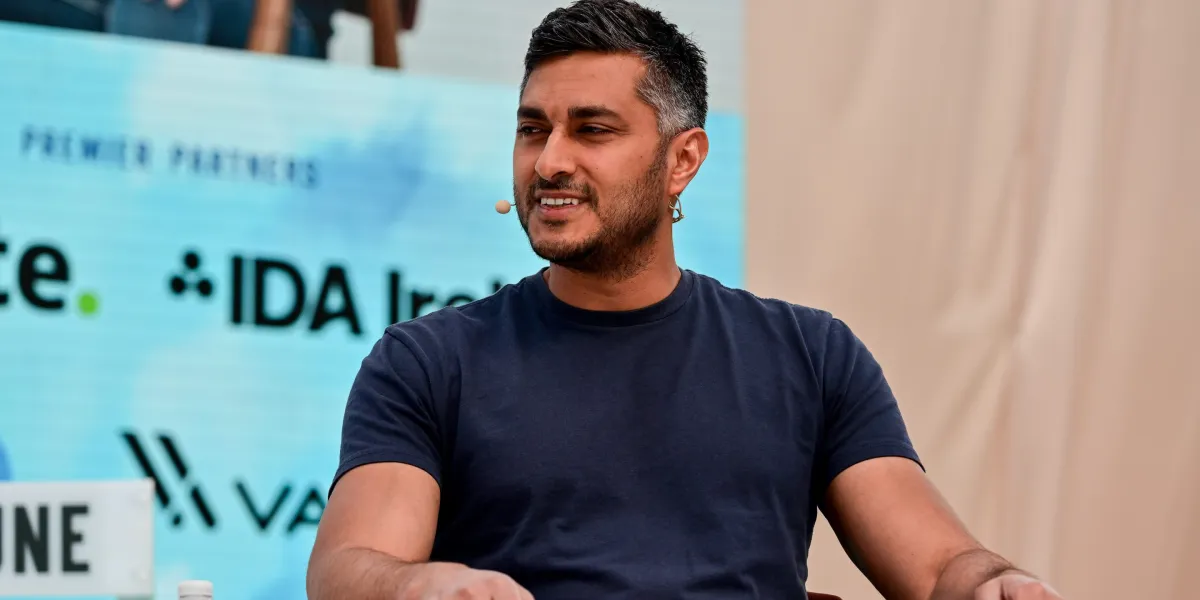
Sethi is no criminal, though, and the house is not just his home. It is also the prime outpost for Kraken, the longtime cryptocurrency exchange where Sethi, who draws few lines between his personal and professional life, is co-CEO. The gray-flecked 42-year-old, who favors plain T-shirts, may not be concerned about what his neighbors think of him. But he does have to care about the opinions of another group: Kraken’s investors, who are expecting big things in the near future.
Founded in 2011, Kraken has long flown under the radar compared with its bigger competitor Coinbase, but has always commanded the respect of traders and crypto veterans. In the past year, the company has reached for a bigger share of the spotlight with high-profile acquisitions and product launches ahead of an IPO planned for next year. All of this will test whether Kraken can meet the lofty $15 billion valuation that came with a new funding round it closed this month.