UZBEKISTAN: Uzbekistan launched its inaugural international art biennial this month. “Recipes for Broken Hearts” runs until Nov. 20 in Bukhara, and includes works from Saudi artists Ahmad Angawi and Dana Awartani. The theme is sustenance as healing — of both body and mind — connecting cultural memory, craft, community and art.
Local folklore goes that plov — the signature rice-and-meat medley — was created to mend the broken heart of an emir’s son who fell for a lowly craftsman’s daughter he was forbidden from marrying. To restore him, the court healer ordered rice, meat, carrots and onions to be simmered together in a large pot. From heartbreak was born plov, a dish nourishing both body and spirit and intended to be consumed communally, even if only one person is actually brokenhearted.
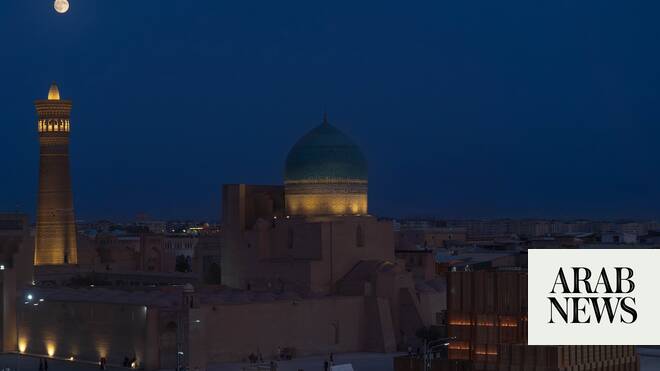
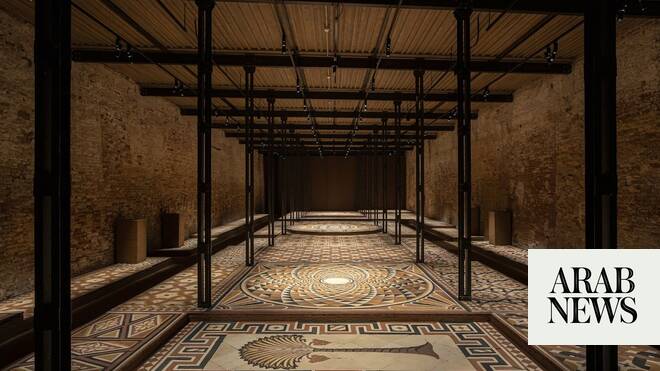
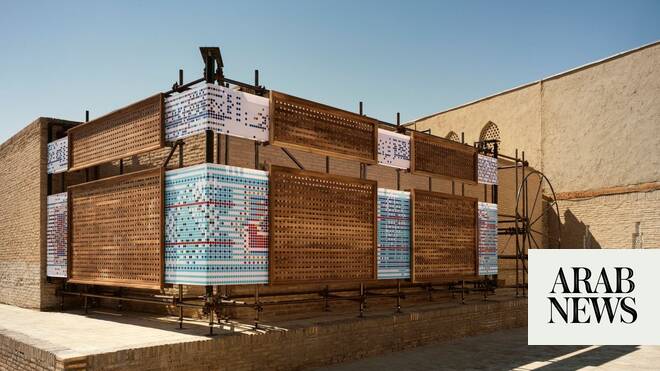
The city of Bukhara in Uzbekistan. (Photo by Felix Odell, courtesy of the Uzbekistan Art and Culture Development Foundation)
It’s a legend that has spread to Saudi Arabia, too. If you’re heartbroken in Jeddah, then “Bukhari rice” is said to cure you, highlighting the centuries-old culinary and cultural ties between the two cities.
“Bukhara is a city that has always captured the human imagination. For over two millennia, its streets, monuments, and stories have shaped — and been shaped by — the movement of people, ideas, and cultures,” said Gayane Umerova, chairperson of the Art and Culture Development Foundation (ACDF) of Uzbekistan, founded in 2017. “Choosing Bukhara as the host city for Uzbekistan’s first international art biennial was not a gesture of nostalgia, it was an act of conviction; a belief that this remarkable city could once again stand as a global center of creativity, dialogue and exchange.”