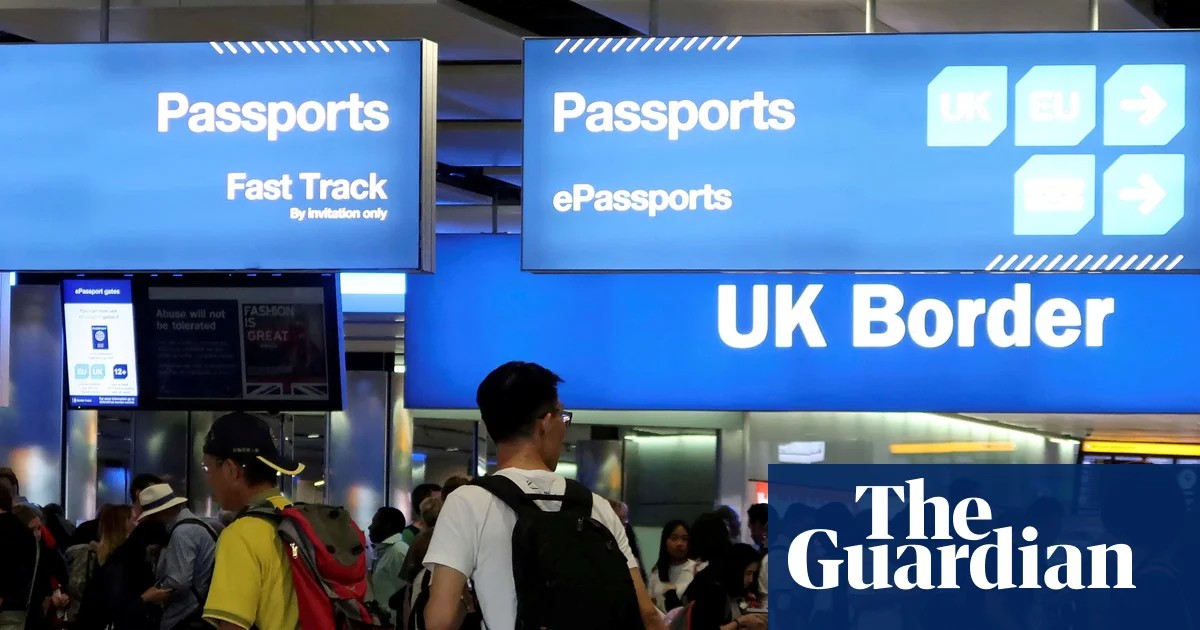
The first migrants have arrived from France under Labour's 'one in, one out' deal, the Home Office has confirmed.A family of three, including a small child, has come to Britain after successfully completing the online application process, a spokesman said.Further details about the arrivals, including their nationality, have not been disclosed by the Government.Four migrants have so far been sent back to France under the deal - one Indian national, one Eritrean, one Iranian and one Afghan. Since the treaty came into force on August 6, 6,752 small boat migrants have crossed the Channel and reached Britain.Labour claims the scheme will undermine people traffickers' tactics and 'smash the gangs' by persuading would-be migrants that crossing the Channel will be fruitless.A Home Office spokesman said: 'The UK-France deal is a historic agreement, and these are critical first steps. Migrants disembarking from a Border Force vessel at Dover on September 19, a day which saw 1,072 arrivals across the Channel in total
'This is a clear message to people-smuggling gangs that illegal entry into the UK will not be tolerated.'We will continue to detain and remove those who arrive by small boat.'And we will work with France to operate a legal route for an equal number of eligible migrants to come to the UK subject to security checks.'When the deal was initially floated in July there were suggestions it would see around 50 migrants a week sent back to France.But the launch of the scheme was beset with difficulties, including multiple legal challenges.Last week the policy was plunged into chaos as the High Court blocked ministers from returning an Eritrean small boat migrant back to France.The 25-year-old only arrived in Britain five weeks earlier, claimed he would be ‘destitute’ if the Home Office sent him back to France, breaching his human rights.However, it was the migrant’s modern slavery claim which proved crucial in persuading the court to block his removal.Mr Justice Sheldon granted an interim injunction barring the Home Office from deporting the man for 14 days while his claim to have been exploited - in Libya while on his way to the UK - was reconsidered.