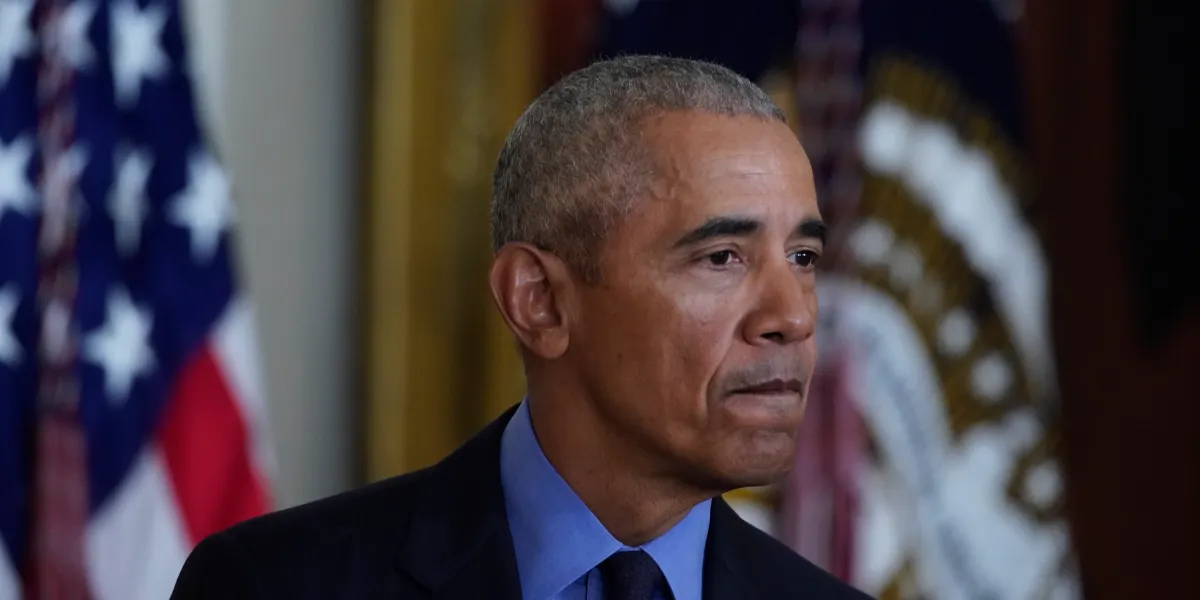
By Ashley LutzExecutive Director, Editorial GrowthDown Arrow Button IconBy Ashley LutzExecutive Director, Editorial GrowthDown Arrow Button IconSeptember 24, 2025, 10:38 AM ETFormer U.S. President Barack Obama during an event on the Affordable Care Act and lowering health care costs for families in the East Room of the White House in Washington, D.C., U.S., on Tuesday, April 5, 2022.Al Drago/Bloomberg via Getty ImagesObamacare premiums are poised to jump next year, driven by expiring federal subsidies and the highest proposed rate hikes since 2018, setting up a pocketbook shock for millions of marketplace enrollees, unless Congress intervenes. The core driver is the scheduled sunset of enhanced premium tax credits at year-end, which could lift out-of-pocket bills by roughly 75%, on average, for subsidized customers on top of insurers’ underlying rate increases for 2026, according to analyses cited by both The New York Times and Fortune.
What’s changing
Enhanced tax credits that have lowered Affordable Care Act (ACA) marketplace premiums since 2021 are set to expire at the end of this year unless lawmakers pass an extension, a development that could expose more than 20 million people to higher bills as open enrollment approaches.