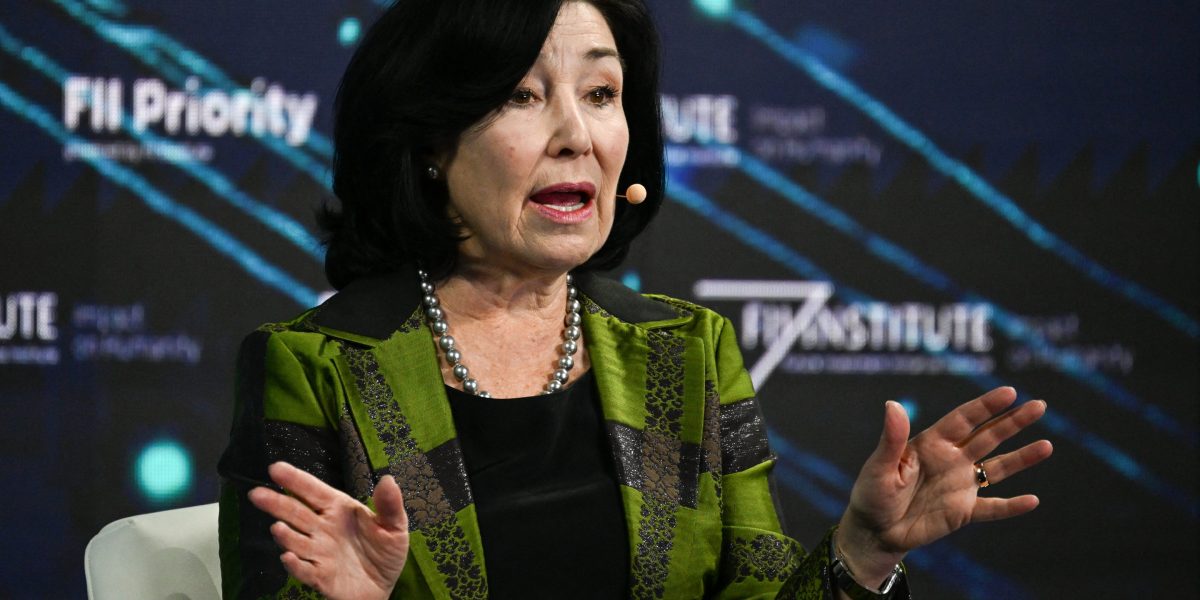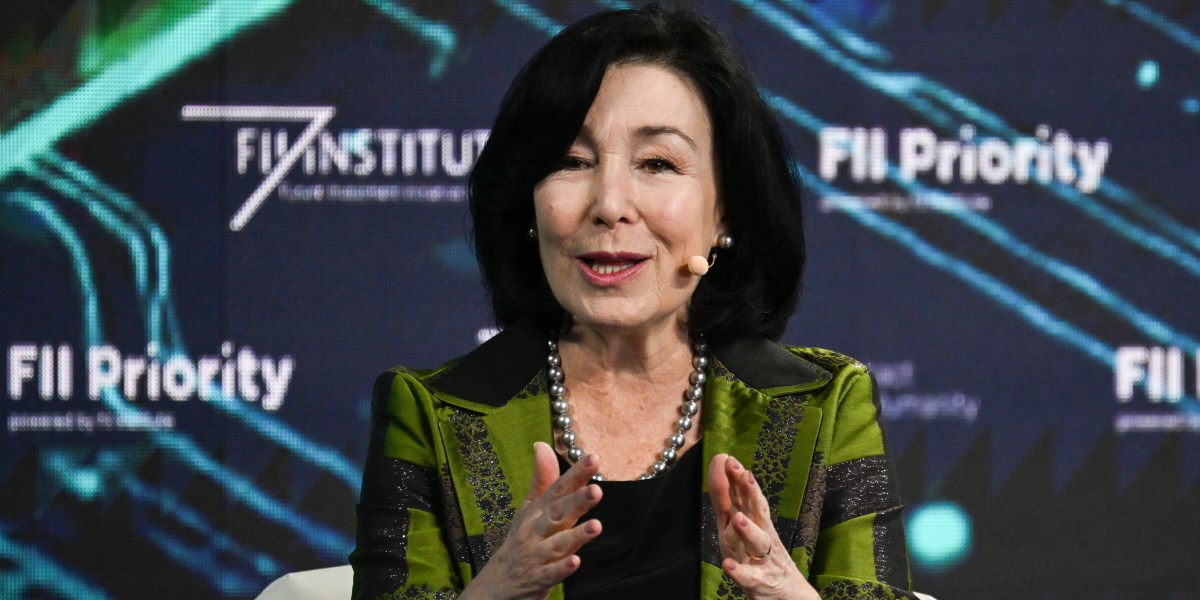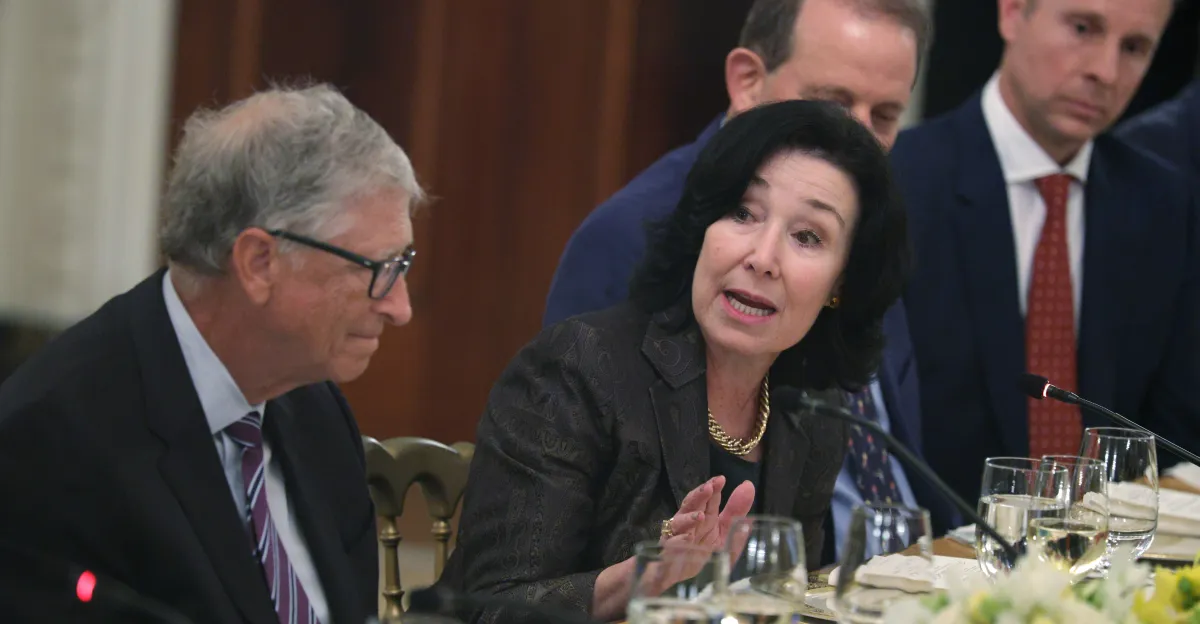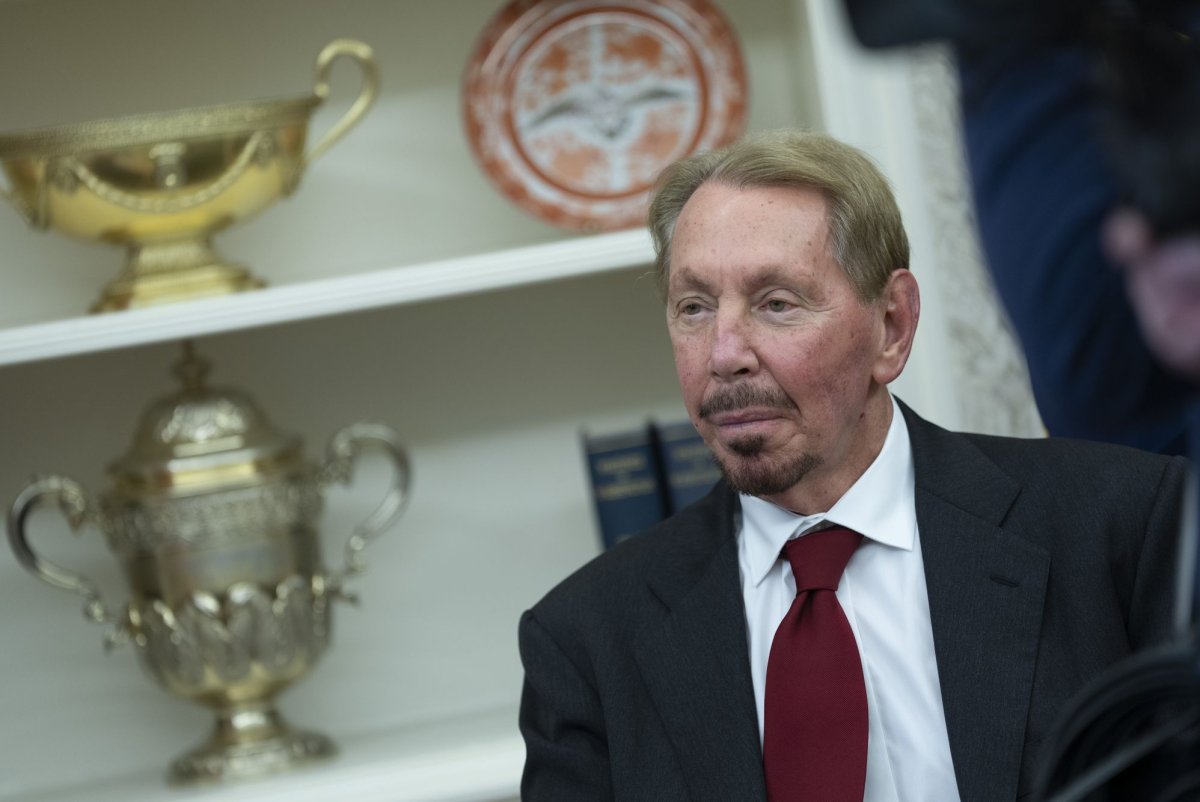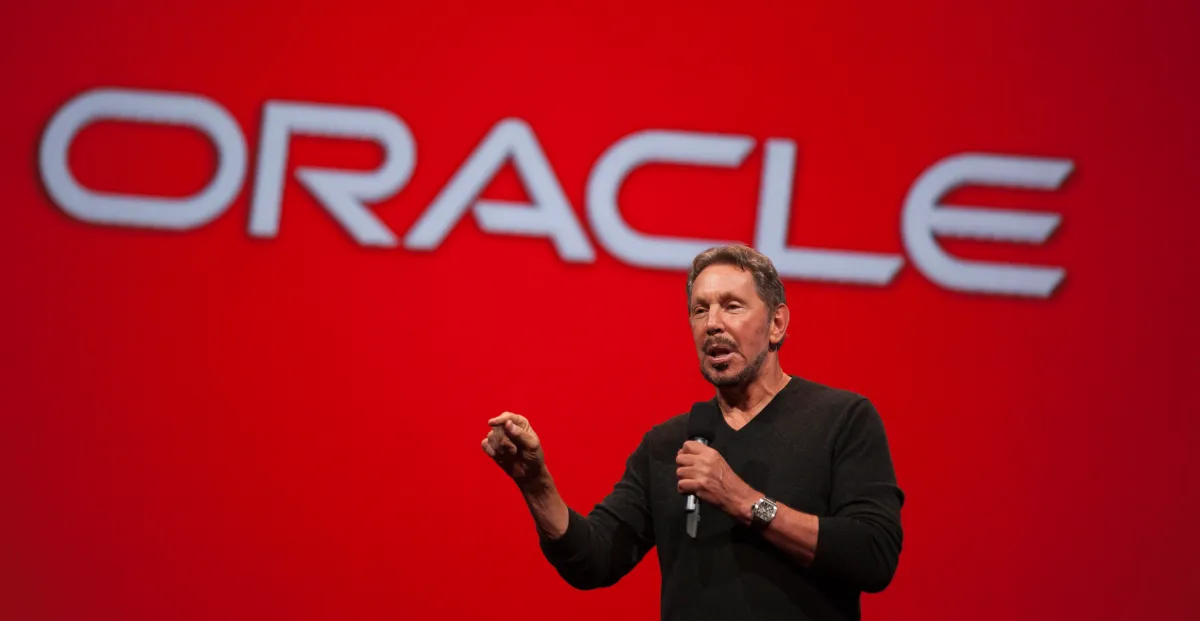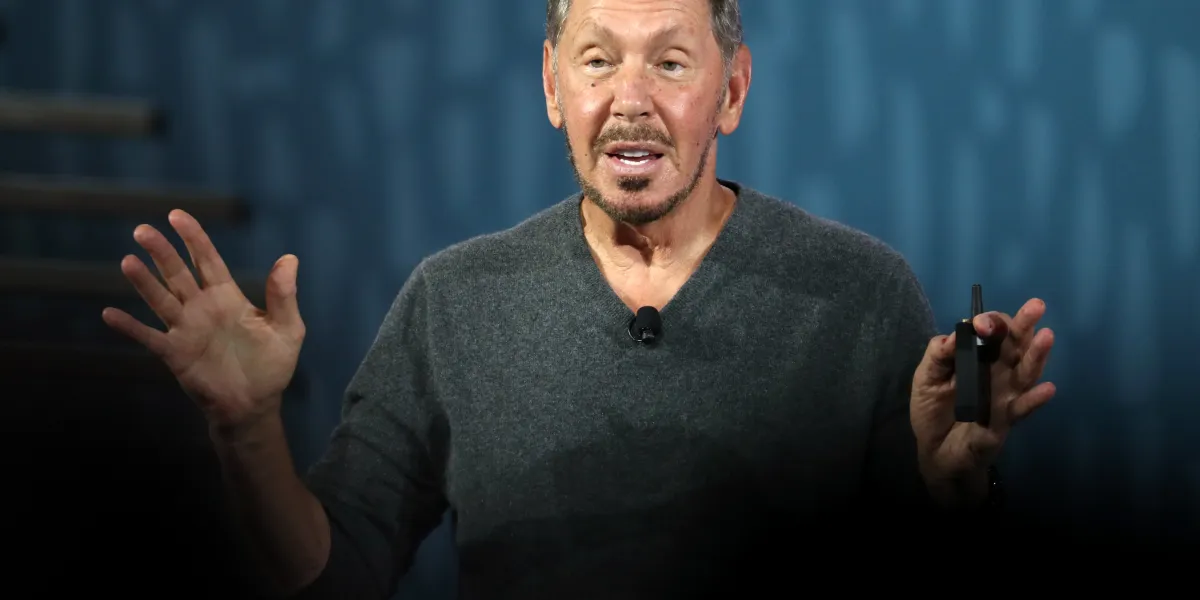
The question arises not just because Oracle recently announced that two executives are the company’s new CEOs, succeeding Safra Catz, who had been CEO or co-CEO for the past 11 years. Making the succession more intriguing, Catz has been elevated to the board of directors with a previously unheard-of title, while founder Larry Ellison continues as chairman of the board and chief technology officer, but with duties that are by no means transparent. Result: We know who Oracle’s CEOs are by title, but who they are in reality may be less obvious.
The stakes in Oracle’s unique succession experiment are extraordinarily high. The company’s stock has suddenly rocketed, doubling in the past four months, making Oracle the world’s 12th most valuable company. It’s a magnificent performance, but investors might like to know, especially now—who’s really running the show?
In the plain-vanilla version of managing a big corporation, it’s simple: The CEO runs the show, and the board oversees the CEO and overall management of the company. It doesn’t wade into day-by-day decisions. But at some companies, 11% of the Fortune 500, the board is led by an “executive chair” who is not the CEO but who participates in the company’s management while also running the board. Typically, the executive chair is the previous CEO, and the new CEO typically reports to that person. “When you’re executive chair, the buck stops with you,” says Charles Elson, a corporate governance expert who has served on multiple boards. “It’s a title change with little meaning. You’re still running the show, period.” Think of it this way: “executive chair” = “real CEO.”