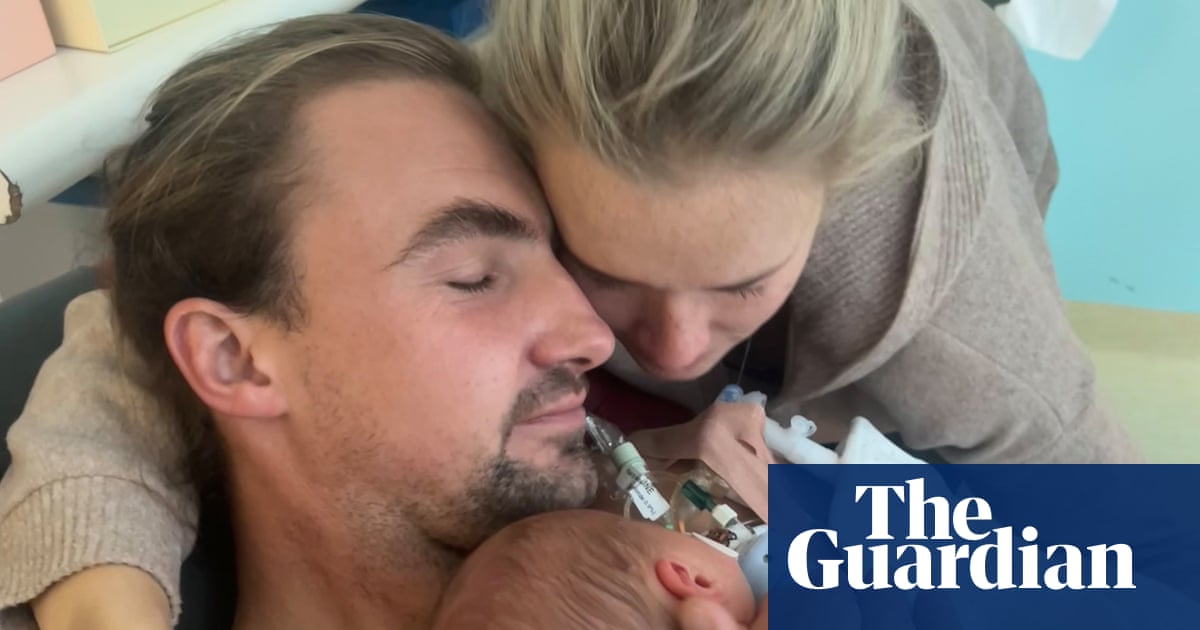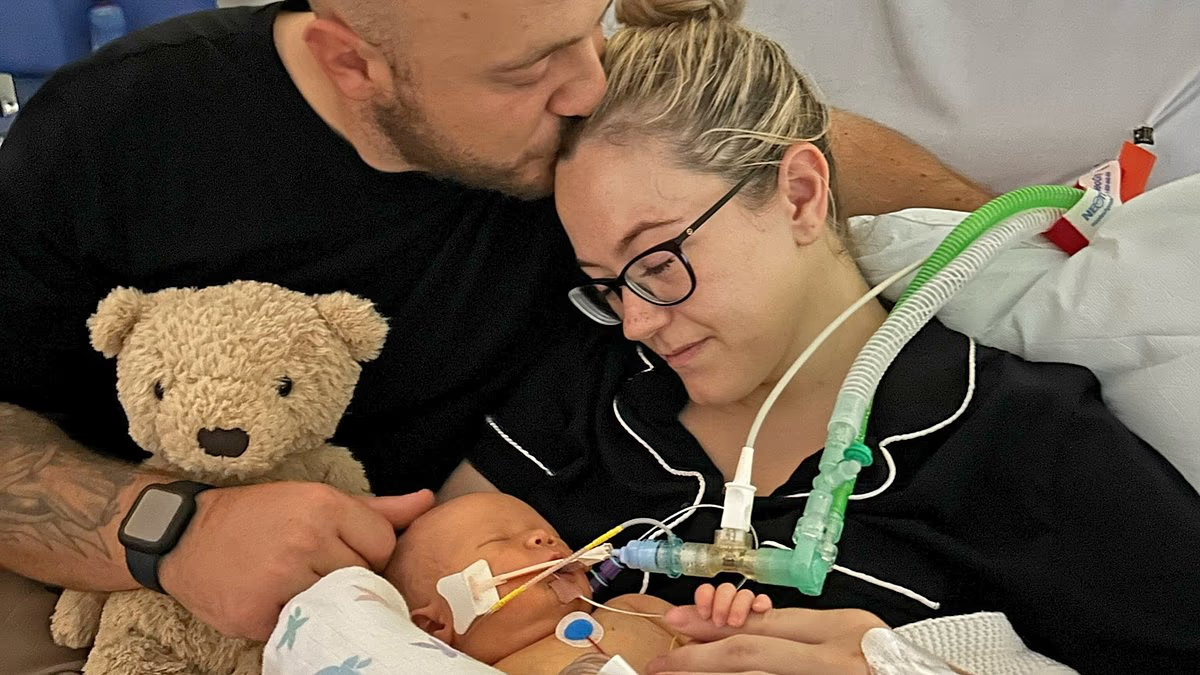
Pregnant women are not being warned of the potentially fatal risks of vaginal birth after C-section, a coroner has warned following the death of a newborn baby.Mabel Williams died at just six days old after suffering brain injuries caused by a lack of oxygen during birth. An inquest heard her mother Becky Williams experienced an undiagnosed uterine rupture after vaginal birth after cesarean, having not been warned about the 'most significant risks' of vaginal birth after cesarean (VBAC). Midwives also failed to recognise 'numerous indicators' of Mabel's distress, and of the increasing severity of her mother's clinical condition and convey them to the clinical team, the inquest was told. Mrs Williams, 34, and an office manager from Swindon, Wilts, had been warned that a VBAC could lead to uterine rupture or uterine scar rupture but was not informed of the fatal risks attached to them. Official guidance from the Royal College of Obstetricians and Gynaecologists [RCOG] does not warn prospective parents that VBACs could lead to fatal consequences for the mother or baby. During the birth, at Swindon's Great Western Hospital, Mrs Williams was also induced and synthetic oxytocin was used without informing her that this further increased the risk of rupture. Mabel died six days later on September 10, 2023. Mabel with her parents Tom and Becky Williams. She died at just six days old. Mabel's mother had been warned that a VBAC could lead to uterine rupture or uterine scar rupture but was not informed of the fatal risks attached to them. Coroner Robert Sowersby has now written a Prevention of Future Deaths report following Mabel's death in September 2023Coroner Robert Sowersby said neglect by the NHS led to the newborn's death.Mr Sowersby, coroner in Avon, has now called for a review of antenatal care and the advice given to pregnant women considering VBACs. Mr Sowersby said in particular a 2016 RCOG leaflet given to women is not up to scratch.The inquest heard that when Mrs Williams was advised about VBAC she was referred to internal guidance from the hospital and to the RCOG's information leaflet 'Birth options after previous caesarean section' published in July 2016. The information leaflet does not contain any indication that uterine rupture could potentially prove fatal for mother and baby.In a Prevention of Future Deaths report, Mr Sowersby said: 'My concern is that prospective parents may rely on this information leaflet to assist them in making informed choices about their birth options, and that if the risk is not identified, then other patients like Becky might pursue VBAC in circumstances where – if they had understood the risk better – they would have chosen otherwise.'He added: 'I heard evidence at one point from a member of trust staff that revised leaflets (which did contain a full explanation of uterine rupture) had been drafted but not signed off by the Trust for distribution to patients, much to the frustration of the maternity unit.'It was said that Mrs Williams, a mother of five, would have opted for a C-section if she was fully informed of the risks. She had previously given birth vaginally but later gave birth via C-section. The tragic but 'avoidable' death of Mabel Williams has exposed flaws in the official advice that is given to women who want to give birth vaginally after previously having a C-section, the coroner said In a statement, Mrs Williams and her husband, Mabel's father Tom Williams, said: 'We're grateful that the Coroner has issued Prevention of Future Deaths reports to both the Trust and the Royal College of Obstetricians and Gynaecologists following Mabel's inquest.'The findings confirm what we have always known, that Mabel's death was avoidable.'Nothing will bring our daughter back, but these reports must now lead to visible change. We expect a transparent action plan with deadlines, not just acknowledgments.'We will keep speaking Mabel's name and pushing for improvements so that no other family endures what we have.'Amy Milner, Senior Associate at CL Medilaw, who is representing Becky and Tom Williams, said: 'We welcome the Coroner's decision to write to the RCOG and Trust to raise concerns about the current guidance for patients on birth after caesarean, and in particular to draw their attention to the lack of advice that uterine rupture can prove fatal for mother and baby.'During the course of the inquest, and as highlighted by the Coroner in the PFD reports that he has now issued, it became clear that appropriate steps had not been taken to ensure Becky understood the significant implications a uterine rupture could have to both her and Mabel.'And that the information leaflets that clinicians had gone through with her or that she had been signposted to, did not explain that uterine rupture can prove fatal for mother and baby, or describe what a uterine rupture was and the consequences of this.'Uterine rupture can cause serious problems for both mother and baby. For the baby, it can lead to distress from lack of oxygen, and in the worst cases, brain damage, stillbirth or death after birth.'Unfortunately, we have seen this occur in other cases we have dealt with. This is why it is so important that mothers who either opt for or are advised to have a VBAC are properly advised about the risks and that labour is carefully managed to reduce the risk of uterine rupture.'The tragic case of Mabel shows exactly why communication about VBAC delivery risks and following safety protocols are absolutely vital for protecting both mothers and babies.'We therefore hope that the Trust and RCOG make changes to the information and guidance they are providing to both clinicians and families about VBACs and uterine ruptures to save further lives being lost, unnecessarily.' A spokesperson for Great Western Hospitals NHS Foundation Trust today said: 'We are truly sorry that Mabel and her mother were not given the level of personalised, compassionate, and safe care that was needed, and for the family's distress and grief.'Mabel's death and her mother's care have been reviewed by the Trust and independently by the Maternity and Newborn Investigations Team from the Health Safety Investigation Branch.'We have spoken with and listened carefully to Mabel's parents and have assured them that we have taken their concerns seriously, have learnt lessons, and have acted on everything they have said to us.'We are also acting on the recommendations made by the Coroner at the inquest, including ensuring that women using our service have access to more detailed guidance surrounding vaginal births after caesarean, to support them to make informed decisions about their birth choices.'The loss of Mabel was devastating to her family and deeply touched everyone involved in her care. Our thoughts remain with Mabel's family during this incredibly difficult time.'
Mothers 'not warned of risks of natural birth after C-section'
Mabel Williams died at just six days old after suffering brain injuries caused by a lack of oxygen during birth. Her mother Becky Williams was not warned about the most serious risks, an inquest heard.
1,117 words~5 min read